
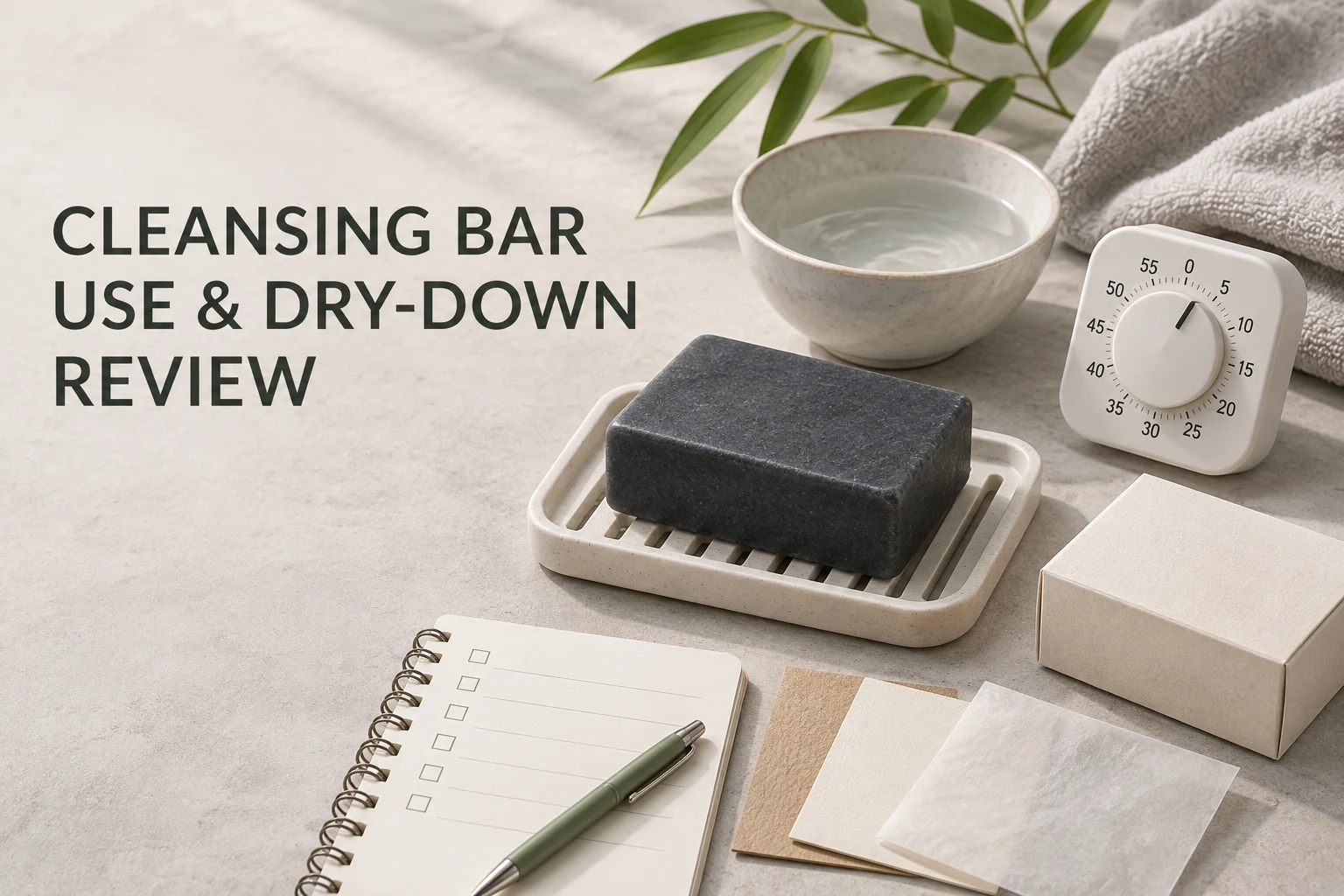
In this guide
A private-label buyer should evaluate a bamboo charcoal hair cleansing bar as one use-and-recovery system: identify the exact sample, standardize wetting and application, record rinse observations, then follow the bar through drainage, dry-down and storage. The current page confirms the hair cleansing bar format, but not ingredients, weight, directions, performance, fragrance or packaging. Those details must remain confirmation points rather than assumptions.
LANTHOME presents Bamboo Charcoal Hair Cleansing Bar, reference 1601635322527 in the Shampoo collection. The page lists a hair cleansing bar format and Private Label / OEM / ODM customization, states that a model is not specified, and asks buyers to review the selected sample, current ingredient information, application instructions and packaging before confirming the specification.
The useful buyer question is not whether a dark bar looks attractive in a catalog image. It is whether an identified bar, its directions and its proposed package work together through repeated wet use and post-use recovery. A controlled record helps the team separate formula observations from handling, storage and component decisions without turning an internal sample review into an efficacy claim.
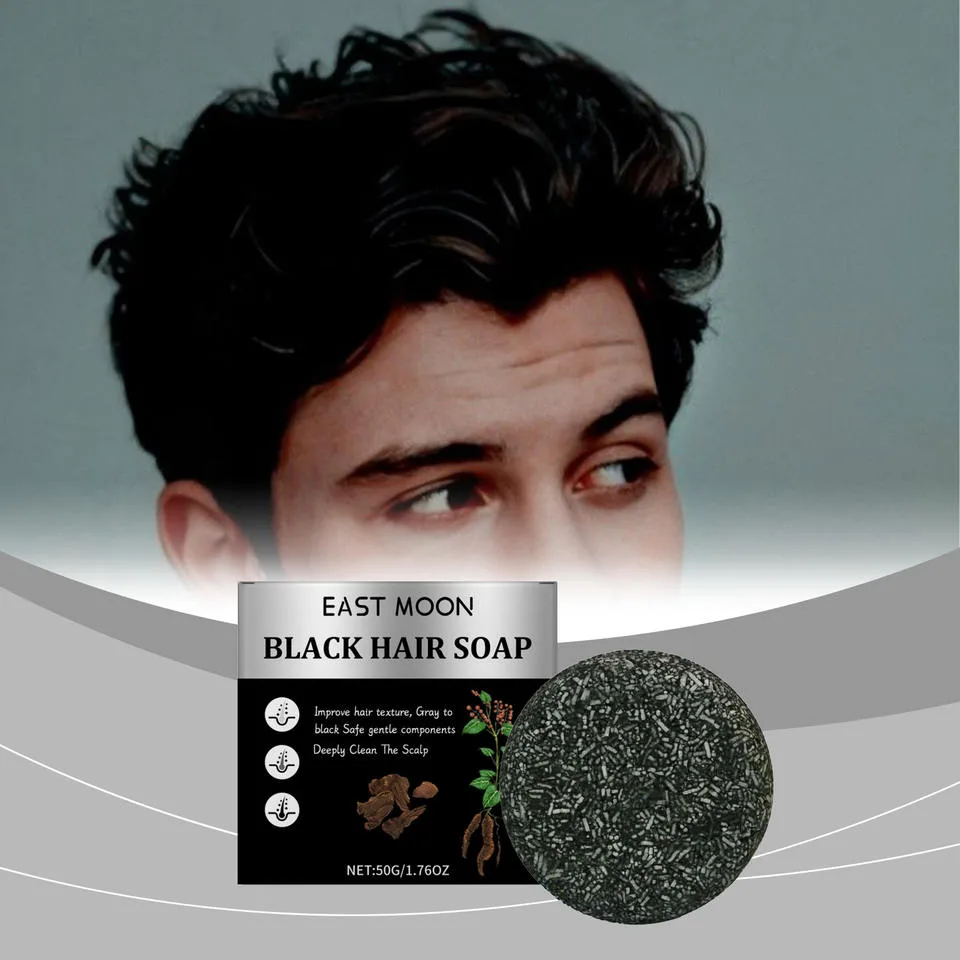
Product Facts and Confirmation Points
- Catalog identity: Bamboo Charcoal Hair Cleansing Bar, reference 1601635322527.
- Category: The current page places the product in Shampoo.
- Model: The page states that a model is not specified.
- Format: Hair cleansing bar.
- Customization: Private Label / OEM / ODM is listed.
- Formula gap: Complete INCI, formula revision, colorant information and current specifications are not published.
- Size gap: Bar weight, dimensions, tolerances and unit count require confirmation.
- Use gap: Wetting, application, amount, rinse, frequency, warnings, storage and dry-down directions require confirmation.
- Evidence gap: Cleansing, lather, rinse, durability, breakage and other performance results are not established by the page.
- Package gap: Wrap, carton, tray, reusable container, materials, ventilation, dimensions and compatibility require confirmation.
- Commercial gap: MOQ, price, capacity and lead time require a current quotation for the approved configuration.
Treat the first five rows as catalog-stated. Treat every other field as pending until current project documents identify the same sample and revision. The word “charcoal” in the product name does not establish the complete ingredient declaration, percentage, origin or finished-product benefit.
Which First-Round Review Route Fits the Project?
Both routes below are general evaluation plans, not confirmed supplier services or package options. Compare them with the same dimensions: purpose, sample condition, use method, recovery observation and decision output.
Route A: Whole-Bar Routine Review
- Purpose: Observe the identified bar through the intended wet-use, rinse and post-use storage sequence.
- Sample condition: Use one intact, coded bar with its received weight and dimensions recorded.
- Use method: Follow supplier-confirmed directions and a fixed water, handling and application record.
- Recovery observation: Track drainage, surface condition, shape, cracking or softness at defined checkpoints.
- Decision output: Decide whether the sample and proposed directions proceed, need revision or require more evidence.
This route keeps the customer-like handling sequence visible. It is appropriate when the team wants to understand how the intact format behaves within the proposed routine. It does not by itself establish a use count, shelf life, transport result or superiority over liquid shampoo.
Route B: Controlled Screening With Matched Portions
- Purpose: Compare coded formula revisions or handling conditions while limiting variation in starting mass or exposed area.
- Sample condition: Use portions prepared and identified under an agreed internal method, only if the supplier confirms that cutting is appropriate for evaluation.
- Use method: Hold water, contact, movement and rinse conditions constant across samples.
- Recovery observation: Compare visible surface change and dry-down under the same drainage and storage setup.
- Decision output: Select revisions for a later whole-bar routine and package review.
This route can improve early comparison, but a cut portion is not the final customer unit. Cutting may change edges, exposed area and wear behavior. Results must be labeled as screening observations, then confirmed with intact bars and proposed packaging.
How to Build the Use-and-Dry-Down Record
1. Lock the sample identity
Record reference 1601635322527, supplier sample code, formula revision, received date, lot or batch identifier when provided, received package and evaluator. Because no model is published, do not invent one. Photograph the bar and label as received.
Measure only the fields relevant to the internal protocol, such as starting mass and dimensions, and identify the instrument used. These measurements describe the sample; they do not establish a commercial tolerance until the supplier confirms a specification.
2. Request the complete formula and directions
Ask for the current complete INCI, specifications, directions, warnings and storage guidance tied to the sample. Do not infer bamboo charcoal content, grade, percentage or function from the name or dark appearance. A catalog name is not a formula document.
Clarify whether the intended method is direct application to wet hair, hand-generated lather or another confirmed approach. Record the requested water temperature, wetting time, contact method, rinse guidance and post-use storage. If directions are missing, pause conclusions about the experience.
3. Define the wash context
Write down hair length or test substrate, water context, pre-wetting, product application method, duration, mechanical action and rinse endpoint. Keep these conditions consistent when comparing coded samples. If the project targets several routines, create separate rows rather than blending observations.
The page does not publish claims about hair types, scalp concerns or water conditions. Treat those as project questions. Do not generalize a limited internal review to every user or market.
4. Record application and bar handling separately
During use, record grip, edge comfort, pickup, visible lather behavior, placement control and whether the bar is easy to return to its holder. Keep formula observations separate from the ergonomics of size and shape.
A bar can feel difficult to handle because of dimensions, surface, wetness or storage design. The record should identify which variable is suspected and what next sample or component change would test it. Avoid describing one observation as a universal product fault.
5. Document rinse observations without making claims
Use descriptive fields such as time to the defined rinse endpoint, visible residue on the test setup, perceived drag under the agreed method and ease of removing product from hands or tools. Record deviations in water or amount.
These observations can support sample comparison, but they do not independently prove cleansing power, gentleness, detoxification or suitability for a named condition. Any proposed public wording requires separate substantiation and market review.
6. Standardize drainage immediately after use
Record when the bar leaves the water, whether excess water is shaken or allowed to drip, the tray or holder design, contact points, airflow and room conditions. Photograph from the same angle at the same checkpoints when imagery is useful.
Do not leave one sample on a solid wet surface and another on a ventilated tray, then attribute the difference only to formula. Drainage and contact surface are part of the use system and must be controlled or deliberately compared.
7. Observe dry-down and surface recovery
At defined times, record visible water, tackiness, softness, surface texture, cracking, edge wear, deformation, sticking to the holder and whether the bar can be handled without damage. Use descriptive language tied to the protocol.
The review does not establish a fixed dry time for all bathrooms or climates. Temperature, humidity, airflow, holder design and residual water affect recovery. If a customer instruction depends on dry-down, confirm the wording under relevant conditions.
8. Connect the bar to packaging decisions
List the proposed primary wrap, carton, tray or reusable container as separate candidates only after the supplier confirms what is available. For each, record the question it must resolve: protection before use, handling after use, ventilation, label area, transport or storage.
Pre-use packaging and post-use storage may be different systems. A retail carton may protect an unused bar but may not be the recommended wet-storage solution. Do not imply that a pictured box, tray or tin is included without confirmation.
9. Repeat across several use cycles
If the project includes repeated use, preserve the same protocol and record the bar after each defined cycle. Track mass or dimensions only when the method and instruments are appropriate. Note chips, cracks or missed observations rather than smoothing the record.
Repeated internal cycles can reveal questions for formula, shape, directions or storage, but they do not prove a marketed use count. A use-count claim would require a defined method, relevant samples, evidence and exact wording review.
10. Reconcile formula, directions, package and artwork
Before approval, confirm that the product name, reference, formula revision, complete INCI, bar specification, directions, warnings, storage instruction, package and proposed claims describe one configuration. Check that artwork space supports the required information.
Set reopening triggers: formula change, bar weight or dimension change, fragrance or color change, new direction, holder or package change, new target market, or new claim. A prior sample decision should not silently follow a changed configuration.
Separate Bar-Format Guidance From Product Claims
General bar-format guidance can suggest useful evaluation questions: keep samples identified, control water and handling, observe recovery and confirm storage. It cannot prove a benefit of this specific product. The product page does not publish a full ingredient list or finished-product performance evidence.
The Private Label Shampoo Bar first-purchase guide helps organize customer information for a different bar reference. The Castor Conditioner Bar use, rinse and storage brief concerns a conditioner bar, so its formula, directions and results cannot be transferred. Use these guides for record design, not as evidence for this cleansing bar.
Hypothetical Buyer Review
Consider a hypothetical buyer who wets one unlabeled bar, leaves it in a closed dish and finds it soft the next morning. Another bar is used with less water and dried on an open rack. The buyer declares the second formula more durable and adds “long-lasting charcoal detox bar” to artwork.
The buyer should pause. Sample identities, directions, water conditions, starting sizes and storage setups do not match, and the proposed wording is unsupported. The team repeats an identified comparison with controlled use and recovery fields, then reviews claims separately. This is a planning example, not an actual customer case or test result.
Buyer FAQ
Does the product name confirm bamboo charcoal content?
No. The page names the product Bamboo Charcoal Hair Cleansing Bar, but it does not publish a complete INCI or percentage. Request the current ingredient declaration and formula revision. Do not infer ingredient grade, origin, concentration or benefit from the name or color.
What bar weight is available?
The current page does not publish weight or dimensions. Ask for the current specification and identified samples. Record measured sample values as observations, not commercial tolerances, until the supplier confirms the approved unit specification.
Can one wash approve the formula and package?
One controlled use can identify questions, but it does not cover repeated wet use, dry-down, storage or package compatibility. Plan the evidence depth around the intended configuration and claims, and keep formula approval separate from package approval.
Should a wet bar be stored in its retail carton?
Do not assume so. Ask for the confirmed post-use storage direction and package design. Retail protection before first use and wet storage after use solve different problems. Any reusable holder or tray must be confirmed as part of the project.
Does a dry-down observation prove a use-count claim?
No. It documents only the defined sample and conditions. A marketed use count needs a controlled method, relevant sample set, acceptance rules and wording review. Water, amount, handling, hair context and storage can change consumption.
What to Send in Your Inquiry
- Product reference 1601635322527 and the Bamboo Charcoal Hair Cleansing Bar identity.
- Target country, channel, audience and intended wash routine.
- Request for sample code, formula revision, complete INCI, specifications, directions, warnings and storage guidance.
- Desired bar weight, dimensions and shape, or a request for current confirmed options.
- Planned whole-bar or controlled-screening route and evaluation conditions.
- Water, application, rinse, drainage, dry-down and repeated-use record requirements.
- Requested wrap, carton, holder or secondary packaging, clearly marked as questions until confirmed.
- Proposed customer instructions and claims that require evidence and market review.
- Request for current MOQ, pricing, sample costs and timing tied to the confirmed configuration.
Send the brief through the LANTHOME contact form or use the sample request form for an identified sample. Review How It Works before selecting a development pathway.
Related Links
- Bamboo Charcoal Hair Cleansing Bar - Review the exact catalog reference and current confirmation points.
- Shampoo Collection - Compare wash formats without transferring formula or performance facts.
- Private Label Shampoo Bar: Plan First-Purchase Information - Review customer-information questions for another shampoo bar.
- Private Label Castor Conditioner Bar: Define Use, Rinse and Storage - Compare record controls for a different solid format.
- How It Works - Review private-label, semi-custom and custom pathways.
- Request Haircare Samples - Request identified bar samples and current documentation.
- Contact LANTHOME - Send formula, directions, packaging and commercial questions.