
In this guide
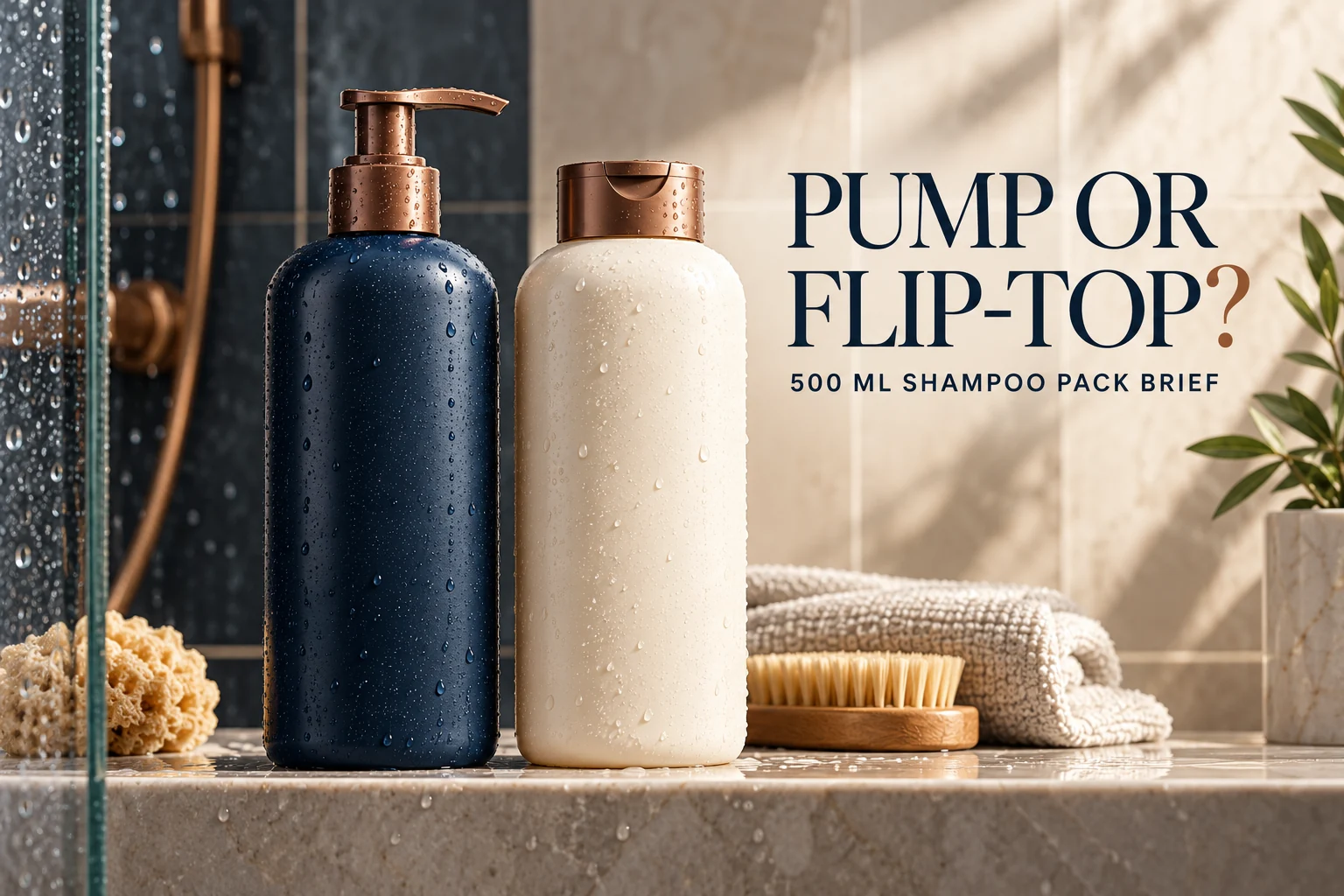
Choose a pump or flip-top for a proposed 500ml shampoo by the dispensing task, wet-hand handling, closure control, label area and sample evidence your brand can support. The catalog size and shampoo format do not confirm either closure. Compare only documented component proposals with the same identified formula and fill target.
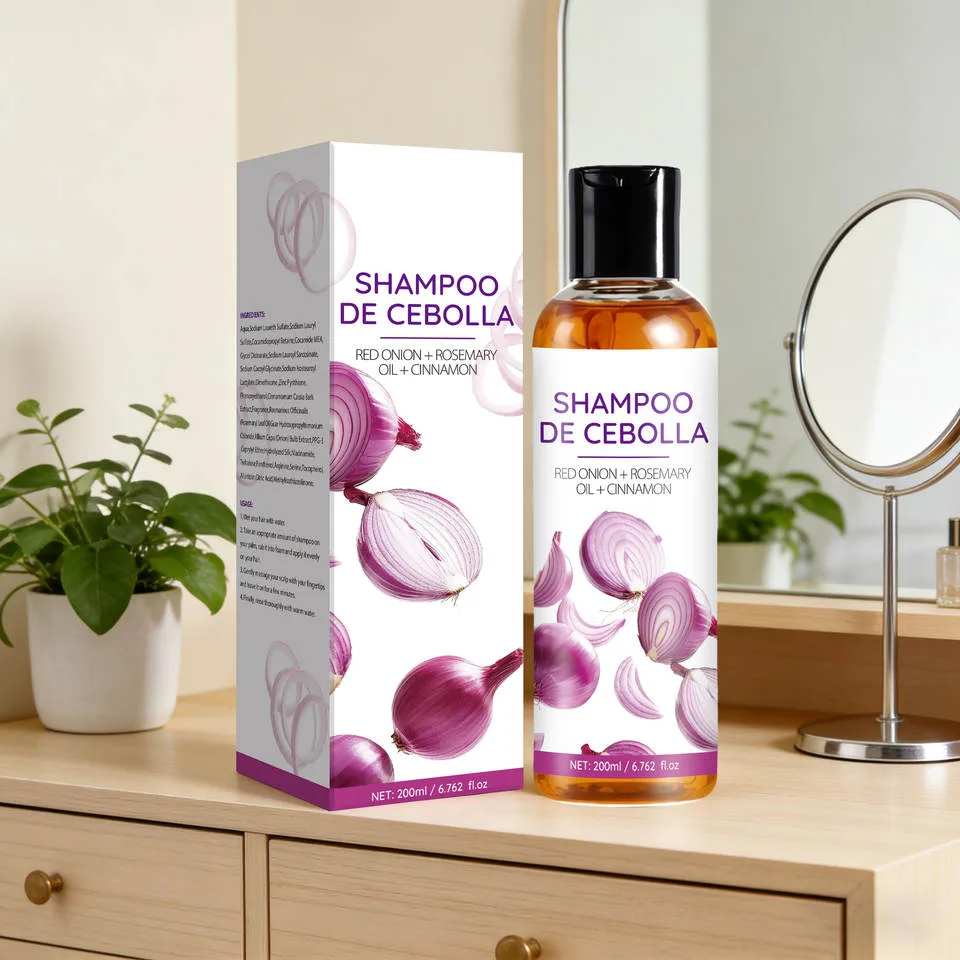
LANTHOME lists Onion Shampoo — 500ml, reference 1601844932081, model FP-B107-win, as a Shampoo reference available for Private Label / OEM / ODM enquiries. The live page asks buyers to review the selected sample, current ingredient information, application instructions and packaging, and also prompts comparison of washing routine, rinse experience, fragrance, format and bottle or bar presentation. It also directs buyers to confirm the current specification, ingredient list, packaging, quantities and timing. The page does not publish a full INCI list, net weight, final directions, measured results or commercial terms.
This guide treats closure selection as a package-system decision. It does not assume that a pump and flip-top proposal use the same bottle, formula revision, output or compatibility evidence. It gives procurement and brand teams a practical way to request comparable information, observe each sample fairly and prepare an inquiry that can lead to a clear go, revise or hold decision.
Product Facts and Confirmation Points
- **Catalog identity:** The page identifies Onion Shampoo — 500ml, reference 1601844932081, model FP-B107-win. Put both identifiers on the request, sample label and feedback sheet.
- **Format:** The catalog states Shampoo. It does not publish the final fill size, package component or whether a matched bar version is available.
- **Project scope:** The page accepts Private Label / OEM / ODM enquiries and asks buyers to discuss formula, packaging and branding requirements. Confirm which development pathway applies to the proposed project.
- **Routine inputs:** The page asks buyers to compare the washing routine, rinse experience, fragrance, format and presentation. These are briefing prompts, not confirmed directions or results.
- **Packaging input:** Packaging format is a stated discussion point. The displayed product image is a catalog reference and does not establish the final primary or secondary pack.
- **Formula gap:** “Onion” is part of the product name. The page does not publish the complete ingredient list, ingredient identity, origin, percentage or substantiation for an ingredient-related claim.
- **Commercial gap:** MOQ, price, capacity and lead time are not published. Request current terms for the chosen formula, pack, artwork and quantity rather than copying assumptions from another project.
Keep three records separate. The catalog record identifies what you found. The project specification defines the sample actually supplied. The approval record states what the brand accepted for production. If the model, formula version, package or directions change, the feedback and approval must point to the new revision.
Which Closure Route Fits the 500ml Project?
Compare the closure routes on the same use, artwork and evidence questions while allowing different dispensing mechanics.
Option 1: Pump Bottle Route
- **Routine position:** Confirm the wash sequence, dispensing task, bottle orientation and handling with wet hands. Do not infer pump behavior from appearance.
- **Handling and amount:** Ask for the proposed pump, bottle neck and output information. Reviewers should record complete strokes and observed dispensing rather than inventing a universal dose.
- **Package interaction:** Review lock, overcap or transit controls, bottle stability and label orientation. The actual component proposal must define storage and transport handling.
- **Information burden:** The label and support content should explain operation when the pump locks, opens or dispenses in a particular orientation. Clear directions and product identification remain part of the decision.
- **Evidence needed:** Request the current specification, complete ingredient list, confirmed directions, package proposal and support for every intended claim. Sample preference alone cannot prove performance or shelf life.
A pump route can be considered when the brand needs one-hand dispensing and is ready to evaluate the complete pump-and-bottle system. The decision should follow the exact sample and documents, not a general belief that every pump has the same environmental, travel or longevity characteristics.
Option 2: Flip-Top Bottle Route
- **Routine position:** Use the same identified shampoo proposal with a separately documented flip-top component. Confirm the wash sequence, bottle orientation and squeeze interaction.
- **Handling and amount:** Review opening, inversion, squeeze and closure return with the proposed bottle. Record the amount method used rather than assuming output from appearance.
- **Package interaction:** Evaluate hinge or cap operation, orifice, squeeze force, amount control, wet-hand handling, label area and storage for the confirmed component.
- **Information burden:** The flip-top may look familiar, but the brand still needs explicit directions, warnings and product-specific support. Familiarity does not replace approved information.
- **Evidence needed:** Request the formula or sample identifier and complete flip-top component proposal, including applicable compatibility evidence, directions and claim support. Do not treat appearance as package-system equivalence.
The flip-top route may suit a project that prioritizes a simple closure and controlled squeeze interaction. That is a portfolio decision, not proof that the formula will be easier to approve. Packaging compatibility, directions and evidence still require project review.
Build a Package Decision Before Sampling
1. Define the customer task
Write one sentence describing the routine problem the product should address without promising an outcome. Include the intended user context, application stage and what the shopper needs to understand at first use. “Define a 500ml shampoo pack for wet-hand dispensing” is more useful for briefing than “launch an innovative onion solution.” The first statement can be checked against directions and packaging; the second mixes positioning with an unsupported claim.
Also decide whether the brand is replacing an existing SKU, adding a second package route or testing a new category. A replacement requires continuity questions. A range extension requires a distinct role. A new category requires more instruction and support planning. This context prevents the sample team from selecting a favorite closure without answering the commercial purpose.
2. Request two traceable proposals
Ask whether FP-B107-win can be evaluated in the intended 500ml bottle system. Request two traceable closure proposals—pump and flip-top—only if both are available. Use the Private Label Dry Shampoo first-use guide as a separate example of how directions and package interaction should be documented; it does not establish equivalence for this product.
For each proposal, record model, sample or formula revision, package component, directions version and document date. A comparison labelled only “pump versus flip-top” is too weak for approval because the contents, routine and pack can change independently. Traceability lets procurement return to the exact proposal when feedback or artwork questions arise.
3. Separate non-negotiables from preferences
Non-negotiables are conditions the project must meet before subjective review: target market, confirmed routine, required documentation, package constraints, artwork language and the brand's evidence rules. Preferences include fragrance direction, visual style, hand feel and presentation choices that remain open for discussion. Do not promote a preference into a technical claim.
This separation also improves supplier communication. If an available sample conflicts with a mandatory routine or target-market information requirement, place it on hold before running a large internal review. If it meets the mandatory brief but differs from a preference, record the difference and ask whether revision is possible.
4. Design closure-appropriate use records
Give reviewers the approved directions for each exact sample. Record starting hair condition in practical, non-medical terms, application area, amount method, sequence, water context where relevant, package handling and observations. Use the same feedback categories when they make sense, but do not force identical application steps.
For a pump, the record might note unlocking, priming, strokes and bottle stability. For a flip-top, it might note opening, inversion, squeeze control and closure return. These are observations about a sample system. They are not validated consumer claims, compatibility results or proof of production consistency.
5. Review product and package as one proposal
The formula cannot be approved in isolation if the intended package changes use. Confirm the actual primary pack, secondary pack if any, labeling area and any component that contacts or stores the product. Ask which elements are samples, stock references or final proposals. Images help discussion, but only the documented proposal should enter the approval record.
For the pump route, include priming, lock or overcap handling and bottle stability. For the flip-top route, include hinge operation, inversion, squeeze control and label readability. Do not state that one format uses less packaging or travels better unless the actual pack configuration and support are available for that claim.
6. Build the information architecture
Draft a hierarchy before final artwork: product identity, what the format is, confirmed directions, storage wording, warnings, ingredient declaration and required market information. Then add supported brand positioning. The pump may need visible unlocking or priming guidance. The flip-top still needs clear opening, dispensing and closure directions and must not hide important information behind assumed familiarity.
Use consistent wording across the primary pack, carton or wrap, product page, FAQ and customer support script. If directions or storage instructions change during development, update all affected surfaces and record the revision. A strong launch brief reduces contradictions between packaging and digital content.
7. Audit claims against available evidence
List every phrase proposed for the name, front panel, product page and sales material. Mark whether it is catalog identity, an approved specification fact, a supported claim or an open marketing idea. “Shampoo” and the cataloged 500ml size are identity facts. Statements about dose accuracy, leakage, compatibility, durability, cleansing performance or ingredient benefits need current applicable support before use.
If the evidence package is not ready, remove or hold the claim rather than converting a sample observation into proof. Ask what documentation can be supplied for the exact formula and package. Target-market review may also be required before artwork approval; this guide does not establish regulatory compliance.
8. Make a go, revise or hold decision
Use a short decision record. “Go” means the selected package route and revision meet the defined brief and required information is available for the next stage. “Revise” names a specific change, such as directions clarity, package component or artwork hierarchy, and identifies the new evidence needed. “Hold” records the unresolved dependency without implying rejection of the whole category.
Avoid selecting a closure through a vote with no rationale. Summarize the customer task, approved sample identifier, package proposal, information requirements, claim boundaries and remaining commercial questions. That record gives sourcing, design and sales teams one reference when requesting quotation or preparing the next sample round.
Worked Briefing Example
Consider a hypothetical brand deciding how to package a proposed 500ml shampoo. The team first states the task: test a clearly instructed 500ml package system for a defined wash and rinse routine. It asks whether FP-B107-win is available for that route and requests the current specification, ingredient list, directions and package proposal. It asks for separately identified pump and flip-top component proposals for the same defined project.
The reviewers receive different handling sheets because the dispensing mechanics differ. They record clarity of directions, package handling, application method and observations without assigning unsupported scores. The design team drafts information hierarchies for both routes. Procurement requests current quantity, price and timing options only after the proposal is defined. The team chooses “revise” for any proposal with unclear storage wording and “hold” for any intended claim without applicable support.
This example is a planning method, not an actual customer case or test result. Its value is the sequence: define the task, identify the exact proposals, collect documents, observe consistently, resolve information gaps and then discuss commercial terms.
Frequently Asked Questions
Does a pump automatically dispense a controlled dose?
No. Output depends on the actual pump, formula, bottle and test conditions. The catalog does not identify a pump or publish output data. Request the complete component proposal and applicable compatibility or dispensing evidence, then record observed strokes without turning them into an unverified dose claim.
Does “Onion” confirm the ingredient list or percentage?
No. It is part of the catalog product name, but the page does not publish the complete INCI list, ingredient identity, origin or percentage. Ask for current project documentation and review proposed ingredient wording against that evidence. Do not infer composition or benefits from the title or product imagery.
Should pump and flip-top samples use the same evaluation method?
Use the same decision criteria but format-specific handling steps. Record pump strokes or flip-top squeeze method, bottle orientation and any deviation. The goal is traceable package feedback, not a forced one-to-one dose claim.
What package details should be confirmed for a 500ml shampoo?
Confirm bottle resin and geometry as applicable, closure or pump reference, neck finish, label area, first-use and transit controls, secondary pack and storage information. Ask which displayed items are references and which enter the quotation. Do not assume the catalog image is the final pack.
Can the buyer approve claims after a favorable sample review?
A favorable internal observation can guide development, but it is not automatically claim substantiation. List the intended claims and request applicable support for the exact formula, directions and package. Keep reviewer notes separate from approved artwork and public copy. Resolve target-market and documentation requirements before final approval.
What to Send in Your Inquiry
- **Product reference:** Onion Shampoo — 500ml, reference 1601844932081, model FP-B107-win.
- **Project role:** Replacement, range extension or new category, with the customer task stated in one sentence.
- **Routine request:** Intended wash and rinse routine plus the dispensing task, subject to confirmation for the exact proposal.
- **Comparison request:** Two separately identified closure proposals only if a pump-versus-flip-top comparison is needed.
- **Market and channel:** Target country or region, intended audience context and sales channel.
- **Package brief:** Desired primary and secondary format, label area needs and questions about use or storage.
- **Documents and claims:** Current specification, complete ingredient list, confirmed directions, warnings and support requested for intended claims.
- **Commercial questions:** Customization pathway, artwork inputs, quantity options, current pricing and timing for the defined proposal.
Send the traceable brief through the LANTHOME contact form or organize a controlled request through the sample form. Ask for current answers tied to the selected model, formula revision and package rather than general assurances about the category.
Related Links
- Onion Shampoo — 500ml · FP-B107-win- Review the exact shampoo reference used in this format brief.
- Shampoo Collection- Compare other shampoo references without assuming formula or package equivalence.
- Biotin Shampoo · FAI-ATYX0040- Compare another shampoo catalog reference without assuming package equivalence.
- Private Label Dry Shampoo: Build a First-Use Brief- Review how directions and first-use information support a different shampoo format.
- How It Works- Review private label, semi-custom and custom project pathways.
- Request Haircare Samples- Organize a traceable sample request around one decision.
- Contact LANTHOME- Send model, market, package and documentation questions.