
In this guide
- Define the offer before naming the collection
- Build the component list around identities and quantities
- Confirm each product rather than approving a shared name
- Treat tools or accessories as separately identified items
- Separate individual packages from the outer kit pack
- Make the artwork hierarchy match the component record
- Request a kit sample that answers a defined question
- Agree how substitutions and revisions will be handled
- Prepare a retailer sheet from the agreed configuration
- Send a focused supplier brief
- Frequently asked questions
- Related Links
A private label beard grooming kit needs a clear definition of the offer before it needs a finished presentation. A photograph can introduce a collection concept, but purchasing teams still need to know which components are included, how each is identified and which specification applies to each item. Start with a component list that the brand and supplier can review together. Keep unconfirmed ideas separate from the version being offered for approval.
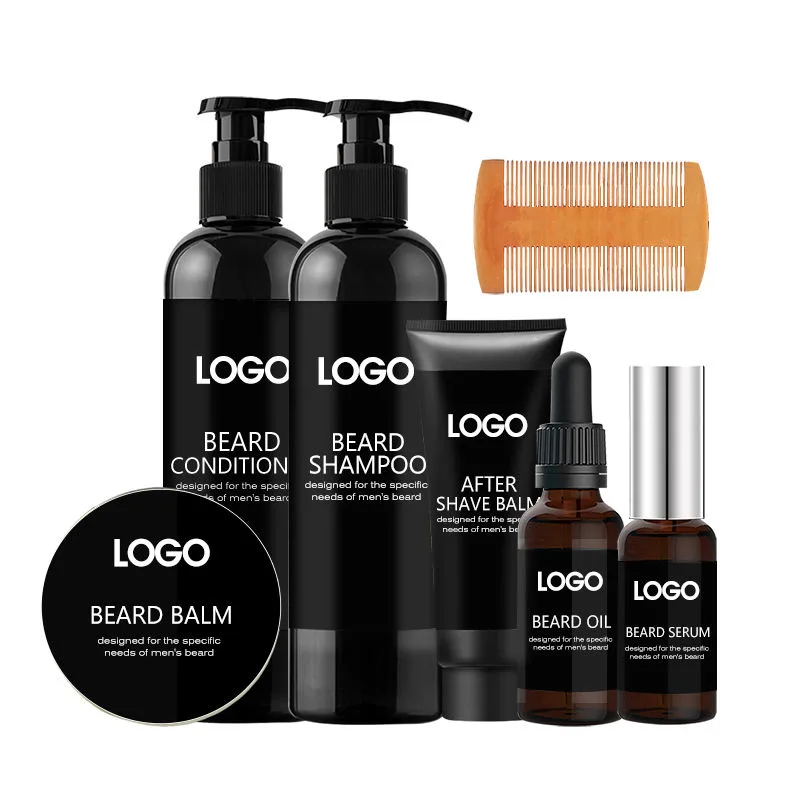
LANTHOME lists Beard Grooming Kit, model ZY108-ying20221213, as a reference in its Beard Care collection. The product reference is 1600704323520. The current page identifies a beard grooming kit format and invites Private Label / OEM / ODM discussions. It asks buyers to review the selected sample, current ingredient information, application instructions and packaging before confirming a project specification.
The page also invites buyers to specify the steps their grooming collection should include and compare application, fragrance and packaging preferences. It does not establish a final component count, individual formulas, fill quantities or approved retail configuration for your project. This guide explains how to turn that starting reference into an understandable kit brief without treating a catalog image as a confirmed bill of materials.
Define the offer before naming the collection
Write a short description of the kit your brand wants to discuss. Identify the intended audience, sales channel and proposed role in the range. For example, the brand may want to explore a coordinated grooming introduction or a collection for a particular retail setting. Those are planning directions, rather than confirmed properties or available configurations of the catalog reference.
Then distinguish the proposed kit from the individual items the brand may also want to sell. Ask whether the project discussion concerns a complete retail set, separately supplied components or several possible arrangements. The public page does not settle those commercial details. A shared understanding at the start prevents the design team from presenting a complete set while purchasing is still discussing individual references.
Keep the working collection name separate from the product identifiers. A creative name can help the brand develop a visual direction, but it cannot tell the supplier which sample or package is under review. Use Beard Grooming Kit, ZY108-ying20221213 and 1600704323520 together in the first enquiry, then ask how each offered component will be identified.
State what remains a proposal
If the brand wants optional items or alternative presentations, mark them as requests for discussion. Do not include them in a confirmed contents statement before the supplier has reviewed the scope. The presence of a component in a photograph does not establish that it is included in every offered project version.
Use a simple status alongside each idea: proposed, awaiting information, under review or approved for the agreed scope. These labels describe the project's decisions. They do not replace supplier confirmation of availability, specifications or commercial terms.
Build the component list around identities and quantities
A useful component list answers two basic questions: what is the item, and how many of that item belong in the proposed retail unit? Ask the supplier to confirm both for the offered version. Avoid estimating component counts from a photograph or assuming that a display arrangement describes how the products will be supplied.
Give each proposed component a distinct row and connect it to a supplier-confirmed identifier. If the supplier uses a separate code for a sample, formula or package revision, record that relationship. A short generic name may be convenient in a design mockup, but it is not sufficient to distinguish several versions under discussion.
| Component-list field | Question for the project | Information to record |
|---|---|---|
| Component identity | Which exact item is being offered? | Supplier identifier and agreed description |
| Quantity in the kit | How many units belong in one proposed retail set? | Confirmed count for the agreed configuration |
| Product specification | Which current version applies? | Relevant formula or item specification reference |
| Individual packaging | How is this component presented? | Confirmed container, closure or other applicable package details |
| Label or artwork | Which file describes this item? | Approved wording and file revision |
| Kit position | How is the item identified within the overall offer? | Link to the agreed contents statement |
| Status | What still needs an answer? | Open question and next confirmation needed |
The table is a planning tool, not a statement that a particular component or package is available. Leave unanswered cells visible and use them to guide the supplier conversation. A partially completed list with clear questions is safer to work from than a polished mockup that quietly fills missing facts with assumptions.
Keep optional components outside the confirmed total
If the brand is comparing configurations, create a separate proposed list for each version. Do not place several optional items in one master photograph and then describe all of them as a single confirmed offer. Ask how each configuration would be sampled, specified and quoted if the team agrees to explore it.
When an option is selected, record the decision and update the other documents that describe the kit. Keep earlier proposals available as references, with a clear indication that they are not the current approved configuration. This helps staff understand why a previous image or quantity may differ from the latest brief.
Confirm each product rather than approving a shared name
A coordinated kit can use consistent branding while still requiring separate product information for its components. Request the current specification and ingredient information for each applicable product offered in the project. Do not transfer an ingredient statement or direction from one item to another merely because their labels belong to the same collection.
The current kit page asks buyers to review ingredient information and application instructions with the team. It does not publish a complete ingredient list for each proposed component. If a particular formula direction matters to your brand, describe it as a requirement for review and request the current documents for any sample the supplier offers.
Keep the desired routine role separate from a claim about results. A brand may want to discuss how several grooming steps would be explained together. That discussion does not establish a medical effect, a universal suitability statement or a performance promise for any item. Ask what information supports the wording you want to consider before using it on the package or website.
Review a coordinated fragrance idea carefully
The source page invites discussion of fragrance preferences. If the brand wants a coordinated fragrance direction, explain that preference and ask what can be considered for the selected components. Do not assume that all items share the same fragrance or that a requested change is available across the entire kit.
Record fragrance-related questions against the relevant item. Ask how the offered samples and their current specifications should be reviewed for the proposed collection. Avoid converting a broad sensory preference into an unconfirmed claim about fragrance composition, duration or suitability.
Treat tools or accessories as separately identified items
If your proposed configuration includes a tool or accessory, request a clear description and current specification for that item. Do not infer its material, dimensions or inclusion from the catalog photograph. Ask the supplier which options can be discussed and how the offered accessory will be distinguished in the component list.
Link its presentation to the actual proposed retail offer. An accessory shown beside products for visual context may need a separate inclusion decision. Make that decision explicit before preparing a contents list or allowing a retailer to describe the set as containing it.
Keep any care or handling information tied to the offered item and reviewed wording. The kit page does not establish an accessory care method or a technical standard. If the brand wants customer instructions, ask what information is available and who should review the proposed explanation.
Separate individual packages from the outer kit pack
The packaging brief should distinguish how each component is packaged from how the overall kit is presented. Ask for the relevant specification at both levels. A preferred outer box does not confirm the dimensions or suitability of an individual container, and an approved individual label does not settle the kit's final contents statement.
Describe the presentation you want to explore and request a proposal based on the offered components. Keep box style, inserts, finishes and any other unconfirmed elements as preferences awaiting review. The catalog invites packaging discussion; it does not guarantee a particular outer pack or printing option for this project.
Before final artwork, ask the team to identify the proposed pack and the versions of the items it will contain. Keep the package information connected to the component list. If the list changes, ask whether the outer presentation and its related review need to change as well.
Define the retail unit clearly
Write a draft statement explaining what one customer purchases. Use the confirmed component identities and counts, then have the team check that the wording describes the agreed offer. Avoid using a photograph as the only contents explanation, particularly when the brand has also discussed alternatives.
Keep the retail unit distinct from any delivery or wholesale arrangement under discussion. Ask for separate confirmation of the relevant quantities and terms. The public product page does not establish case quantities, packing arrangements, shipping terms or a specific configuration for every buyer.
Make the artwork hierarchy match the component record
Create an information hierarchy for the outer presentation and each individual item. The kit name introduces the collection, while component names and reviewed product information identify what is inside. Ensure the design team has the current specification references before it prepares final wording.
An appealing shared visual style should not obscure which directions apply to which product. Ask the responsible team to review the proposed instruction layout and any market-specific information needed before sale. This guide does not provide a universal labeling checklist or establish product-specific regulatory status.
Use file names that connect each artwork version to the kit configuration and item identifier. Record whether a file is a concept, under review or approved for the agreed scope. A complete visual presentation should not be mistaken for confirmation that every specification and commercial detail has been settled.
Avoid copying one label across different items
Shared branding can make it tempting to duplicate a label and change only the product name. Check each item's current information separately. A direction, ingredient statement or quantity may belong to one offered component and should not be assumed to apply to another.
When the team revises wording, identify all affected files and the reason for the change. Keep the component record, outer contents statement and retailer materials aligned. This helps prevent an older label from remaining in circulation beside a newer kit description.
Request a kit sample that answers a defined question
Before requesting samples, decide whether the brand needs to understand individual product information, the coordinated presentation or the proposed kit configuration. Explain that purpose to the supplier and ask what samples or information are appropriate. Do not assume that the catalog reference automatically describes a complete sample pack available on fixed terms.
For any offered sample, record what was supplied and which specification applies. Compare that record with the proposed component list. If an item is missing, different or represented by a concept, ask the team to clarify its status rather than treating the sample as an automatic approval of the full retail configuration.
Keep observations about the individual items separate from observations about the set presentation. A comment on the outer artwork cannot approve an ingredient list. A positive impression of one product cannot establish that every component and package is ready. The review should make the remaining questions clearer, not merge them into a broad statement that the kit looks finished.
Agree how substitutions and revisions will be handled
If a proposed component changes, ask which other parts of the project need revisiting. A different sample, package or quantity may require updates to the component list, artwork, images or commercial scope. Record the supplier's confirmation of the revised offer before treating an earlier approval as applicable.
Do not allow a general description such as similar item to replace a specific component identity in the approved record. Ask what is being proposed and obtain the relevant current information. The brand should be able to identify the version described in its retail materials without relying on an informal memory of the discussion.
Keep a short revision note with the date, affected identifiers, changed documents and open questions. It does not need to become a complicated system. It needs to let purchasing, design and content teams recognize the same current configuration.
Distinguish an approved kit from the next proposal
Once a configuration is agreed, keep later ideas in a separate proposal until they have been reviewed. Do not add an exploratory item to the existing product photograph and assume the contents statement can remain unchanged. Ask how the new offer would be distinguished if the brand decides to proceed.
This approach also helps when the brand wants to explore more than one retail presentation. Each proposed offer can have its own component list and approval status without implying that the supplier has confirmed every combination as available.
Prepare a retailer sheet from the agreed configuration
Create a concise retailer sheet containing the kit identity, confirmed contents, current imagery and approved information sources for its components. Include the version and date so staff can identify the record they are using. Keep internal options and unresolved requests out of a customer-facing available-products list.
Check that the website, outer presentation and retailer sheet describe the same offer. If an image is a concept or catalog reference, label it accordingly during development. When approved retail imagery is available, connect it to the configuration it depicts instead of reusing it for a different arrangement without review.
Give staff clear answers to questions about what is included and where to find product directions. Do not ask them to infer those answers from a photograph. If the team cannot provide a confirmed answer, keep that question open in the project record before finalizing the related description.
Send a focused supplier brief
Begin with Beard Grooming Kit, model ZY108-ying20221213 and reference 1600704323520. Explain the intended market, audience, channel and collection role. Attach the proposed component list with the status of each item, then request the specifications, ingredient information, instructions and packaging details needed to review the offered version.
Share formula, fragrance and presentation preferences as requirements for discussion. State planning quantities and timing if known, then request project-specific confirmation. The current page does not publish a fixed minimum order quantity, price, production capacity, delivery period or guaranteed set configuration for this reference.
Use the sample request page or contact LANTHOME with your reference and open questions. The private label service page and How It Works can help frame the discussion. The Beard Care collection identifies other references to explore, with each requiring its own confirmed information.
Frequently asked questions
Which LANTHOME reference identifies this beard grooming kit?
The current page lists Beard Grooming Kit, model ZY108-ying20221213 and reference 1600704323520. It identifies a beard grooming kit format and Private Label / OEM / ODM project discussions. Include those identifiers when requesting the current sample and specification information for your proposed collection.
Does the catalog photograph confirm every included component?
The photograph is a catalog reference, rather than an approved contents list for your project. Ask the supplier to identify the offered components, their quantities and the specifications that apply to each. Do not assume that every pictured item or presentation element is included in the final retail offer.
Can one ingredient list or instruction cover the whole kit?
Request current information for each applicable product in the offered configuration. Do not transfer a formula statement or direction between items simply because they share branding. Ask the responsible team how individual product information and any combined kit instructions should be presented for the agreed version.
Are fragrance and outer packaging changes guaranteed?
The page invites discussion of formula, fragrance and packaging preferences, but it does not guarantee a requested change or a particular configuration. Describe your preferences and ask what can be considered. Review any offered revision through updated samples, specifications and related packaging information before approving it.
What should the component list contain?
Record each offered item's identity, confirmed quantity in the proposed retail unit, specification version, individual package details, relevant artwork and approval status. Link that list to the outer contents statement and current imagery. Keep substitutions or later proposals separate until their scope and documents have been reviewed.
Related Links
- Beard Grooming Kit — ZY108-ying20221213- Review the kit reference for your component-list discussion.
- Beard Care Collection- Explore grooming references for your collection.
- LANTHOME Haircare Products- Browse the current product directory.
- Private Label Haircare- Discuss private label requirements for your proposed range.
- How It Works- Read the site's project process information.
- Request Samples- Organize an enquiry using your product reference and questions.
- About LANTHOME- Read the site's company information.