
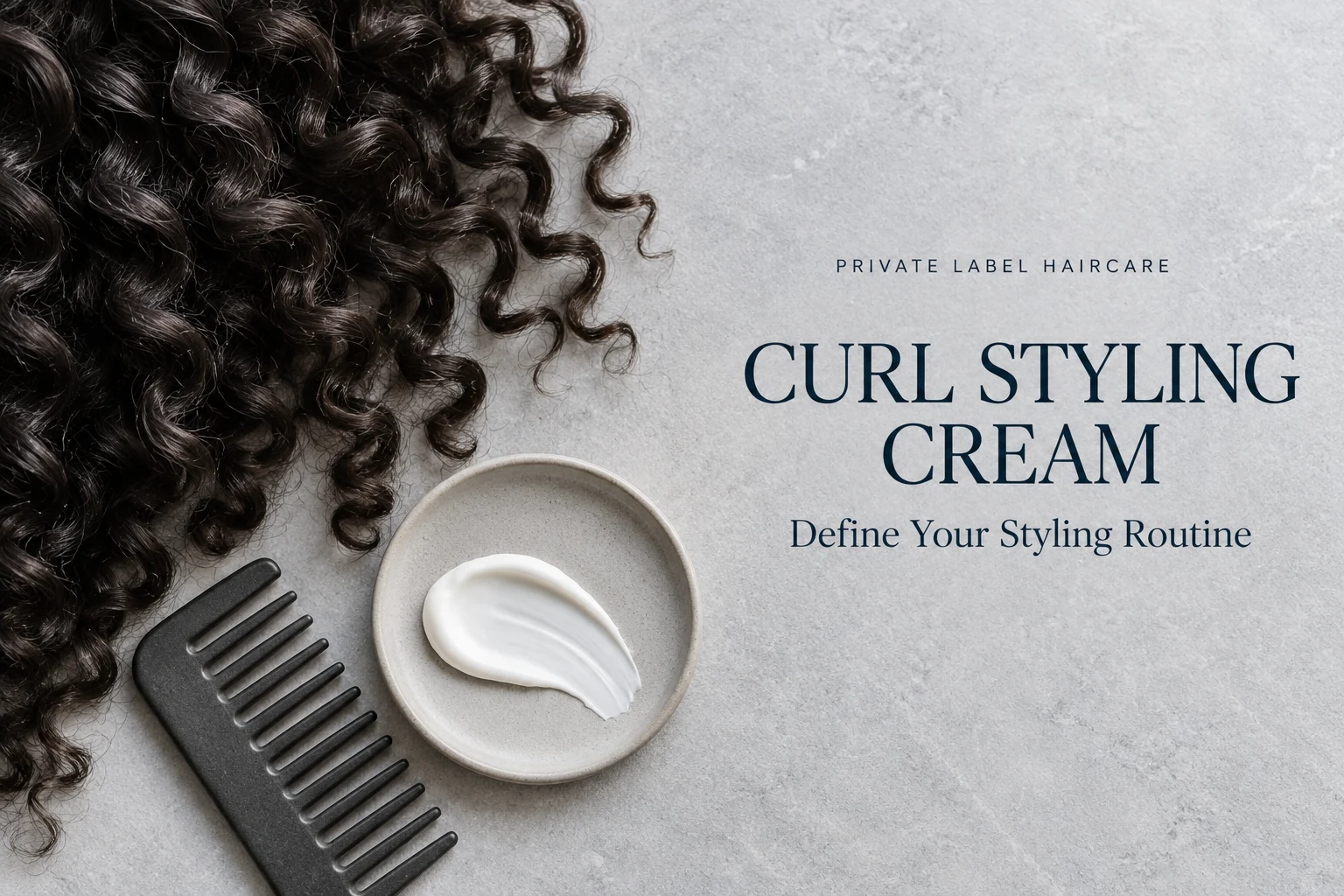
In this guide
- Start with the routine slot, not a promise
- What the SWX-A318 reference actually establishes
- Map the application stage before writing directions
- Plan layering as a sequence of questions
- Translate “hold” and “finish” into reviewable preferences
- Include refresh and removal questions early
- Build packaging around the approved routine
- Give the cream a clear role in your collection
- Send a concise but complete supplier brief
- Frequently asked questions
- Related Links
A private label curl styling cream project becomes easier to discuss when the brand can describe the routine it wants to support. Start with the moment of use, the other products in the routine and the experience your customer expects. A product name alone cannot answer whether a cream belongs on damp hair, in a finishing step or in a later refresh. Those details need agreement on the selected sample and its confirmed directions.
LANTHOME lists Curl Styling Cream, model SWX-A318, as a styling cream reference for private label, OEM and ODM discussions. Its product reference is 1601457696039. The current page invites buyers to discuss the styling routine, desired hold, finish, application and removal experience. This guide turns those questions into a usable product brief for brand founders and purchasing teams.
The catalog entry does not establish an ingredient list, pack size, application amount or a guaranteed styling result. Use it to identify the product for a conversation. Request the current sample information before deciding what the finished product should say or how customers should use it.
Start with the routine slot, not a promise
Write one sentence explaining where the proposed cream will sit in your customer's day. For example: “We want to evaluate a cream for a styling step after washing, with instructions that fit our intended customer's usual routine.” That is a development objective, rather than a claim that this reference already performs that role. It gives the supplier something concrete to confirm or question.
The routine slot also sets boundaries for the brief. A product intended for an initial styling step may need different instructions from one intended for later touch-ups. If the brand wants both uses, ask whether the selected sample is suitable for both and what evidence is available. Do not combine the two merely because the word “cream” sounds versatile.
Clarify who is using the product and who explains it. A salon professional demonstrating a routine can answer questions during application. An online customer using a product alone depends more heavily on the label and product page. Describe the intended buying channel, user experience and instruction format without assuming that one routine will fit every customer.
Define a primary use before adding secondary uses
Choose one primary use scenario for the first discussion. Record secondary scenarios separately so the team can decide whether they belong in the initial project. This prevents a brief from expanding into an all-purpose styling product without a clear approval path.
If your audience includes several curl patterns, hair lengths or styling habits, identify them as the proposed evaluation groups. The catalog name does not demonstrate suitability for all of them. Ask how the sample should be reviewed and whether different instructions or a narrower audience would be appropriate. A specific question is more useful than a broad statement about “all curls.”
What the SWX-A318 reference actually establishes
The current product page identifies the product as Curl Styling Cream, with model SWX-A318, product reference 1601457696039 and a styling cream format. It names LANTHOME and lists Private Label / OEM / ODM under customization. Buyers are invited to discuss formula, packaging and quantity requirements, as well as sample evaluation.
These facts are enough to organize an initial inquiry. They do not confirm that any requested formula change, package or quantity is available. Keep the product reference in your correspondence so the team can distinguish it from other items in the hair styling collection.
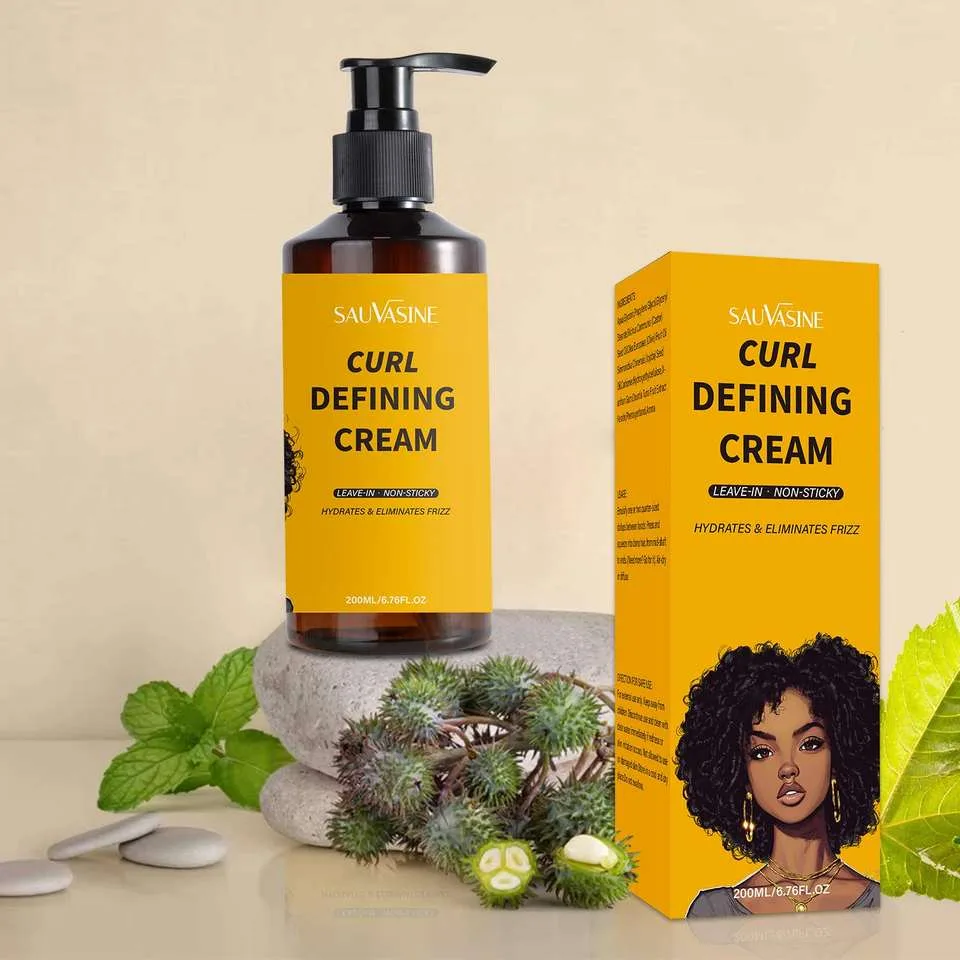
Ask for the current ingredient information, application instructions and packaging specification for the exact sample offered. If the documents and catalog photography differ, resolve that difference before approving artwork. A gallery image is useful for identification; it is not a substitute for the specification attached to the selected project.
Map the application stage before writing directions
An application-stage map describes what the customer has done immediately before using the cream and what happens immediately afterward. This is a practical way to reveal missing decisions. Avoid filling those gaps with directions copied from another brand, since they may refer to a different formula or routine.
For the proposed routine, record the starting hair condition, the intended application area and the next styling step. Ask the supplier which conditions are appropriate for the sample. If the brand is considering damp-hair application, ask for confirmation rather than stating it as an established direction. Apply the same approach to dry-hair use, reapplication and any proposed styling tool.
| Routine decision | Question for the selected sample | Information to approve |
|---|---|---|
| Starting condition | Is the proposed damp or dry application suitable? | Confirmed starting condition and any limitations |
| Application area | Where should the cream be applied in this routine? | Clear application wording for the intended user |
| Amount | How should the user choose an appropriate amount? | Supplier-supported guidance rather than an invented dose |
| Next step | Which proposed styling steps are compatible? | Confirmed sequence and relevant instructions |
| Later use | Is a refresh or touch-up use supported? | A separate decision on secondary use |
Treat the map as a draft until the supplier confirms the sample's directions. Mark unanswered cells as open questions. This is especially helpful when marketing and purchasing work separately: both teams can see which statements are confirmed and which are still proposed.
Keep example scenarios separate from instructions
A scenario can describe your intended customer without telling them how to use an unapproved product. “Our customer prefers a short morning routine” is a useful audience observation. “Apply a specific amount every morning” is an instruction that requires confirmation. Make that distinction explicit in the development document.
For each scenario, write a desired experience and a question. A brand might want an easy-to-explain application step, then ask how the selected cream should be applied to support that goal. The supplier may recommend revising the scenario. Leave space for that answer instead of treating the first marketing idea as a fixed specification.
Plan layering as a sequence of questions
Many brand concepts include several products, but a coherent collection needs more than matching labels. If the proposed cream will be used alongside a conditioner, oil or another styling product, list the exact neighboring products you intend to evaluate. Their names alone cannot establish compatibility with the selected cream.
Define a simple baseline routine for discussion. Then list any proposed additions as separate combinations. Ask whether those combinations are appropriate and how they should be evaluated. Changing several products at once makes feedback harder to interpret, so a staged review can help the team identify which combination needs further attention.
Record the order the brand proposes, the purpose of each step and any uncertainty about overlap. If both products are described as finishing steps, clarify whether they serve different user preferences or whether the routine needs simplifying. The objective is a sequence customers can understand, not a longer list of products to purchase.
Create a routine compatibility record
Use a record with the sample identifier, neighboring product identifiers, proposed sequence, confirmed directions and reviewer observations. Include the date and the version of the instructions used. If a neighboring product changes, flag the combination for review instead of carrying the earlier conclusion forward automatically.
Keep observations limited to the conditions actually reviewed. A comment that one proposed combination felt acceptable to a reviewer is not proof that every combination will behave the same way. Ask the supplier what additional work would be needed before presenting broader compatibility statements to customers.
Translate “hold” and “finish” into reviewable preferences
Words such as hold, definition and softness can mean different things to different people. Before requesting a sample, explain what the brand means by its preferred styling experience. Separate appearance, touch and routine convenience so the team can discuss each one clearly.
For appearance, describe the look the brand wants to explore without asserting that the sample delivers it. For touch, identify the feel preferences that matter to the intended audience. For convenience, consider whether the customer values a short sequence, straightforward cleanup or clear guidance for deciding when to stop applying product. Each preference is a brief requirement awaiting confirmation.
Avoid turning these preferences into numerical claims without a defined basis. A requested duration of hold, humidity-related performance or a universal result across hair types needs appropriate support before it becomes customer-facing copy. The public SWX-A318 page does not supply that support. Keep such requests in the supplier question list.
Use descriptive feedback instead of vague approval
A note saying “good texture” gives the development team little direction. A better note identifies the routine used, the confirmed instructions followed and the aspect the reviewer wants clarified. Record whether the feedback concerns handling, distribution, visible finish, feel or the wording of the directions.
Agree in advance which observations will guide the next discussion. This does not require inventing a test standard. It means the brand and supplier know what the review is trying to answer. If feedback is inconsistent, ask whether differences in the routine, sample identity or interpretation of the instructions need to be resolved first.
Include refresh and removal questions early
A brand may be attracted to a refresh concept because it fits its audience's habits. That concept still needs a separate suitability discussion. Ask whether later application is supported for the offered sample, under what conditions and with which directions. Do not assume that initial styling instructions can simply be repeated unchanged.
Likewise, define what the customer should understand about the next wash or removal step. The product page specifically asks buyers to describe the desired removal experience, but it does not establish a removal method. Request confirmed guidance. Avoid promising a particular cleanup result or absence of residue without supporting information.
These questions can influence customer support material. If the confirmed directions leave common user decisions unclear, address them before launch. A short explanation on the product page can complement the label, but it should remain consistent with the approved directions rather than introducing additional uses.
Build packaging around the approved routine
Packaging decisions should follow the confirmed product specification and use directions. Tell the supplier about your preferred dispensing experience, label space and sales channel. Ask what packaging is available or suitable for the offered sample. The catalog invites a packaging discussion; it does not confirm a particular container, size or dispensing system.
An appealing mockup can hide unresolved practical questions. Check how the planned instructions will fit, whether the product name is readable and where customers will find essential information. If the brand proposes a dispenser, ask about its suitability before treating the mockup as an approved package.
Prepare artwork only after the current ingredient list, required information and confirmed directions are available for review. Any market-specific labeling requirements should be checked separately by the responsible team before sale. Do not copy unsupported ingredient or performance statements from another product to fill empty space on the layout.
Align the label and digital product page
Maintain one approved instruction record for the project. Use it when preparing the label, website, retailer information and customer service answers. If wording changes, note the version and make sure the affected materials are reviewed together. This helps prevent a product page from advertising a use that the packaging never confirms.
Distinguish the proposed brand story from the factual product specification. A story about a simple styling routine can guide visual design. It cannot establish how the cream performs. Let the confirmed specification set the boundaries for every factual statement that appears beside that story.
Give the cream a clear role in your collection
A curl styling cream concept should have a role customers can recognize alongside the rest of the range. Explain how it relates to your intended wash-care and styling offerings. A collection map can identify the proposed order of products without claiming that the SWX-A318 sample is compatible with every item.
Compare the roles you want to develop, rather than declaring one format superior. A rinse-stage product and a styling-stage product may answer different buyer needs. Ask for the selected sample's confirmed use before placing it in that map. If the role overlaps heavily with an existing item, consider whether clearer naming or a narrower audience would make the collection easier to explain.
The LANTHOME product directory can help you identify other references to discuss. Keep each reference's facts separate. An ingredient or application statement on one product page should not be carried into the curl cream brief simply because the products appear in the same collection.
Send a concise but complete supplier brief
Begin the inquiry with Curl Styling Cream, model SWX-A318 and reference 1601457696039. State the proposed routine slot, intended audience and buying channel. Then identify the decisions you need the supplier to confirm: directions, ingredient information, sample identity, packaging possibilities and the process for reviewing your requirements.
Include quantity and timing as your requirements, not as assumptions about what the supplier can provide. If those requirements are still undecided, say so. Ask for the available options and project-specific terms. The public product page does not publish a minimum order quantity, price or lead time for this reference.
Use the sample request page to organize the initial discussion, or contact LANTHOME with the product reference and your routine questions. The private label service page and How It Works provide additional places to frame the project conversation.
Before moving from discussion to approval, ask the team to summarize the agreed specification and outstanding items. Keep the accepted sample, instructions and artwork version connected in the project record. That gives the brand a concrete basis for its next decision and helps avoid treating a catalog reference as a finished retail promise.
Frequently asked questions
What is the LANTHOME reference for curl styling cream?
The current catalog lists Curl Styling Cream under model SWX-A318 and product reference 1601457696039. It identifies a styling cream format and Private Label / OEM / ODM customization discussions. Include both identifiers when requesting current sample information so the team can confirm which product your brief concerns.
Does the page confirm damp-hair or dry-hair application?
The current page asks buyers to discuss application and review instructions with the team. It does not establish a specific damp-hair or dry-hair direction. Describe the routine you want to explore and request the selected sample's confirmed instructions before writing customer-facing directions or creating a demonstration.
Can we claim a particular curl hold or humidity performance?
The public reference page does not provide evidence for a specific hold duration or humidity-related result. Treat those ideas as development questions. Ask what support is available for the selected sample and agree on appropriate wording before using a performance statement on a label, product page or sales presentation.
What should we ask about layering with other hair products?
Identify the actual neighboring products and proposed sequence, then ask whether that combination is appropriate for the selected sample. Keep a record of the instructions and sample identifiers used during review. Do not infer broad compatibility from the cream's name or from the fact that another item is sold in the same collection.
Are pack sizes, order quantities and delivery times confirmed online?
The product page invites discussion of packaging, quantities and timing, but it does not publish fixed terms for this reference. Share your requirements and request project-specific confirmation. Approve packaging and planning assumptions only after the team has provided the current specification and commercial information relevant to your proposed project.
Related Links
- Curl Styling Cream — SWX-A318- Review the styling cream catalog reference for your routine brief.
- Hair Styling Collection- Explore hair styling references for a supplier discussion.
- LANTHOME Haircare Products- Browse the site's current haircare product directory.
- Private Label Haircare- Discuss private label requirements for your proposed range.
- How It Works- Review the site's project process information.
- Request Samples- Organize a sample inquiry with your product reference and questions.
- About LANTHOME- Read the site's company information.