
In this guide
- Start with one identified shade reference
- Separate the source photograph from an approved specification
- Create a master record before adding more versions
- Define the comparison question before reviewing samples
- Build an image brief that identifies the offer
- Review artwork as a product identity document
- Treat additional shade requests as separate project decisions
- Plan the retailer handoff around a controlled version list
- Use change control to prevent mixed-version approvals
- Send a focused supplier enquiry
- Frequently asked questions
- Related Links
A private label hair color stick project needs a reliable way to connect a shade name with the sample, product imagery and packaging files under review. A color word on a catalog page is useful for finding a reference. It is not a complete specification for the shade, application experience or retail offer your brand will approve. Build that connection before commissioning final artwork or presenting a proposed shade range to retailers.
LANTHOME lists Brown Hair Color Stick, model HG-A05-0004-01, in its Hair Styling collection. Its product reference is 1601634202520. The current page identifies a hair color stick format and invites private label, OEM and ODM discussion. It asks buyers to review the selected sample, current ingredient information, application instructions and packaging before confirming their project specification.
This guide explains how brand founders and purchasing teams can create a shade approval record for that conversation. The aim is to make the relationship between names, samples and files easy to follow. It does not establish an available shade range, a coverage result, a wear duration, an application method or a fixed package size for the selected reference.
Start with one identified shade reference
Begin the brief with the catalog name, model and reference number. For this project discussion, that means Brown Hair Color Stick, HG-A05-0004-01 and 1601634202520. Keep all three together in the enquiry so the supplier can identify the intended item without interpreting a screenshot or an abbreviated color name.
Then ask which sample and specification are being offered for review. If the brand wants to explore a different shade or presentation, describe that as a separate request. The current page identifies the brown reference; it does not confirm a complete palette or guarantee that an additional shade is available.
A proposed brand name can sit alongside the catalog identifier in your internal record. Keep the two fields distinct. The supplier needs the reference that identifies its offered sample, while your design team may need a developing retail name. Do not let a creative name replace the technical reference before the team has agreed how the two are connected.
Define what the shade name is meant to identify
Ask whether the proposed name identifies one specific offered version or a broader concept still under discussion. A single color word may be sufficient for an initial enquiry, but a project with several requested versions needs a clearer naming record. Request supplier confirmation before deciding how the finished shades will be distinguished.
Avoid using a name to imply suitability for every customer with a similar hair color. The public reference does not establish a universal match or a particular appearance after application. Treat those ideas as questions for the selected product, confirmed directions and any supporting information the supplier can provide.
Separate the source photograph from an approved specification
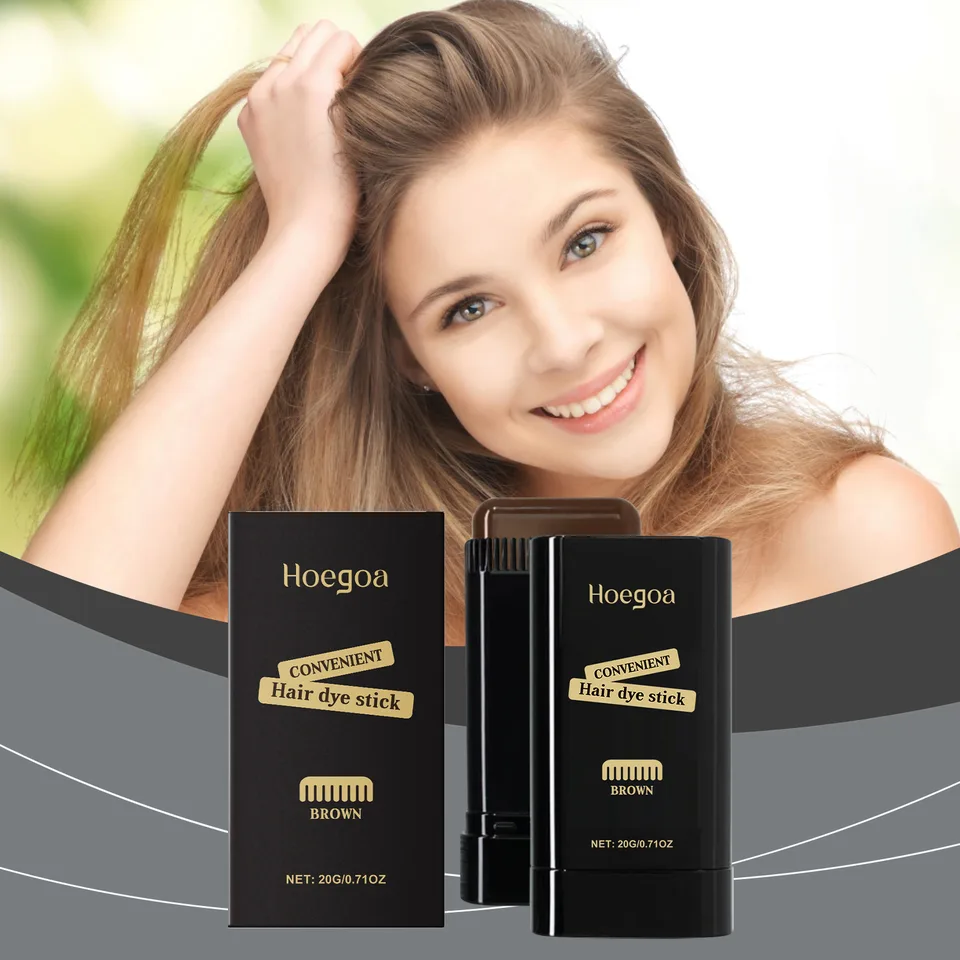
The catalog photograph is a useful identification aid. It can help the buyer and supplier recognize the intended reference during the first conversation. Its retail branding, printed quantity and promotional wording should not be carried into your own label as if they were the approved specification for your project.
Request the current ingredient information, product specification and proposed packaging details for the actual sample offered. If the photo, sample and documents differ, record the difference and ask the supplier to resolve it. A picture should not become the deciding source merely because it is easier to copy into a mockup.
Keep source evidence with the brief, including the original product URL and the date it was reviewed. Label the photograph as a catalog reference. When the project later has approved imagery, distinguish those files from the earlier reference material so retailers and content teams know which version describes the current offer.
Create a master record before adding more versions
A master record connects the proposed retail shade to the supplier's sample identity and the files prepared for it. It should be compact enough that purchasing, design and content teams can read the same information. Start with one row for the selected reference and add other rows only when the team has identified further versions for discussion.
Choose a simple internal identifier for each proposed version and keep it stable while files change. Record the supplier's identifier separately rather than assuming that the two systems are interchangeable. Ask the supplier how it distinguishes revised samples and specifications so your record can preserve that distinction.
| Record field | Purpose in the brief | Information to confirm |
|---|---|---|
| Catalog reference | Identify the starting product | 1601634202520 and HG-A05-0004-01 for this reference |
| Proposed retail shade name | Identify the brand's naming direction | Wording linked to the selected version |
| Sample identifier | Identify what was actually reviewed | Supplier-confirmed sample and revision details |
| Specification version | Identify the documents used | Current product, ingredient and packaging information |
| Image file | Connect the visual to the selected offer | Approval status and the version depicted |
| Artwork file | Connect the label to the selected offer | File version, wording and approval status |
| Open questions | Keep unresolved details visible | The next confirmation or review needed |
Do not fill missing fields with guesses to make the table look complete. Mark them as awaiting confirmation and include them in the next supplier conversation. An incomplete but accurate record is more useful than a polished sheet that silently combines information from different samples.
Keep the retail SKU decision separate from the sample identity
Your business may want a retail SKU for stock management. That identifier should not obscure which sample and specification the proposed offer uses. Record the relationship explicitly and review it when the formula, packaging or naming direction changes.
If the brand is still exploring alternatives, avoid presenting every exploratory row as an available retail shade. Keep a clear status field such as proposed, under review or approved. The status describes your project process; it does not establish supplier availability or production readiness without the relevant confirmation.
Define the comparison question before reviewing samples
Decide what the sample discussion should help you determine. The brand might need to clarify shade naming, understand the confirmed application instructions or review how the proposed retail image identifies the offered version. Agree on the question before collecting observations.
Ask the supplier for the current directions and review information for the selected sample. Do not invent a number of passes, an application amount or a removal method to create a convenient comparison procedure. Those details need confirmation for the actual product offered to your project.
Keep different questions separate in the feedback. A comment about the shade name is not the same as a comment about the package, application wording or appearance observed in a specific review. Describing each point clearly helps the team decide whether the next discussion concerns naming, information, the sample or a requested revision.
Record the context of each observation
Use a short observation record containing the sample identifier, confirmed instructions used, reviewer context and the specific question considered. If the brand is proposing a visual comparison, agree on the context and identify the references involved. Do not treat an informal comparison as a validated performance test.
Limit any conclusion to the information actually reviewed. An observation about one sample in one setting does not establish a match for every intended user or a result under all conditions. Ask the responsible team what additional information would be needed before using broader wording in a retailer sheet or product page.
Build an image brief that identifies the offer
Product imagery should help customers recognize the approved offer. Before commissioning a photograph or illustration, identify the selected sample, proposed package and information the image must communicate. State whether the work is an internal concept or imagery intended to depict the final retail version.
For an internal concept, use a clear label and keep speculative package elements out of specification documents. For a photograph of an approved offer, make sure the team has identified the version to be shown. An attractive image of a different sample or earlier package can create a mismatch even if the file name uses the correct retail shade name.
Ask the team how shade-related visuals should be reviewed. If the brand wants a swatch, a hair demonstration or a comparison image, discuss what that visual can appropriately represent and what supporting information is needed. The catalog page does not provide an approved shade chart or evidence for a before-and-after claim.
Keep visual files linked to their approval status
Use file names that include the internal version identifier and an image revision. In the master record, connect each image to the sample and package it depicts. Record whether it is a concept, a reference or approved customer-facing material.
When reviewing imagery, compare it with the agreed brief and selected reference materials. Ask whether the visual identifies the correct offer and whether its caption introduces an unconfirmed result. Avoid presenting an illustrative color patch as an exact color promise unless the team has an appropriate basis for that representation.
Review artwork as a product identity document
Artwork does more than carry a brand style. It names the proposed offer and connects customer-facing information to the selected specification. Begin the review with the product identity, shade wording, ingredient information and confirmed directions, then check the visual design around those details.
Ask the supplier to confirm the proposed package and any relevant artwork requirements. The current page invites a packaging discussion but does not establish a final container, fill quantity or printing option for your project. Treat a preferred presentation as a request until it has been reviewed and confirmed.
Keep the shade name consistent across the proposed carton, product label, image caption, retailer sheet and stock record. If the brand changes the wording, identify all affected files. A naming revision can be easy to make in a design file while leaving an earlier name in a retailer document or online option selector.
Separate naming approval from product claims approval
Approving a retail shade name does not approve every statement beside it. Review proposed descriptions of coverage, application, wear and removal separately against the selected product information. The Brown Hair Color Stick page does not establish a particular coverage level, duration or resistance claim.
If a claim is central to the brand concept, include it in the supplier question list and request the relevant support. Keep it out of final customer-facing copy until the responsible team has confirmed an appropriate basis and wording. A familiar phrase from another brand's label is not that basis.
Treat additional shade requests as separate project decisions
A brand may want several shades for its collection, but the current reference confirms only the brown product identification. Present additional shade ideas as requests for discussion. Ask which options, if any, can be considered for the proposed project and how their samples and specifications would be distinguished.
Create separate review rows for any offered alternatives. Keep their documents, images and artwork linked to the correct sample identifiers. Do not apply an ingredient statement, package detail or observation from the starting reference automatically to every additional version.
The Hair Styling collection can help you identify other product references for discussion. A neighboring product is its own reference, rather than proof that it belongs to an approved shade range with this stick. Request a clear project scope before presenting a collection to retailers.
Plan the retailer handoff around a controlled version list
Retailer information should distinguish the offers that have actually been approved for the project. Prepare a concise version list containing the retail name, product identity, current image and approved directions or information source. Include a date and version so staff can identify whether their copy is current.
Avoid filling the sheet with unresolved color-matching advice. If staff need an answer to a common customer question, request approved wording during development. That may require a narrower explanation than the initial marketing idea. Keep the answer tied to the selected product rather than asking staff to infer suitability from a shade name.
Check that online option labels, stock records and retailer materials use the same identifiers. If an item is still proposed, make its status clear in internal documents and keep it out of an available-products list. Do not use artwork completion as a substitute for confirmation of the offer and commercial scope.
Use change control to prevent mixed-version approvals
When a requested change affects the sample, shade name, package or directions, ask which documents and files need revisiting. Record the reason for the change and the supplier's confirmation of the revised scope. Keep the earlier version available for reference while clearly identifying the current one.
Do not carry a positive comment about an earlier sample into approval of a revised offer without review. Likewise, an image approved for an earlier package may no longer identify the current version. The master record should make those relationships visible so the team can see which approvals remain relevant.
A brief revision note can be enough: what changed, which identifier now applies, which files are affected and which questions remain open. The goal is an understandable record, not a complicated numbering system. Use a process the people preparing quotations, artwork and retail information can maintain consistently.
Close the record with a clear decision list
At the end of a review, distinguish confirmed decisions, requested changes and unanswered questions. Identify the next supplier confirmation needed for each open point. This helps purchasing and marketing share the same view of the project rather than using different informal conclusions from the conversation.
Before moving forward, check that the sample, specification, artwork and image entries refer to the same offered version. If they do not, resolve the mismatch. A finished design presentation should not hide uncertainty about which product it describes.
Send a focused supplier enquiry
Begin with Brown Hair Color Stick, model HG-A05-0004-01 and reference 1601634202520. Describe your intended audience, market, channel and proposed role in the collection. Explain the shade-identification questions your team needs to answer and request the current sample, ingredient, instruction and packaging information.
Share additional shade ideas, formula preferences and branding direction as requests for review. State quantity and timing as planning requirements, then ask for project-specific confirmation. The current page does not publish a fixed minimum order quantity, price, production capacity or delivery time for this reference.
Use the sample request page or contact LANTHOME with the product reference and your draft record. The private label service page and How It Works can help frame the next conversation. A clear enquiry connects the starting reference to the decisions the brand wants to review, while leaving unconfirmed details open for an accurate answer.
Frequently asked questions
Which reference identifies this hair color stick?
The current LANTHOME page lists Brown Hair Color Stick, model HG-A05-0004-01 and reference 1601634202520. It identifies a hair color stick format and Private Label / OEM / ODM project discussions. Include the model and reference when requesting the offered sample and current documents.
Does the page confirm a complete shade range?
The public reference identifies the brown item, but it does not establish a full shade range or guarantee additional colors. Describe other shade ideas as requests for discussion. Ask the supplier which options can be considered and keep separate sample and specification records for any offered alternatives.
Can the catalog photograph define our final packaging and quantity?
The photograph is a catalog identification reference. Its retail branding, printed quantity and presentation do not establish the final private label specification for your project. Request the current package and product details for the sample offered, then connect approved artwork and images to that version.
Are coverage and wear-duration claims confirmed for this stick?
The current page asks buyers to review sample information and instructions, but it does not establish a coverage level or a wear duration. Treat proposed performance wording as a question requiring support for the selected product. Do not use another product's claims to complete an otherwise unfinished description.
What belongs in a shade approval record?
Include the catalog reference, proposed retail name, supplier-confirmed sample identity, specification version, image and artwork files, their approval status and open questions. Keep observations limited to the context reviewed. Update the relationships when the offered sample, naming direction or package changes so every team can identify the same current version.
Related Links
- Brown Hair Color Stick — HG-A05-0004-01- Review the starting hair color stick reference for your shade record.
- Hair Styling Collection- Browse styling references for a product discussion.
- LANTHOME Haircare Products- Explore the current haircare directory.
- Private Label Haircare- Discuss private label requirements for your proposed collection.
- How It Works- Read the site's project process information.
- Request Samples- Organize an enquiry with your product reference and review questions.
- About LANTHOME- Read the site's company information.