
In this guide
- Define the job of the applicator
- What the FP-A060 page confirms
- Review the formula and package as one proposed product
- Turn contact application into clear questions
- Include handling, closure and care wording
- Separate scalp-care positioning from unsupported outcomes
- Plan artwork around confirmed instructions
- Build a focused sample-review conversation
- Send the supplier a complete handoff brief
- Frequently asked questions
- Related Links
A private label roll-on scalp serum project brings the applicator into the product conversation from the beginning. The brand needs to understand the proposed formula, the package that carries it and the instructions customers will follow. Choosing a roll-on reference is a starting point for that discussion. It does not establish a dose, an application routine or a particular result on its own.
LANTHOME lists Roll-On Serum, model FP-A060, in its Scalp Serum collection. The product reference is 1601563320293. Its current page identifies a Roll-On Serum format and invites private label, OEM and ODM project enquiries. It asks buyers to explain the application method and intended routine, review ingredient information and discuss proposed claims for the target market.
For brand founders and purchasing teams, the useful next step is an applicator brief: a document that connects the intended user experience to questions about the actual sample. This guide explains how to build that document without assuming unconfirmed packaging options, ingredients, performance or commercial terms.
Define the job of the applicator
Begin with the application experience you want to explore. Describe where the product would sit in the customer's routine, how the customer would handle it and what information they would need before use. Keep these statements as project objectives until the supplier confirms what the selected sample supports.
A brand might want to evaluate a format that makes a scalp-care step straightforward to explain. That objective raises practical questions: how the sample should be held, how contact and dispensing are intended to work, and what the user should do afterward. Ask those questions directly. Avoid replacing them with a broad promise of effortless or precise application.
Specify the audience and sales setting as well. A professional demonstrating a product in person can explain details that an online customer may need on the label. If the product will be sold through retailers, ask what approved information those retailers should receive. The same confirmed directions should underpin each channel's materials.
Separate an application objective from a performance claim
“We want to explore a convenient application step” is an objective. “This applicator delivers a precise measured dose” is a factual claim requiring support for the selected package and formula. Likewise, a preference for a comfortable contact experience does not establish the sample's suitability for every intended user.
Keep a list of proposed wording beside the brief. Mark each statement as a question, a confirmed specification or wording awaiting review. This gives marketing and purchasing a shared record and prevents an appealing concept from becoming an unsupported product description during artwork development.
What the FP-A060 page confirms
The current catalog names Roll-On Serum, model FP-A060 and reference 1601563320293. It places the product in the Scalp Serum collection, names LANTHOME and lists Private Label / OEM / ODM under customization. It invites discussion of formula, product specifications, packaging, branding and sample requirements.
These facts identify the reference you can use in a supplier enquiry. They do not confirm the complete ingredient list, applicator construction, fill size, dispensing quantity or final brand directions. The page also asks buyers to confirm packaging, quantities and timing with the team. Treat those details as project-specific decisions.
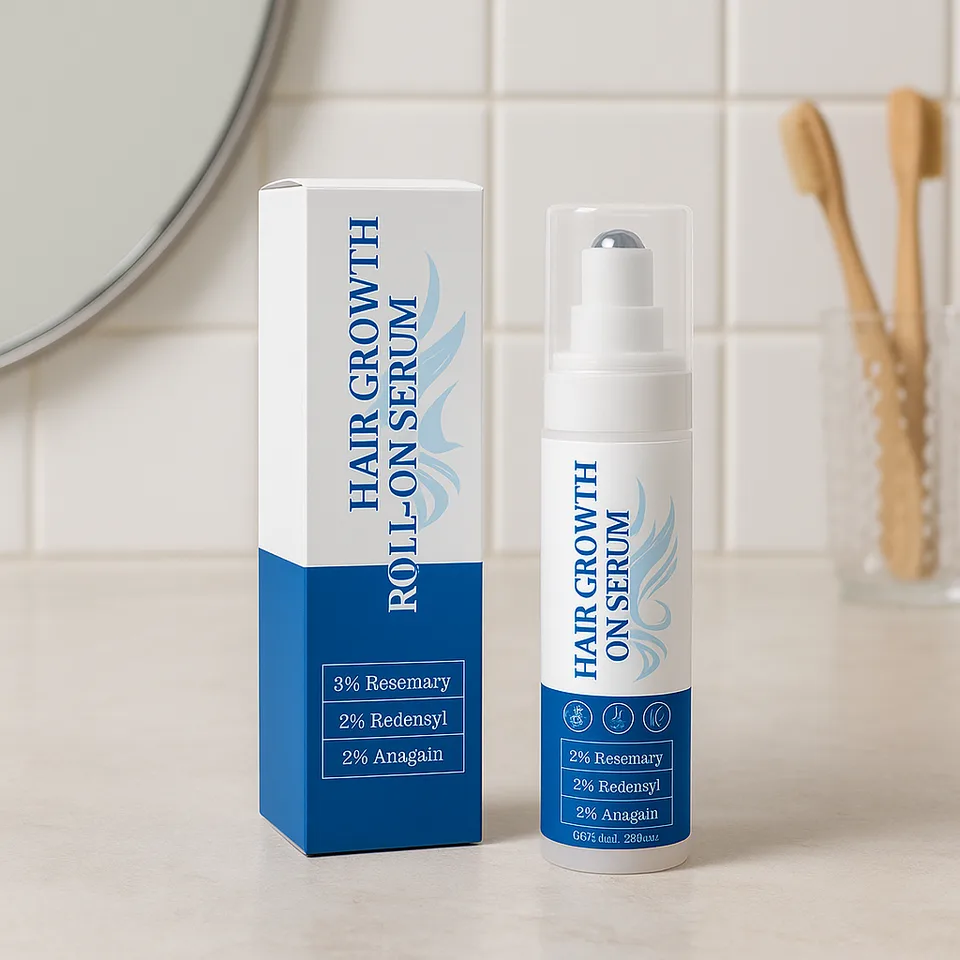
Request the current specification for the sample offered to your project. A photograph helps identify the catalog reference, but the approved package and formula should be described in the documents accompanying your sample review. If the photography, written description and offered specification differ, resolve the difference before preparing a final label.
Review the formula and package as one proposed product
An applicator discussion needs the exact formula version and package version under consideration. Ask the supplier to identify both. Avoid approving a container in isolation and then assuming that every formula proposed later will work with it in the same way.
The buyer's job is to state the desired experience and request relevant review information. The supplier should confirm what package options and review methods are available for the offered product. Do not prescribe a technical acceptance limit simply because it sounds appropriate for the category. Agree on the review scope with the responsible team.
For example, you can ask how the team evaluates dispensing behavior, closure operation and the product's condition in the proposed pack. These are questions about the project, not statements that testing has already been completed. Keep any supporting reports tied to the actual sample identifiers and the conditions described in those reports.
| Brief item | Buyer question | Record to obtain |
|---|---|---|
| Formula identity | Which current formula version is being offered? | Sample identity and current ingredient information |
| Applicator identity | Which applicator and closure are proposed? | Package specification for the selected option |
| Dispensing | What instructions govern application and amount? | Confirmed directions for that formula and pack |
| Pack review | What review information supports the proposed combination? | Relevant project-specific findings and open questions |
| Changes | What needs revisiting if formula or packaging changes? | An agreed revision and approval process |
Use this table to make missing information visible. An unanswered cell is a supplier question, rather than a space to fill with an assumption. If several package concepts are being considered, keep separate records so a conclusion about one option does not become approval for all of them.
Ask what a revision changes
A new formula preference or package concept may alter the scope of the project. Ask the supplier which documents, samples and reviews would need updating for the proposed change. A change request is not confirmation that the revised version is available or that the earlier review still applies.
Maintain a simple version history. Identify what changed, who confirmed the new scope and which earlier materials are superseded. This is particularly useful when a brand has separate design, purchasing and website teams: each team needs to know which specification is the current basis for its work.
Turn contact application into clear questions
Because this is a roll-on reference, ask the supplier to explain the intended application method for the selected sample. Request the starting conditions, intended application area, handling steps and any limitations. Do not infer those instructions from the product name or from another brand's demonstration.
Discuss how customers will understand the beginning and end of the application step. What should they do before using the product? What confirms that they have followed the directions correctly? What should they do after use? The answers should come from the approved product information rather than from an improvised video script.
If the brand wants to show the application visually, prepare a storyboard as a proposed communication tool. Have the team check its steps against the confirmed instructions before producing customer-facing content. A clear visual can explain a direction, but it should not introduce a different application method or an additional promised benefit.
Avoid inventing a dosing system
Do not translate rolling motions into a measured amount unless the supplier provides an appropriate basis for that instruction. The public FP-A060 page does not establish a dose per pass, a number of passes or a frequency of use. Ask how amount and frequency should be communicated for the selected product.
If the approved guidance leaves a common decision unclear, send that question back to the team. Marketing can improve the readability of confirmed directions, but it should not add quantities or use frequency to make an otherwise incomplete instruction sound finished.
Include handling, closure and care wording
The customer experience extends beyond initial application. Ask what the user should do with the applicator and closure after use, and what care or storage instructions belong with the offered sample. The public page does not establish a cleaning method or storage condition, so those details require confirmation.
Describe the handling situations your brand wants to explore. For example, you may want the team to review the proposed pack for your intended retail channel and the customer's expected storage habits. State the scenario and ask what information is available. Do not claim that the package is leakproof, travel-ready or suitable for a particular environment without support.
Questions about contact and hygiene should stay tied to approved product information. Ask the responsible team what wording is appropriate for the actual applicator and use directions. Avoid promises about hygienic, sterile or contamination-free use unless the selected product and supporting information substantiate them.
Write a practical customer question list
Draft the questions customers may ask before launch. These might concern how to start using the sample, how to close it after use, whether later reapplication is supported and where to find the ingredient information. Present the list to the supplier so approved answers can be developed alongside the project.
Keep unanswered questions out of promotional copy. If a question remains unresolved, document it as an open project item. A retailer FAQ, website FAQ and customer service reply should draw from the same confirmed answers, so a convenient explanation does not become an unreviewed new direction.
Separate scalp-care positioning from unsupported outcomes
The catalog places this reference in a scalp serum collection. That category provides a starting point for discussing the product's intended role. It does not establish a medical purpose, a hair-growth outcome or a particular ingredient mechanism. The current page asks buyers to review ingredient information and proposed claims for their target market.
Start your positioning document with the routine and format you want to discuss. Then list any proposed ingredient-led or performance wording separately for review. A name, image or category should not be used as proof of a claim. Request supporting information for the actual formula offered before deciding how the finished product will be described.
If your concept depends on a specific ingredient, ask whether that direction is available and obtain the current ingredient information for any agreed sample. Do not carry an ingredient from a neighboring product in the Scalp Serum collection into this reference. Each product needs its own factual record.
Plan artwork around confirmed instructions
Tell the supplier about the branding direction and label space you want to explore. Ask which packaging options can be discussed for the project and how the required product information would fit. The catalog's invitation to discuss branding does not guarantee a specific container, surface finish or printing method.
Create an information layout before polishing a final mockup. Place the proposed name, approved directions and ingredient information where customers can find them. Identify any market-specific review needed before sale with the responsible team. This guide does not supply a substitute label checklist for every country.
Keep design preferences separate from approved specifications. A preferred size or closure appearance can be included as a request, but it should not become a confirmed pack description until the supplier has reviewed it. This also helps purchasing distinguish the visual concept from the package included in a project quotation.
Align the website with the package record
Prepare the digital product page from the same approved record used for artwork. Include only confirmed product details and directions. If the brand uses a concept photograph before the final package is available, label that image appropriately and avoid presenting it as proof of a specification or result.
When a specification changes, review the website, retailer sheets and customer service information alongside the packaging materials. Keep a dated note of the wording approved for each version. This makes it easier to trace a customer-facing statement back to the product information on which it was based.
Build a focused sample-review conversation
Before asking for samples, decide which questions the review should answer. For this applicator brief, priorities might include understanding the confirmed handling directions, reviewing the proposed dispensing experience and checking whether the information layout is clear. Ask the supplier to agree on the sample and review scope first.
Record the sample identifier, package identifier, instructions supplied and reviewer context. Separate observations about the applicator from observations about the proposed formula experience. A broad comment such as “nice product” cannot tell the team whether the next discussion should concern the package, directions or the brand's positioning.
Use descriptive feedback limited to what was actually observed. Do not turn an informal sample comment into a universal claim or a test result. If the intended market or audience requires additional information, ask the team what review is appropriate before approving related wording.
Agree on what is still open
After each review, divide the record into confirmed decisions, requested changes and unanswered questions. Assign the next discussion to a specific item. If a change affects the formula, applicator or directions, ask what needs revisiting before the revised combination can be approved.
Keep project approval separate from a positive first impression. The brand may like the presentation while still needing current ingredient information, confirmed instructions or a revised package proposal. A short open-item list prevents those gaps from disappearing as the design becomes more polished.
Send the supplier a complete handoff brief
Begin with Roll-On Serum, model FP-A060 and reference 1601563320293. State your intended audience, market, channel and proposed routine role. Explain the application experience you want to explore, then list the formula, applicator, packaging and instruction questions that need confirmation.
Share planning quantities and timing as your requirements, rather than as assumed supplier terms. Ask for current project-specific information on available options and commercial scope. The product page does not publish a fixed minimum order quantity, price or production lead time for this reference.
Use the sample request page to organize the initial enquiry or contact LANTHOME with your reference and questions. The private label service page and How It Works can help frame the next project conversation.
A useful handoff ends with a decision list: the sample requested, documents needed, package options to review and questions awaiting answers. Ask the team to confirm that list. This gives the brand a concrete basis for moving forward while keeping the catalog reference, the proposed concept and the eventually approved product clearly connected.
Frequently asked questions
Which product reference should I use for this roll-on serum?
Use Roll-On Serum, model FP-A060 and reference 1601563320293. The current LANTHOME page places it in the Scalp Serum collection and invites Private Label / OEM / ODM enquiries. Include the model and reference when requesting the current sample specification, ingredient information and packaging details.
Does the catalog establish a measured dose per rolling pass?
The current page does not establish a dose per pass, an application amount or a use frequency. Ask for confirmed directions for the actual formula and applicator offered. Do not turn a proposed demonstration into a dosing instruction or copy an amount from a different product's label.
Are the ingredients and package size confirmed for my project?
The page asks buyers to confirm the current specification and ingredient list with the team. Request those documents for the selected sample, along with the proposed packaging details. Photography can identify a reference, but it should not be treated as the final specification for your private label version.
Can the brand call the applicator hygienic or travel-ready?
Those descriptions require support for the selected product and package. The public page does not establish them. Describe the handling or travel scenario you want to explore and ask the team what information and wording are appropriate. Keep any unconfirmed description in the project question list.
What should the first supplier enquiry include?
Include FP-A060, reference 1601563320293, the intended audience, market, channel and routine role. Add your formula and packaging preferences, instruction questions and planning quantity or timing if known. Request separate confirmation of current options and commercial terms before treating the concept as an approved project specification.
Related Links
- Roll-On Serum — FP-A060- Review the roll-on serum reference for your applicator brief.
- Scalp Serum Collection- Browse scalp-care references for a product discussion.
- LANTHOME Haircare Products- Explore the site's current haircare directory.
- Private Label Haircare- Discuss private label requirements for your range.
- How It Works- Read the site's project process information.
- Request Samples- Organize a sample enquiry around the selected reference.
- About LANTHOME- Review the site's company information.