
In this guide
- Begin with the buyer's information journey
- Establish a small, reliable product fact record
- Build a question hierarchy for the product page
- Explain the format without promising equivalence
- Request a complete use-and-after-use explanation
- Describe the package as a specific offer
- Keep environmental language separate from the format
- Give retailer teams a concise information sheet
- Use sample review to close information gaps
- Send a focused shampoo bar project enquiry
- Frequently asked questions
- Related Links
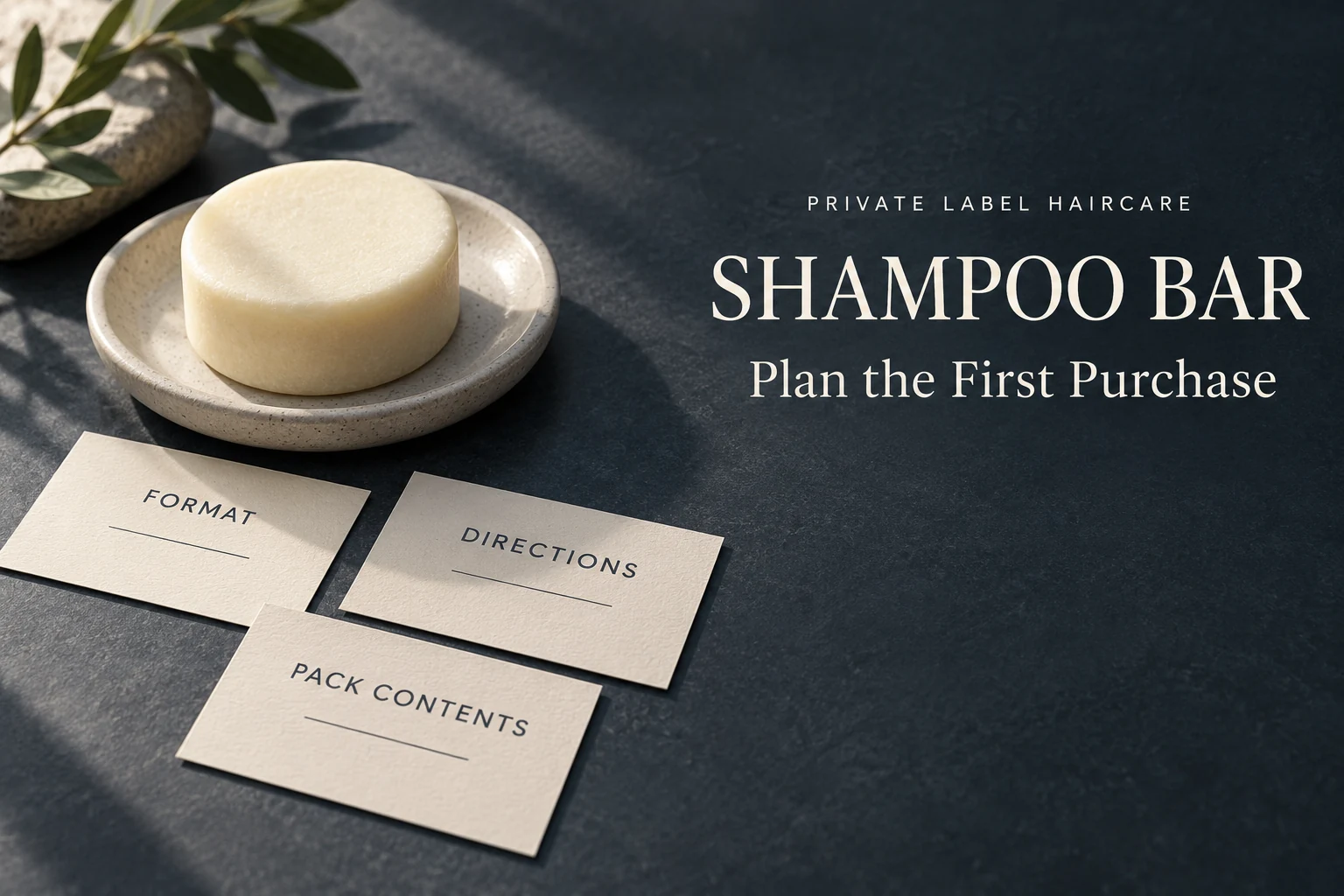
A private label shampoo bar project needs a clear information plan as well as a product brief. Before designing a carton or writing a launch page, decide which questions a first-time buyer should be able to answer. What is the product? Where does it belong in the proposed routine? Which directions are confirmed? What information is available about the selected version? A recognizable bar shape cannot answer those questions by itself.
LANTHOME lists Shampoo Bar, model FAI-FP-F080, as a reference in its Shampoo collection. The product reference is 1601895774619. Its current page identifies the shampoo bar format and invites private label, OEM and ODM discussions about formula, specifications, packaging and branding. It asks buyers to compare the intended washing routine, rinse experience, fragrance and bottle or bar presentation.
This guide helps brand founders, purchasing teams and retail content teams turn that reference into a first-purchase information brief. It focuses on decisions the brand can organize now, while keeping ingredients, directions, final packaging and commercial terms subject to confirmation for the selected sample.
Begin with the buyer's information journey
Map the places where your intended customer will first encounter the product. An online shopper may see a small product card before opening a full page. A retail customer may begin with the front of a pack. A professional may introduce the product in a conversation. Each setting has different space for explanation, but all should draw from the same approved product record.
For each setting, write the first question the brand wants to answer. On a product card, that may be the product category and format. On the full page, it may be the intended routine and confirmed directions. On the packaging, it may be how to identify the selected product and find its required information. These are communication priorities, not evidence that the current reference already meets a proposed retail specification.
Avoid solving every question with a slogan. A phrase about simplicity or a new routine can guide creative work, but it does not establish instructions or product performance. Keep the factual information visible enough that a customer can understand the offer without interpreting the slogan as a technical description.
Choose one primary retail context
Start with the first sales context you intend to support, then identify secondary contexts separately. If your initial launch is online, prepare the product card and full-page information together. If it is through retailers, consider what staff and customers would need to understand from the approved pack and a short product sheet.
This choice helps the team allocate attention. It does not require assuming a particular demand level or buyer behavior. Explain your intended channel to the supplier and ask which product, package and supporting information can be discussed for that project. A reference page is the start of that conversation, rather than a completed retail offer.
Establish a small, reliable product fact record
The current FAI-FP-F080 page confirms the Shampoo Bar name, model, reference number and format. It names LANTHOME and lists Private Label / OEM / ODM under customization. It invites buyers to discuss formula and packaging preferences and to confirm the current specification and ingredient list with the team.
Use those facts to identify the reference in an enquiry. Do not expand them into a complete ingredient story, a guaranteed package option or a confirmed final weight. The public text does not provide those details for your proposed version. Request the current sample information before deciding what belongs in a customer-facing specification table.
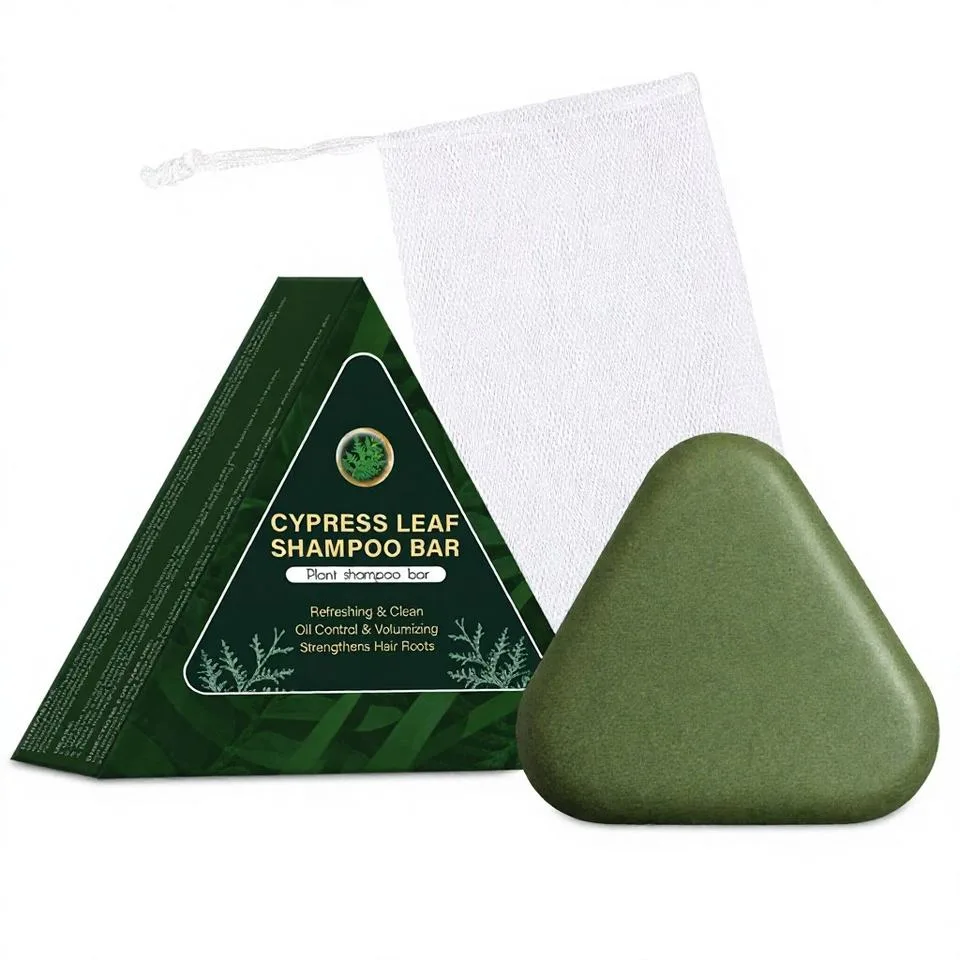
Keep catalog identification separate from project approval. A source photograph helps the team recognize the reference, but its illustrated branding, accessory presentation and printed claims do not define your final private label version. When a photograph and the offered documents differ, ask the team to resolve the difference instead of selecting whichever detail makes the artwork easier to complete.
Build a question hierarchy for the product page
Design the page around a short hierarchy: identify the product, explain the confirmed routine role, provide directions, disclose the approved specification and show where customers can find further information. Decide which questions need an answer in the main page and which can be addressed in a concise FAQ.
Keep open development questions in your internal brief. A page that sounds complete while relying on unconfirmed instructions creates an avoidable mismatch between marketing and the sample specification. Mark each proposed section as confirmed, awaiting supplier information or awaiting the brand's review before it moves into publication.
| Page section | Buyer question to address | Confirmation needed before launch |
|---|---|---|
| Product identity | What product and format am I considering? | Approved name and selected version |
| Routine role | Where does this product belong in the intended routine? | Supplier-confirmed use information |
| Directions | What steps should I follow? | Current application and rinse instructions |
| Product details | What is included in this particular offer? | Final specification and package contents |
| After use | What should I do with the product afterward? | Confirmed care and storage wording |
| Further information | Where can I find ingredients and assistance? | Approved information and contact route |
The table is an editorial planning tool, not a universal labeling checklist. Ask the responsible team to identify any market-specific information that needs review for the final offer. Keep that review tied to the selected product, rather than copying a checklist or label from another brand without examining its relevance.
Make the first screen useful at a small size
Prepare a draft product card containing the proposed name, category, format and one confirmed description. Review it at the size your customers will actually see. If the card relies on tiny lettering in a photograph to identify the product, the information hierarchy needs more work.
Choose clear visual priorities without inventing a product claim. An image can introduce the format, while text identifies the approved offer. Keep any conceptual artwork labeled appropriately during development. It should not be used as proof of an available carton, accessory or product result.
Explain the format without promising equivalence
If the brand also offers a liquid shampoo, make the distinction between the proposed offers understandable. Compare the roles and instructions you want to discuss with the supplier, rather than asserting that the bar is identical to a liquid formula or superior to it. The catalog invites comparison of bottle or bar presentation; it does not establish a formula relationship.
Do not convert a bar's name or appearance into a use-count claim. A stated number of washes, an equivalent number of bottles or a cost-per-use comparison needs an appropriate basis for the selected product and use conditions. The current FAI-FP-F080 page does not provide that basis. If a comparison matters to your concept, include it as a question for the team.
Likewise, the shampoo bar format does not confirm a particular formula classification or ingredient composition. Ask for the selected version's current ingredient information and any proposed wording before adopting terms from a neighboring product. Each reference in the Shampoo collection needs its own factual record.
Request a complete use-and-after-use explanation
Ask the supplier for confirmed instructions describing how the offered sample should be used. Include questions about starting conditions, application, rinsing and the intended next step. Do not supply an application method merely because another shampoo bar uses it or because a particular demonstration looks familiar.
Consider the explanation after use as a separate part of the brief. Ask what care and storage wording applies to the selected sample. The product page does not establish a drying method, storage environment or accessory requirement. If your brand wants to explore a storage accessory, ask whether it is part of the proposed offer and what information supports the combination.
Turn the confirmed directions into a clear sequence for review. Use the supplier's technical meaning while improving readability, then return the edited wording for confirmation. The content team should not add quantities, frequency or extra steps to make an unfinished instruction appear more polished.
Review a demonstration before recording it
Create a storyboard from the approved directions and ask the team to review its sequence. Identify where each step comes from in the current product record. If a shot introduces an accessory or a different method, flag it as a proposed change rather than treating it as a harmless visual detail.
A demonstration should explain confirmed use information. Avoid staging a before-and-after result or implying that the pictured routine guarantees an outcome. Keep the initial review focused on whether the customer can follow the instructions that have actually been approved for the selected sample.
Describe the package as a specific offer
The retail offer should say what customers are buying, based on the agreed specification. Ask the supplier to confirm the final weight or other relevant quantity, package components and artwork requirements for your proposed version. A photograph of a bar, carton and accessory does not establish that all of those items are included.
If the brand wants a carton, wrap or accessory presentation, identify each as a request for discussion. Ask which options are available for the selected product and what review is needed. Do not describe a concept package as confirmed simply because it appears in a design mockup.
Create a pack-content record that purchasing and marketing can both use. List the approved components, their identifiers and the current artwork version. This helps the quotation, product photograph, retailer sheet and website describe the same offer. Where a decision remains open, keep it visible instead of completing the layout with a guessed detail.
Plan the information layout before final artwork
Draft the locations for the approved product name, ingredient information, directions and other reviewed particulars. Check legibility and space with the actual proposed package dimensions once those are confirmed. A generous digital mockup is not a reliable basis for judging how much readable information fits on the final pack.
Keep this layout review separate from preferences about colors and finishes. The brand can explore a visual direction while still waiting for a final package specification. Label concept files clearly so a purchasing team or retailer does not mistake them for the version approved for production.
Keep environmental language separate from the format
A brand may be attracted to shampoo bars because of an environmental positioning idea. Record that idea as a requirement for review, rather than as a property automatically established by the format. The current product page does not confirm plastic-free packaging, a particular waste reduction, biodegradability or a measured environmental advantage.
Ask what information is available for any proposed statement about the selected product and its package. Define exactly what the statement refers to: the formula, a component, the complete retail offer or a comparison. Broad wording can obscure an unresolved detail, so the team should agree on the scope before reviewing evidence or preparing copy.
If a proposed statement cannot be supported, the brand can still explain the confirmed shampoo bar format and approved package contents. A factual description gives customers useful information without relying on an unverified environmental promise. Keep internal aspirations separate from the statements the customer will see.
Give retailer teams a concise information sheet
Prepare a short retailer sheet from the same approved record used for the label and product page. Identify the selected offer, its routine role, current directions, package contents and where to find ingredient information. Include the version and date so staff can recognize whether their copy is current.
Add a focused question list for the intended sales conversation. For example, staff may need an approved answer about how the format is used or whether an accessory is included. Request those answers while the project is still being reviewed. Do not ask staff to improvise technical explanations based on a source photo or a general category description.
If your brand offers several wash-care products, explain their distinct approved roles in the collection. Avoid recommending that one product suits a customer simply because its name contains a particular ingredient. Confirm the product information relevant to your proposed audience before writing a recommendation or comparative sales script.
Use sample review to close information gaps
For this topic, the sample discussion should help the brand connect the physical reference with its proposed retail explanation. Ask the supplier to identify the offered sample and documents. Review whether the planned product page, directions and package-content record describe that specific version accurately.
Collect descriptive feedback on the clarity of the information. Which question remains unanswered? Does a demonstration follow the confirmed sequence? Does the draft photograph show the proposed offer accurately? These are useful editorial review questions, rather than invented performance tests or proof of broad product suitability.
Keep sensory preferences separate from those information checks. The supplier may also discuss the desired washing routine, rinse experience and fragrance, as the page invites. Record those preferences as project requirements and ask what the selected sample supports. A positive first impression does not remove the need for current ingredients, instructions and agreed specifications.
Maintain one approval record across channels
Link each confirmed statement to the relevant project document or supplier answer. Note the sample and artwork version used. If a specification changes, review the affected page, packaging, retailer material and demonstration together. This makes it easier to identify what needs updating without rewriting the entire launch plan from memory.
Before publishing retail materials, review unresolved questions as a team. Some may require more supplier information; others may require a narrower description of the offer. Do not hide those decisions behind increasingly polished design files. A clear record is more useful than a mockup that appears final while its factual content remains open.
Send a focused shampoo bar project enquiry
Start with Shampoo Bar, model FAI-FP-F080 and reference 1601895774619. Describe your intended audience, market, sales channel and proposed collection role. Include the first-purchase questions your brand needs to answer, then list the formula, package, direction and information requests that require confirmation.
Share quantity and launch timing as planning requirements. Ask for current project-specific options and commercial terms; the public page does not establish a fixed minimum order quantity, price or lead time for this reference. Keep any confirmed terms connected to the selected specification rather than carrying an early estimate into a revised project.
Use the sample request page or contact LANTHOME to begin the discussion. The private label service page and How It Works can help frame the enquiry. A useful first brief asks for the information needed to describe a clear offer, rather than treating a catalog reference as a finished retail launch.
Frequently asked questions
Which LANTHOME reference does this guide use?
This guide uses Shampoo Bar, model FAI-FP-F080 and reference 1601895774619. The current page places it in the Shampoo collection and invites Private Label / OEM / ODM project enquiries. Include the model and reference when requesting the current sample specification, ingredient information and proposed packaging details.
Does the page establish the final weight or package contents?
The current public text asks buyers to confirm specifications and packaging with the team. Request the quantity and component details for your proposed version before writing a retail offer. A catalog photograph can identify the reference, but it does not confirm that its carton or accessories are included in your project.
Can a brand claim a fixed number of washes or bottle equivalent?
The source page does not provide a basis for a use-count or bottle-equivalence statement. Treat those ideas as questions requiring support for the selected product and relevant conditions. Describe the confirmed format and specification without adding a numerical comparison that the project record has not established.
Is a shampoo bar automatically plastic-free or environmentally superior?
The format name does not establish those properties for the complete product and package. The public reference does not confirm them. Define any proposed environmental statement precisely, request relevant information and review the wording with the responsible team before using it in customer-facing copy.
What should a first-purchase information brief contain?
Include the intended retail context, selected product reference, product-page question hierarchy, direction and storage questions, proposed package contents and the information needed by retailer staff. Mark which details are confirmed and which await review. Connect the final label, product page and retailer sheet to the same approved record.
Related Links
- Shampoo Bar — FAI-FP-F080- Review the shampoo bar reference for your retail information brief.
- Shampoo Collection- Browse wash-care references for a project discussion.
- LANTHOME Haircare Products- Explore the current product directory.
- Private Label Haircare- Discuss private label requirements for your range.
- How It Works- Read the site's project process information.
- Request Samples- Organize an enquiry using your selected reference and questions.
- About LANTHOME- Read the site's company information.