

In this guide
- Define the questions your launch team needs to answer
- Establish one identifiable product record
- Build an answer bank from confirmed information
- Ask for the complete first-use sequence
- Treat application amount as a confirmed instruction
- Clarify routine placement and removal questions
- Prepare selection support without inventing options
- Keep public expectations within the evidence
- Use images for identification, not as automatic proof
- Give unanswered questions a defined route
- Turn repeated questions into useful development feedback
- Assemble the supplier enquiry before finalizing the FAQ
- Frequently Asked Questions
- Related Links
A private label hair fibers launch needs a clear answer to a practical question: what can your team confidently tell a customer who has just opened the product? A retail page can introduce the item, but first-use questions often concern details that artwork alone cannot explain. Build the support plan while reviewing the sample and supplier documents, so the product description, directions and customer replies refer to the same offered version.
LANTHOME lists Hair Fibers — 27.5g, model LBQ8749-ying20220810, in its Hair Styling collection. The page identifies a Hair Fibers format, the LANTHOME brand and Private Label / OEM / ODM project enquiries. It invites buyers to discuss formula, specifications, packaging and branding before confirming a project. Use reference 1600591924297 when requesting current information.
The 27.5g wording identifies the catalog reference; confirm the specification offered for your own project. The page does not establish a final shade range, ingredient list, application amount or approved instructions for your brand. Catalog pictures and their promotional wording also do not replace supplier-confirmed information for the proposed version. This guide explains how to organize first-use support without filling those gaps with assumptions.
Define the questions your launch team needs to answer
Start with the customer journey after purchase. Identify where customers will find the product description, directions and contact channel. For a brand selling through several channels, note whether a customer receives the same information in the retail listing, on the package and through the support team. The aim is a connected experience, rather than a collection of independently written answers.
Separate questions about product identity from questions about operation or expectations. A customer asking which item they received needs a reliable identification method. Someone asking how to begin needs current directions for that version. Someone asking about a particular result needs an answer grounded in approved product information and any relevant supporting evidence. These questions should not all receive the same general sales response.
Create a short list before commissioning public copy. Ask what a first-time customer would need to locate, what wording could be misunderstood and which questions require a supplier answer. Keep that list tied to your proposed channel and audience. It is a planning exercise, not proof that the catalog product has a particular problem or a particular customer benefit.
Establish one identifiable product record
Record the catalog name, model and reference at the beginning of the project. Then ask the supplier which formula, package and specification references describe the sample being offered. Include the document version or date where provided. A support colleague should be able to identify the current record without guessing from a bottle color or a shortened internal nickname.
Keep catalog details separate from project decisions. For example, the listing's 27.5g wording is useful when identifying the starting reference, but it should not become an automatic commitment about a customized offer. Ask the team to confirm the quantity and packaging that apply to the proposal. Record the answer alongside the appropriate product reference.
If several variants are being discussed, give each confirmed proposal its own identifiable record. Do not invent variant names, available colors or a selection system before the supplier has confirmed the offered options. Clear identification helps support teams distinguish an unanswered development question from information that is ready to use in a customer reply.
Build an answer bank from confirmed information
Create an internal answer bank with an evidence field for every approved answer. The evidence might be the current specification, confirmed instructions or another supplier document appropriate to that question. Keep the wording of the answer separate from the source reference, so the team can improve readability without losing the basis for what it says.
Use a simple status for each entry. A question may have an approved answer, be awaiting clarification or have been replaced by a newer answer. Choose labels your team will use consistently. The important point is that an unfinished answer should remain visibly unfinished, even when the retail launch is approaching.
An answer bank can begin with this structure:
| Customer question area | Information to confirm | Support boundary |
|---|---|---|
| Product identification | Current name, variant and package identifiers | Do not guess the item from a partial description |
| Contents and quantity | Specification for the offered version | Do not transfer catalog wording to an unconfirmed proposal |
| Getting started | Current supplier-confirmed directions | Do not create missing operating steps |
| Routine questions | Confirmed application and removal information | Do not copy another styling product's routine |
| Product expectations | Approved wording and its supporting basis | Do not turn preferences into guaranteed results |
| Unanswered questions | Responsible team and next clarification step | Do not improvise a technical or suitability answer |
This record supports consistent communication. It is not a substitute for technical review, formal evaluation or market-specific review of the final product information.
Ask for the complete first-use sequence
Request the current directions for the actual formula and package combination under discussion. Ask how a first-time user is expected to identify the relevant parts, operate the package and proceed with application. Do not assume that a product-category name confirms a specific opening method, dispensing action or application accessory.
Check the sequence for missing transitions. A direction can name an action while leaving the next step unclear. Ask the supplier to clarify the intended sequence before editing it into short retail copy. Your role at this stage is to identify what the user needs to understand, not to invent a plausible routine from another product's instructions.
Where the catalog imagery shows a use sequence, request confirmation that it applies to the proposed version and ask which wording is approved for your project. A visual reference can help locate a question, but it should not silently become the final directions. Keep the answer linked to the specific product record that the support team will use.
Treat application amount as a confirmed instruction
Customers may ask how much product to apply or how to decide when they have used enough. Those are useful questions to raise during development. Do not create an amount, a number of dispensing actions or a universal rule simply to make the support page feel complete. Ask what directions apply to the offered version and how the supplier recommends presenting them.
If a sample review helps reveal an unclear phrase, record the exact point of uncertainty. Note the sample identity, the directions followed and the question that arose. Avoid converting one reviewer's preference into an instruction for every customer. The review can help your team request clearer information without establishing a general performance or suitability claim.
Check that the final amount-related wording agrees across the package, product listing and answer bank. An answer written for an earlier sample may remain in a customer service shortcut after the public page changes. Make that consistency check part of the content review, especially when directions or packaging proposals are revised.
Clarify routine placement and removal questions
The source page asks buyers to describe the styling routine, desired hold, finish, application and removal experience before selecting a format. Use those subjects to organize the supplier discussion. Explain the routine your brand wants to explore, then ask which directions and information the supplier confirms for the current proposal.
Do not assume a required hair condition, a companion styling product, a particular removal method or a sequence involving other products. If your retail concept depends on one of those details, mark it as a question that must be answered before the concept becomes customer guidance. A coherent routine needs confirmed transitions between its steps.
Keep removal information easy for the support team to find once it has been confirmed. Questions about ending a routine deserve the same document control as questions about starting it. Do not promise a particular removal time, a particular washing outcome or compatibility with an unrelated product without an appropriate factual basis for the exact offered version.
Prepare selection support without inventing options
If your brand plans to offer more than one confirmed variant, ask the supplier how the variants are identified and what information supports customer selection. Keep the available options tied to the actual project proposal. The catalog page does not establish a complete shade range or a recommendation method for your future collection.
Review the consistency of variant names across artwork, ordering records and retail pages. A support agent should be able to connect the customer's description to the correct offered item. Where an image is used to illustrate an option, ask the responsible team to confirm that it depicts the appropriate version and serves the intended selection purpose.
Avoid making a selection promise that the available evidence cannot support. Instead, publish confirmed option information and provide a clear route for unresolved questions. This gives customers a useful starting point without suggesting that a photograph, a screen display or a generic description guarantees a particular appearance for every user.
Keep public expectations within the evidence
An internal development brief may describe the effect a brand hopes to explore. A public product statement needs a separate decision about what the offered version can support. Keep those two types of wording apart. A desired finish is a project direction until the relevant review has established which statements are appropriate.
Do not turn catalog promotional language into a support guarantee. In particular, a picture does not by itself establish an application speed, a wear period, a resistance claim or a suitability statement. Ask the responsible team which proposed claims are supported and which documents or evaluations apply to them. Leave unconfirmed statements out of the customer answer bank.
Support replies should follow the same boundaries as retail copy. Adding a broad promise in an individual reply can create a different expectation from the approved product description. Give the team clear confirmed wording and a way to route questions that need further review. Consistency is more useful than an enthusiastic answer that exceeds the available information.
Use images for identification, not as automatic proof
Product images can help customers and support staff identify the catalog starting point. Confirm which images are appropriate for the final offered package and any confirmed variants. Keep concept artwork, catalog references and approved retail images distinguishable within the working files, so a team member understands what each asset is intended to show.
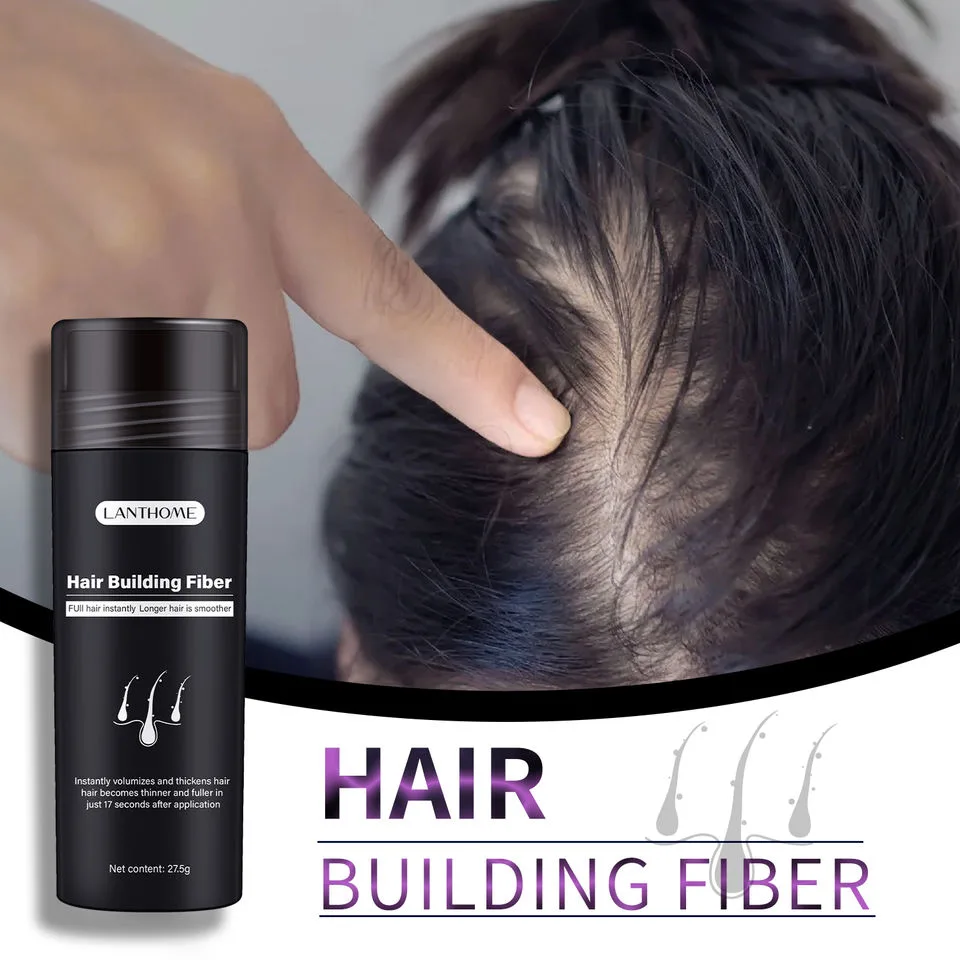
The cover for this guide is a conceptual customer-support planning illustration. The online product photograph is a catalog reference. Neither establishes the project's final contents, directions or performance. Check captions and nearby copy as carefully as the image itself; an accurate photograph can still be paired with wording that makes an unsupported promise.
When planning a first-use visual guide, begin with confirmed directions and the actual approved product version. Ask the responsible team to review whether each visual explains the intended action accurately. Do not substitute a general illustration for missing information about how the customer should operate or apply the offered product.
Give unanswered questions a defined route
Agree which questions the retail support team can answer from approved material and which should be referred to the supplier or another responsible reviewer. The route should identify the question, the product version and the information already available. It should not depend on someone remembering which chat contained the original discussion.
Use a short internal clarification record. Include the customer's question in neutral wording, the relevant item identifier, the answer-bank entry consulted and the unresolved point. Ask for the specific missing information. Avoid collecting unrelated customer details when the question can be clarified through the product reference and a concise description.
If a question concerns a technical or suitability matter that your approved information does not address, keep the response within that limit. Do not guess a cause, give a universal assurance or turn a product question into a diagnosis. Seek the appropriate review and update the answer bank only when the responsible team has provided confirmed information.
Turn repeated questions into useful development feedback
Group recurring questions by the information the customer was trying to find. A repeated identification question may suggest that a product name or variant label needs clarification. A repeated sequence question may indicate that the directions need a clearer transition. Treat these as reasons to review the communication, rather than automatic proof of a product fault.
Keep the original observation separate from your interpretation. Record what was asked, which version it concerned and what the team thinks needs clarification. This helps the supplier respond to the actual issue. A general request to improve the customer experience is harder to act on than a precise question about an unclear term or an inconsistent identifier.
After an answer or document changes, review the connected retail materials. Update the applicable answer-bank entry, public wording and support shortcuts together. Retain earlier versions for context while making the current one easy to find. Do not let an old reply continue to circulate simply because it was convenient to copy.
Assemble the supplier enquiry before finalizing the FAQ
Use the sample request page to organize the product reference and your review questions. State your intended market, channel and customer-support needs, then ask for current specifications, ingredient information, package details and directions for the version being proposed. Identify the difference between a confirmed requirement and a preference you want to discuss.
The LANTHOME contact page offers another route for the project conversation. Ask the team to confirm the proposed quantities and timing rather than writing them into your launch plan as established terms. The catalog listing does not provide a fixed price, a minimum order quantity or a delivery commitment for a customized project.
When comparing this reference with other products in the Hair Styling collection, maintain a separate answer bank for each offered product. Shared branding can make a range coherent, but it does not make the directions or supporting evidence interchangeable. A focused first-use support plan helps each item enter the range with understandable, confirmed information.
Frequently Asked Questions
Which hair fibers reference should I include in an enquiry?
Use Hair Fibers — 27.5g, model LBQ8749-ying20220810 and reference 1600591924297. The current LANTHOME page identifies the Hair Fibers format and invites Private Label / OEM / ODM discussions. Ask for the current sample and specification that apply to your proposed project.
Does the catalog title confirm my customized fill quantity?
The 27.5g wording identifies the current catalog reference. Confirm the quantity and package specification being offered for your own project before approving artwork, ordering details or customer-facing descriptions. Keep that answer tied to the relevant proposed version.
Can I copy use instructions from a catalog image?
Request confirmation that the directions apply to the offered formula and package version, and ask which wording is approved for your project. A catalog image can help identify a question, but it does not replace a current, confirmed instruction record for your brand.
Should customer support promise a particular styling result?
Support replies should remain within approved product information and its supporting basis. Do not infer performance, wear time, resistance or suitability from an image or an internal development preference. Refer unresolved questions to the responsible team instead of improvising a guarantee.
What should be ready before publishing a first-use FAQ?
Prepare the current product identifiers, confirmed specifications, approved directions, an evidence-linked answer bank and a route for unanswered questions. Check that the FAQ, package wording, retail page and support shortcuts describe the same offered version and preserve any unresolved points as open questions.
Related Links
- Hair Fibers — 27.5g- Identify the catalog reference and request current product and project information.
- Private Label Haircare- Discuss your haircare brand concept and project requirements.
- Hair Styling Collection- Explore catalog references for your proposed styling range.
- Haircare Products- Browse the site's current product categories and references.
- How It Works- Review the project development overview before preparing your enquiry.
- Request Samples- Organize your sample request and the questions you need answered.
- About LANTHOME- Read the current company and service information.