
In this guide
- Start with the shopper's choice, not the product count
- Inventory the range using confirmed information
- Define the incremental role as a hypothesis
- Separate format from ingredients and benefits
- Build a role map that exposes overlap
- Decide which distinction matters most
- Confirm application before describing convenience
- Keep sample comparisons tied to the decision
- Plan retail navigation before final artwork
- Review the package as part of the assortment
- Identify the channel information you still need
- Separate commercial questions from the concept decision
- Use a clear go, revise or hold decision
- Send a focused range-extension enquiry
- Frequently Asked Questions
- Related Links
A private label hair wax stick can be a useful subject for a styling-range discussion, but a new format is not automatically a clear reason to add another product. Before developing the retail story, identify the customer task your brand wants to address and the choices its existing range already offers. The range-extension decision should explain what the proposed item would add, which information supports that role and which questions remain open.
LANTHOME lists Wax Stick, model cp-167, in its Hair Styling collection. The page identifies a Wax Stick format and invites Private Label / OEM / ODM enquiries. It asks buyers to discuss formula, product specifications, packaging and branding requirements before confirming a project. Reference 1601635271318 provides an identifiable starting point for your supplier conversation.
The page also asks buyers to describe the styling routine, desired hold, finish, application and removal experience before selecting a format. It does not establish the final ingredients, size, directions or performance of a customized proposal. This guide uses those development questions to build a range-extension brief, without treating a product photograph or a format name as proof of an unconfirmed benefit.
Start with the shopper's choice, not the product count
Describe the decision a shopper currently faces in your styling range. Identify how the brand explains each offered item and what information helps someone choose between them. A collection may have several products while still leaving an important choice unclear. Adding another label does not necessarily resolve that problem.
Write the customer question your team wants to explore with the wax stick proposal. Keep it specific enough to discuss without promising an outcome. The question might concern a different application format, a clearly defined styling task or a gap in how the existing collection is explained. Treat it as a development hypothesis until the actual offered version has been reviewed.
Avoid beginning with a target number of products. The useful question is whether the new proposal creates an understandable choice within the range. A short assortment with clear roles may be easier to explain than a longer assortment whose products all use the same broad description. Your brief should identify the decision the proposed item is meant to improve.
Inventory the range using confirmed information
Create a simple record of the products your brand already offers or has formally approved. Include the product identity, confirmed routine role, approved directions and the principal customer-facing description. Keep concepts that are still under discussion in a separate part of the working record, so they are not mistaken for established products.
Do not map the range through names alone. Two products with different names may be described for a similar task, while products sharing a category can have different confirmed directions. Ask your team to identify what it actually knows about each offered item and where it is relying on an assumption. This prevents an incomplete internal summary from driving the new-product decision.
Use current records for the comparison. Old artwork, an earlier sample or an informal message may no longer describe the offered version. Where a detail is missing, mark it as unknown rather than filling it from a familiar product category. The purpose of the inventory is to expose information gaps before the range becomes more complicated.
Define the incremental role as a hypothesis
Explain what the proposed wax stick would add to that inventory. A useful role statement connects the customer task to the format being explored and identifies what needs confirmation. It should not simply repeat a broad promise that the brand already uses across the collection.
For example, a brand may want to investigate whether a stick-format proposal creates a clearer application choice alongside its existing products. That is a commercial question to review, not proof that this catalog reference is easier to use, more precise or suitable for a particular routine. Ask the supplier which information about the offered version would help assess the proposed distinction.
Keep the role statement short enough that different teams can repeat it consistently. If purchasing, marketing and customer support describe three different reasons for the addition, resolve that difference before asking the supplier for a final proposal. A shared hypothesis makes the sample discussion more focused and helps the brand recognize when the concept needs revision.
Separate format from ingredients and benefits
The source identifies a Wax Stick format. That identification does not establish a particular wax ingredient, a percentage, a formulation system or a styling result. Request the current ingredient list for the offered version before developing ingredient-led positioning or making composition statements.
The same boundary applies to performance language. Do not infer a hold level, finish, wear period, resistance property or removal outcome from the format name. The page invites buyers to describe those priorities as part of the development conversation. Your preferred direction remains a project requirement to discuss until the responsible team confirms what the proposal supports.
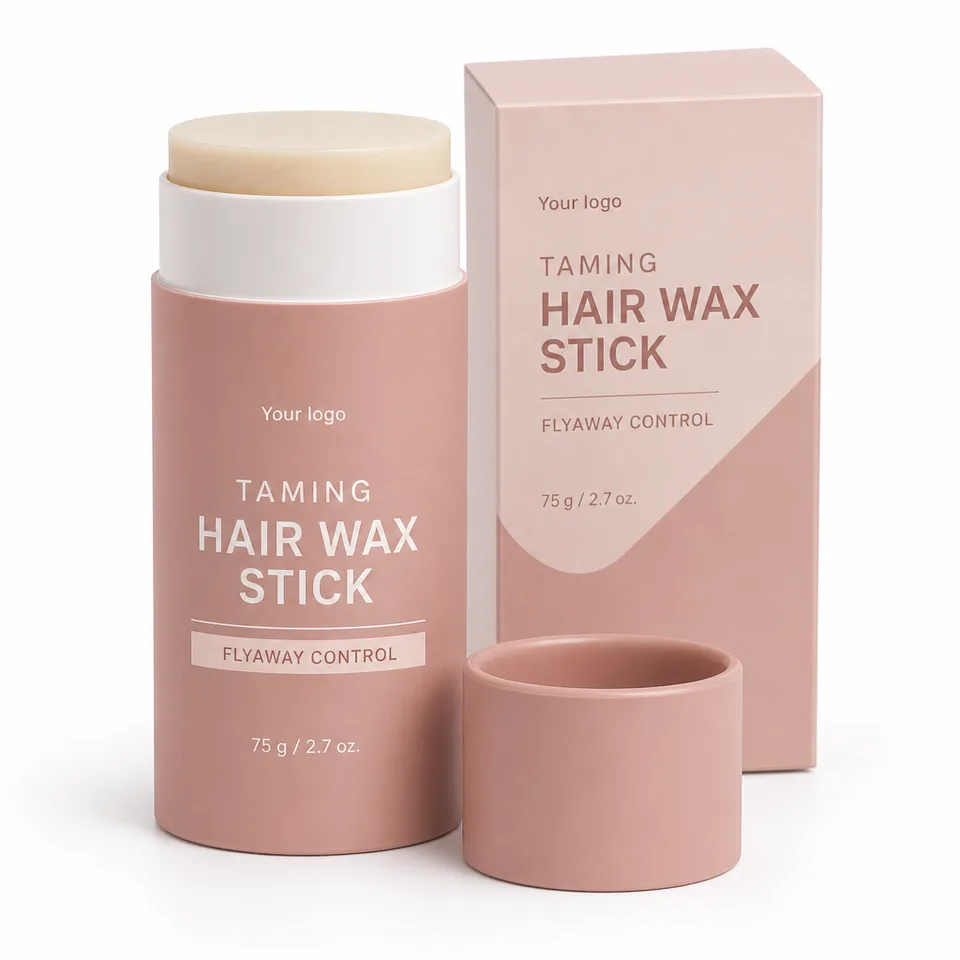
Use the catalog photograph for identification and presentation context. Its printed wording, visible quantity and package arrangement do not automatically define a customized offer. Confirm the actual formula, specification and package combination before using those details in a retail description or ordering record.
Build a role map that exposes overlap
Compare the proposed item with the confirmed range using the same set of questions. The aim is to understand the choice the customer would be making, rather than to rank formats through assumptions about what they normally do. Keep proposed answers distinguishable from approved information.
This worksheet can organize the discussion:
| Decision area | Existing offered products | Wax stick proposal | Question to resolve |
|---|---|---|---|
| Customer task | Current approved explanation | Proposed incremental task | Is the new choice understandable? |
| Routine role | Confirmed place in the routine | Role to discuss with the supplier | What sequence is actually supported? |
| Application | Current directions | Directions requested for cp-167 | Does the format distinction matter to the task? |
| Hold and finish | Approved wording and supporting basis | Desired direction, not an assumed result | What information is needed for comparison? |
| Presentation | Current pack identities | Actual proposed package to confirm | Can customers distinguish the offered items? |
| Commercial status | Current confirmed terms | Open supplier discussion | Which details must be settled before commitment? |
A blank field is useful information. It shows where the team needs clarification before it can explain the range coherently. Do not hide those blanks by giving every product the same generic description.
Decide which distinction matters most
Choose the main reason your team is considering the addition. If the proposal depends on several unconfirmed benefits at once, the review can become difficult to interpret. A clearer brief identifies the primary question and then records secondary preferences separately.
The source page's topics can help structure that conversation: routine, desired hold, finish, application and removal experience. Ask which of those topics is central to the proposed range distinction. Do not assume that a different format must also deliver a different result. The supplier discussion should establish what the actual offered version can support.
Keep the distinction relevant to the intended shopper and channel. An internal technical difference is not necessarily an understandable retail choice. Conversely, a packaging difference may be visually clear while leaving the product role unresolved. Your team's task is to connect the reason for the addition to accurate, confirmed information that customers can understand.
Confirm application before describing convenience
Request the current operating and application directions for the offered formula and package. Do not infer a direct-to-hair method, a required tool, an amount or a particular handling sequence from a picture. A familiar-looking format can still require clarification before the brand writes instructions for its own version.
If your range-extension hypothesis concerns the application experience, explain which questions the sample review should answer. Ask the responsible team how it recommends reviewing those questions under the confirmed directions. A buyer can record observations and preferences without presenting them as proof that one format is universally more convenient.
Be careful with portability and travel language as well. A compact-looking catalog image does not establish the final dimensions, closure behavior or suitability for a particular use setting. If those details matter to the proposed retail role, ask for the relevant specification and supporting information instead of adding an attractive but unconfirmed statement.
Keep sample comparisons tied to the decision
Tell reviewers why the brand is considering the proposal. Give them the current product identifiers, the confirmed directions and the specific range question. Without that context, feedback may drift toward personal preferences that do not help the assortment decision.
Ask reviewers to separate what they observed from what they prefer. A comment about the proposed application experience should identify the sample and the directions followed. A preference should explain how the experience relates to the agreed range hypothesis. Keep unresolved instructions or differences in review conditions visible in the record.
Do not turn informal sample impressions into public claims or a formal performance ranking. If the project needs measured comparisons or evidence for proposed wording, ask the responsible team which evaluation is appropriate. The range-extension brief should identify that need, rather than inventing a test method or treating a worksheet score as substantiation.
Plan retail navigation before final artwork
Draft the explanation a shopper would see when comparing the proposed item with the existing range. Use provisional wording until the product role and directions are confirmed. The exercise should reveal whether the brand can explain the choice without relying on unsupported claims or vague labels.
Look at the category page, product-page introduction and comparison links together. Ask whether each offered item has a clear identity and whether the navigation leads customers to current information. A new product can create confusion if it appears under a new name but receives the same broad explanation as everything beside it.
Keep product names separate from claims and instructions. A name can help organize a range, but it cannot replace the information needed to understand an offered version. Once the project details are confirmed, review the wording across the relevant retail materials so that the shopper encounters a consistent explanation at each step.
Review the package as part of the assortment
Ask which package is actually being proposed for the project. Confirm the container, closure, quantity and any included components before describing the retail contents. Do not assume that a catalog presentation establishes the full customized specification or the operating mechanism.
Consider how the offered package would be identified alongside the current range. The brand may need a clearer naming hierarchy or a visible distinction between products with different roles. Those are presentation questions to discuss after the actual product information is understood, rather than a reason to add an unsupported formula or performance statement.
If the team wants to explore another package option, request the available proposal and its relevant details. Keep each formula-and-package combination identifiable during review. A visually coordinated collection should still make it possible to tell which offered item a sample, artwork file or customer question concerns.
Identify the channel information you still need
Explain where the brand intends to present the proposed item and what that channel requires from the project discussion. A retail listing, a salon conversation and a broader assortment presentation may organize information differently. This does not mean the catalog product has been confirmed for every setting the brand imagines.
Use the channel discussion to identify missing information. The team may need a clearer product-role explanation, confirmed operating directions or the actual package details before it can prepare a coherent presentation. Record those needs against the current proposal rather than copying requirements or promises from another product in the range.
Ask the responsible team to review the final descriptions and artwork for the intended market and channel. This guide does not prescribe regulatory wording or labeling requirements. It recommends bringing accurate, current product information into that review so that a new assortment idea does not become public copy before its underlying details are settled.
Separate commercial questions from the concept decision
A concept can be worth discussing while important commercial details remain unknown. Keep those states separate. The catalog page invites buyers to discuss formula, packaging and quantity and to confirm current timing, but it does not provide a fixed price, minimum order quantity, capacity commitment or delivery date for the customized project.
List the information the brand needs before making a commitment and request it from the team. Keep any proposal linked to the actual specification and package version. Do not transfer terms from another product or an earlier conversation simply because the items belong to the same collection.
Avoid inventing a commercial forecast to justify the new SKU. If the brand has its own verified channel information, it can use that information within its planning process. Where it does not, the brief should identify the uncertainty and the next question. An explicit open issue is more useful than a confident number with no factual basis.
Use a clear go, revise or hold decision
At the end of the discussion, record what the team is deciding and why. A go decision should identify the confirmed direction and any next project steps. A revise decision should state which part of the range hypothesis needs to change. A hold decision should name the unanswered question that prevents a useful commitment.
Do not confuse a preferred sample with a fully approved retail offer. The team may like the proposed direction while still needing confirmed instructions, package information or supporting evidence for a particular description. Keep those conditions visible so that a provisional preference is not repeated later as an unconditional approval.
Retain the earlier notes while making the current conclusion easy to find. A colleague joining the project should understand which version was discussed, what the proposed item would add to the range and which details remain unresolved. That record makes the extension decision easier to explain without turning every internal discussion into a new product promise.
Send a focused range-extension enquiry
Use the sample request page to identify Wax Stick, cp-167 and reference 1601635271318. Explain the confirmed range your brand already offers, the incremental customer task it wants to explore and the main question the sample discussion should answer. Separate defined requirements from preferences that remain open.
You can also contact the LANTHOME team to request current specifications, ingredient information, directions and package details for the offered version. Ask the team to confirm quantities and timing against the actual proposal. This gives the supplier a clearer basis for responding than a request that assumes an entire retail offer from a catalog photograph.
The Hair Styling collection provides other catalog starting points for an assortment conversation. Review each offered reference on its own confirmed information. A useful range extension should create an understandable choice for the brand and its customers, with the reasons for that choice connected to evidence and explicit project decisions.
Frequently Asked Questions
Which wax stick reference should I include in an enquiry?
Use Wax Stick, model cp-167 and reference 1601635271318. The current LANTHOME page identifies the Wax Stick format in the Hair Styling collection and invites Private Label / OEM / ODM discussions. Request the current sample and specification for the proposed project.
Does the stick format establish the ingredients or hold level?
The format name does not establish a complete ingredient list, ingredient percentages or a performance result. Ask for the current formula information and the supporting basis for any proposed hold or finish wording before developing public descriptions.
Should a wax stick replace another styling product in the range?
That is a range-planning question to evaluate against the confirmed role and directions of each offered product. Do not assume replacement, combination or a routine sequence from the format alone. Identify the customer task and ask which information is needed to compare the actual proposals.
Can the catalog image define my customized package?
A catalog image is a presentation reference. Confirm the offered container, closure, quantity and any included components with the team. Do not transfer visible label wording or operating assumptions to a customized proposal without confirmation.
What should be ready before approving the range extension?
Prepare the current product identifiers, an understandable incremental role, confirmed directions and specifications, a clear package proposal and a record of open commercial or evidence questions. Document whether the next decision is to proceed, revise the concept or hold pending clarification.
Related Links
- Wax Stick — cp-167- Identify the wax stick catalog reference and request current project information.
- Private Label Haircare- Discuss the requirements and positioning of your proposed haircare brand.
- Hair Styling Collection- Explore current styling references for a focused assortment discussion.
- Haircare Products- Browse the site's current product categories and individual references.
- How It Works- Review the project development overview before preparing your enquiry.
- Request Samples- Organize your sample request, range hypothesis and open questions.
- About LANTHOME- Read the current company and service information.