
In this guide
- Define the routine role before writing benefits
- Keep dry shampoo and ordinary shampoo roles distinct
- Request the current directions as controlled information
- Translate directions into a first-use sequence
- Treat the package as part of the instruction system
- Build a sample review around observable questions
- Separate observations from launch claims
- Plan the ingredient-information handoff
- Anticipate first-use questions
- Design ecommerce information for scanning
- Review artwork against the physical package
- Connect sample approval to content approval
- Ask commercial questions separately
- Use a proceed, revise or hold decision
- Prepare a focused supplier enquiry
- Frequently Asked Questions
- Related Links
A private label dry shampoo project needs more than a category name and an attractive package. A buyer must be able to explain where the proposed product belongs in a customer's routine, what the confirmed directions require, what the package delivers and which expectations the available evidence can support. Those decisions shape the sample review, artwork, product page, customer-support answers and the final launch decision.
LANTHOME lists Dry Shampoo, reference 1601919800624, with model FAI-DZ B-0164. The page presents it as a dry shampoo reference for a collection and invites Private Label / OEM / ODM enquiries. It asks buyers to review the selected sample, current ingredient information, application instructions and packaging before confirming the project specification.
The source page does not establish the final ingredients, application amount, frequency, package mechanism, fragrance, finish or performance of a customized proposal. It also does not provide test results or a final retail claim set. This guide therefore focuses on the information architecture and buyer decisions needed for a first-use brief. Each product-specific statement should be checked against the current supplier documents and approved sample.
Define the routine role before writing benefits
Start with the customer situation your brand wants the product to address. “Dry shampoo” identifies a format category, but it does not fully describe how a specific proposed product should be used. Your brief should state the intended point in the routine in plain language, then mark that statement as a development hypothesis until directions are confirmed.
Useful questions include:
- Is the product being considered for use between ordinary wash days?
- Is the proposed communication aimed at refreshing the appearance of hair, supporting a styling routine or another clearly defined task?
- What should customers do before application?
- Where should they apply it, and where should they avoid applying it?
- How should they distribute or remove visible product after application?
- When should they return to their normal shampoo-and-rinse routine?
These questions do not assume that reference 1601919800624 performs any particular task. They define the information your team needs before it can make a promise. A precise routine role helps buyers compare samples for the same intended use rather than reacting to an undefined idea of convenience.
Keep dry shampoo and ordinary shampoo roles distinct
Customers may interpret a familiar category name more broadly than the brand intends. Your retail information should make the relationship between the proposed dry shampoo and ordinary cleansing clear. Avoid letting short marketing copy imply that one automatically replaces the other in every situation.
Build a simple routine map with three columns: the customer situation, the approved action and the next expected step. For example, one row might cover the intended time between wash days, another might cover product buildup or discomfort, and another might cover the next ordinary wash. Fill the action column only after the supplier confirms the directions and your team approves the wording.
This routine map serves several teams. Product development uses it to confirm that the sample fits the intended use. Packaging uses it to reserve space for essential instructions. Ecommerce uses it to explain the sequence without exaggeration. Customer support uses it to answer common questions consistently.
Request the current directions as controlled information
Application instructions are a product specification, not decorative copy. Ask for the current directions associated with the exact sample and proposed package. Record the document version, sample identifier and date. If directions change after a formula or package revision, update every downstream asset that uses them.
The first-use brief should seek answers to these points:
1. Preparation: whether the container or hair needs any preparation before use. 2. Distance and location: where the product is applied and any confirmed distance or placement guidance. 3. Quantity: the approved amount or method for controlling application. 4. Distribution: whether the user should wait, massage, brush or take another confirmed step. 5. Completion: how the user knows the application step is complete. 6. Aftercare: any confirmed cleanup, storage or next-routine instruction. 7. Restrictions: the exact warnings or precautions supplied for the proposed product.
Do not infer these details from a photograph, a competitor label or a different dry shampoo. The delivery system and formula can affect the appropriate directions. The final copy should match the offered product and package combination.
Translate directions into a first-use sequence
Once the technical directions are approved, convert them into a sequence a first-time customer can follow. Keep the sequence short enough for the main package while preserving the complete version for the product page or insert when needed.
Test the draft with a person who has not seen the development notes. Ask that reviewer to describe each action back to you. If the reviewer cannot tell how much product to use, where it goes, what happens next or when to stop, the sequence is not yet clear enough.
Use consistent verbs across every surface. If the approved instruction says “apply,” do not switch casually among “spray,” “shake,” “dust” and “mist” unless the package and directions support those verbs. Consistency reduces the chance that marketing copy creates an unintended operating instruction.
Treat the package as part of the instruction system
The package affects what customers can understand and do. The source page asks buyers to review packaging before confirming the project specification, so the brief should connect package questions to the intended routine.
Confirm the proposed container, closure, dispensing mechanism, fill quantity and included components with the supplier. Ask how the package is prepared for first use, whether it has a protective feature and how it should be stored. If the package requires orientation, shaking, unlocking or another action, that step belongs in the approved directions.
Reserve label space before artwork is visually finalized. At minimum, plan for the product identity, net contents, directions, warnings, ingredient declaration and responsible-party information required for the target market. Regulatory and labeling requirements vary, so the responsible reviewer for each market should confirm the final content and placement.
Build a sample review around observable questions
A useful sample review separates observation from interpretation. Reviewers can record what they did and what they noticed without converting a small internal trial into a general performance claim.
Create a worksheet with:
- sample code and receipt date;
- package identifier and condition;
- approved trial directions used;
- hair context recorded in a consistent, non-sensitive way;
- application amount or action taken;
- ease of controlling the package;
- visible product during application;
- fragrance observation using agreed vocabulary;
- feel and appearance observations at defined checkpoints;
- ease of following the instructions;
- unanswered questions and follow-up owner.
Use the same directions and checkpoints for comparable samples. A reviewer who uses an undefined amount on one occasion and a different method on another cannot produce a reliable comparison. The goal is a disciplined product decision, not a consumer-facing claim.
Separate observations from launch claims
Internal comments such as “felt lighter” or “looked refreshed” are observations from a specific review context. They do not by themselves prove that the final product will create the same result for all users. Before turning any theme into public copy, identify the support behind it, the exact wording reviewed and the product version to which it applies.
Create a claim-control table:
| Proposed message | Current support | Decision |
|---|---|---|
| Format identity | Supplier specification and approved product identity | Use when confirmed |
| Routine placement | Approved directions and brand routine map | Use when aligned |
| Sensory description | Controlled sample record and approved wording | Review |
| Performance outcome | Appropriate substantiation for the exact product | Hold until supported |
| Ingredient-led statement | Current ingredient list and applicable review | Hold until confirmed |
This table prevents product-page copy, package copy and sales material from drifting apart. It also makes unresolved evidence questions visible before launch.
Plan the ingredient-information handoff
The product page tells buyers to review current ingredient information and confirm the ingredient list with the team. Request the list for the exact proposed formula rather than relying on visible artwork or a reference image. Record the document date and connect it to the corresponding sample or specification.
Ingredient information supports several tasks: label preparation, market review, retailer documentation, customer questions and internal comparison. It should not be used to invent a benefit merely because an ingredient name seems familiar. Ingredient-led wording needs to match the actual formula and the evidence available for the finished proposal.
If the ingredient list changes, reopen affected approvals. Check artwork, ecommerce copy, translations, retailer forms and customer-support material. A version-controlled handoff is safer than copying text from an old email into several disconnected files.
Anticipate first-use questions
Before launch, draft a practical FAQ based on the confirmed directions and the gaps found during sample review. Common question categories may include where the product fits in a routine, how to prepare the package, how to apply it, what to do after application, how to store it and where to find the ingredient list.
For each answer, record its source. The source may be an approved specification, instruction document, package drawing or reviewed brand policy. If the answer is unknown, create an escalation path instead of improvising.
Customer-support scripts should distinguish general routine guidance from product-specific instructions. A support agent should be able to identify the exact product and package before answering a mechanism or application question.
Design ecommerce information for scanning
The product page should help a buyer or customer understand the product without reading a wall of promotional language. A clear structure can include:
1. A concise statement of the confirmed product identity. 2. The intended routine context in approved language. 3. A numbered use sequence. 4. Package and net-content information. 5. The current ingredient information. 6. Confirmed warnings and storage instructions. 7. A focused FAQ. 8. A route to ask an unanswered question.
Use headings that describe the decision or action. Avoid hiding important directions below lifestyle copy. Images may support recognition, but they should not be the only source of operating information.
Review artwork against the physical package
Flat artwork can appear clear on a large monitor and become difficult to read on the actual container. Review the design on the proposed package at realistic size. Check the main panel, instruction area, ingredient area, warnings, batch or coding space and any seam or curvature that affects legibility.
Confirm that essential text remains readable after printing and assembly. Test the order in which a first-time user encounters the information. If a protective cap or secondary carton changes that sequence, account for it in the information plan.
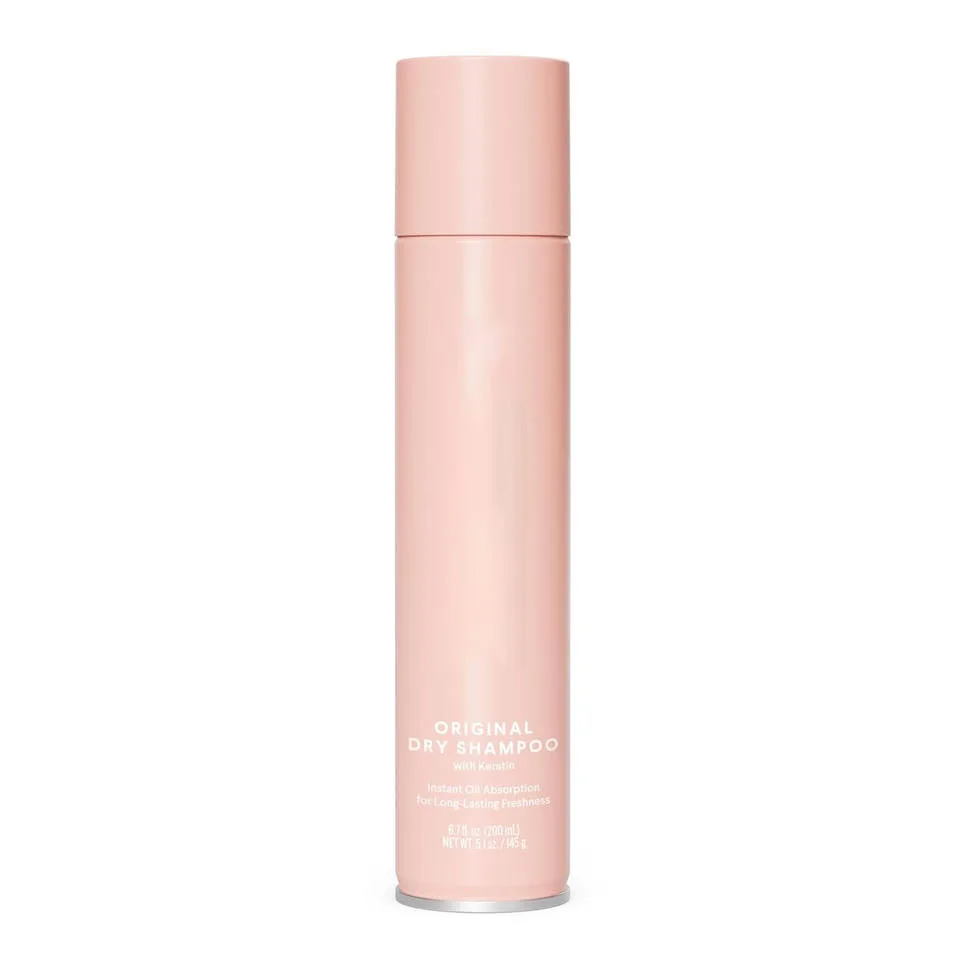
Photographs are catalog references until the offered package is confirmed. Do not copy visible quantities, claims, mechanisms or artwork from an image into the final project specification without written confirmation.
Connect sample approval to content approval
Product approval and content approval should refer to the same version. Use a release record that includes:
- product reference and model;
- sample and formula identifiers;
- package drawing or component identifiers;
- current ingredient-list version;
- approved directions and warnings;
- approved product identity and claim wording;
- artwork revision;
- open issues, owners and due dates;
- final decision and approvers.
If any key input changes, mark which approvals must be reopened. This record reduces the risk of launching approved artwork around an outdated sample or approved sample with mismatched instructions.
Ask commercial questions separately
Quantities and timing are project decisions that the source page asks buyers to confirm with the team. Keep them separate from the product-evidence review so that an attractive commercial proposal does not accidentally close unresolved specification questions.
Ask for the current quantity options, timing assumptions, sample process, artwork requirements and packaging availability for the exact project. Do not publish a price, MOQ, production capacity or lead time until the supplier confirms it for the requested configuration and schedule.
Your enquiry will be easier to answer if it names reference 1601919800624 and model FAI-DZ B-0164, describes the target market and routine role, and lists the documents or samples needed for the next decision.
Use a proceed, revise or hold decision
At the end of review, choose one of three outcomes.
**Proceed** when the proposed role is clear, the current sample and package match the brief, essential directions and information are confirmed, and the remaining work has named owners.
**Revise** when the concept remains useful but the instructions, package, information hierarchy or sample experience needs another iteration.
**Hold** when the team lacks a current specification, ingredient list, directions, package confirmation or support for an important proposed message.
A hold is a controlled decision, not a failed project. It prevents artwork and launch work from advancing ahead of the evidence.
Prepare a focused supplier enquiry
Use the product reference to anchor the conversation. State the proposed routine role as a hypothesis, identify the target market and request the exact information needed for the next decision.
Your enquiry can ask for the current specification, ingredient list, directions, warnings, available package information, sample process, quantity options and timing for reference 1601919800624. It can also explain which first-use questions your brand wants the approved information to answer.
Use Request Samples when you are ready to organize the sample context, or Contact LANTHOME for a broader project discussion. The How It Works page provides an overview of the development pathway.
Frequently Asked Questions
What does the source page confirm about this dry shampoo?
It confirms a Dry Shampoo reference, product number 1601919800624, model FAI-DZ B-0164, the LANTHOME brand and availability for Private Label / OEM / ODM enquiries. It asks buyers to review the selected sample, current ingredient information, application instructions and packaging.
Does the source page confirm how the product should be applied?
No. The page says application instructions should be reviewed, but it does not provide the final amount, distance, frequency, distribution method or aftercare steps. Request the current directions for the exact proposal.
Can a brand describe this product as a replacement for normal shampoo?
The source page does not support that statement. Define the intended routine relationship from confirmed directions and reviewed product information, then use wording that does not create a broader promise.
What should be checked during sample review?
Record the exact sample and package, follow confirmed trial directions, use consistent checkpoints and separate observations from claims. Include instruction clarity, package control and unanswered questions.
Which details should be confirmed before artwork approval?
Confirm the product identity, current specification, ingredient list, directions, warnings, package and net contents, target-market labeling review and approved claim wording. Keep quantity and timing confirmations with the project record.
Related Links
- Dry Shampoo — FAI-DZ B-0164- Review the dry shampoo reference and request the current project information.
- Private Label Haircare- Discuss the requirements and positioning of your proposed haircare brand.
- Shampoo Collection- Explore current shampoo references for a focused collection discussion.
- Haircare Products- Browse the site's current product categories and individual references.
- How It Works- Review the project development overview before preparing your enquiry.
- Request Samples- Organize your sample request, routine hypothesis and open questions.
- About LANTHOME- Read the current company and service information.