
In this guide
Choose between a liquid private label caffeine shampoo and a shampoo bar by starting with the intended washing routine, package interaction, target channel and information your supplier can confirm. A liquid reference may fit a familiar bottle-led routine, while a bar creates different handling, storage and first-purchase questions. Request comparable samples only after defining which customer task and format experience your brand intends to evaluate.
LANTHOME lists Caffeine Shampoo, reference 1601923422692, model FAI-ATYX4130, as a Shampoo format available for Private Label / OEM / ODM enquiries. For a real solid-format comparison, the site also lists Shampoo Bar, reference 1601889830374, model FP-B065. The bar page lists 100g for that catalog reference. Neither page confirms the final customized formula, directions, package or performance.
This comparison is a buying framework, not a claim that one format is generally better. The useful decision is which route creates the clearest product role for your audience and which questions must be answered before samples, artwork and retail copy can be approved.
Product Facts and Confirmation Points
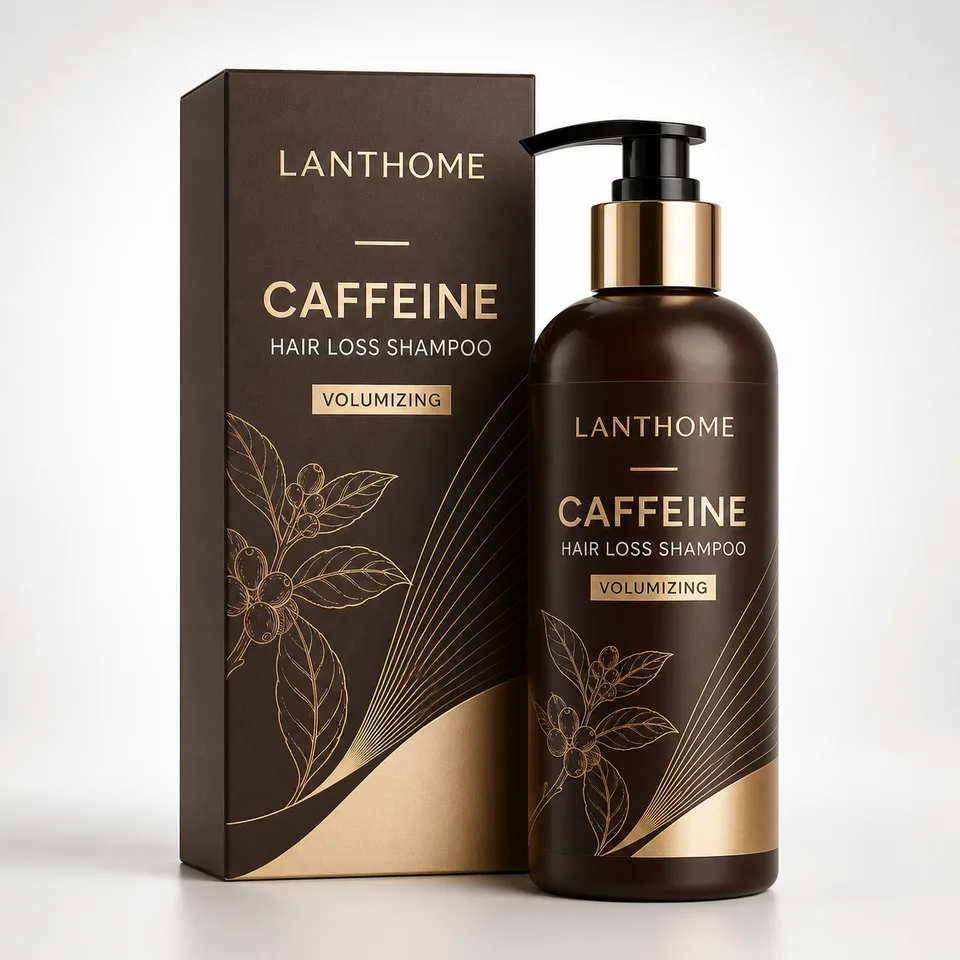
- **Primary identity:** The catalog names reference 1601923422692 “Caffeine Shampoo” and gives model FAI-ATYX4130. Confirm that this exact model is the starting sample for the proposed project.
- **Primary format:** The page identifies a Shampoo format. Confirm the offered formula, current directions and actual bottle or closure before describing the user experience.
- **Comparison identity:** The catalog names reference 1601889830374 “Shampoo Bar,” gives model FP-B065 and lists 100g. Confirm whether that size and presentation apply to the current sample and customized proposal.
- **Service scope:** Both pages invite Private Label / OEM / ODM enquiries. Confirm the development route, artwork responsibilities and available customization for the selected reference.
- **Evaluation topics:** Both pages ask buyers to compare the intended washing routine, rinse experience, fragrance, product format and bottle or bar presentation. Treat these as review topics rather than established results.
- **Documents to request:** Both pages tell buyers to confirm the current specification, ingredient list, packaging, quantities and timing. Request current documents for the exact sample instead of copying information from a catalog image.
- **Evidence gap:** The pages do not establish ingredient percentages, efficacy, test results, certifications, final MOQ, price, capacity or lead time. Keep these items out of public claims until applicable evidence is supplied.
Which Shampoo Format Fits This Project?
Use the same decision dimensions for both routes. That makes the comparison about the intended offer rather than about assumptions attached to a familiar format.
Option 1: Liquid Caffeine Shampoo Reference
- **Routine role:** Evaluate it as a shampoo used within the intended wet-wash routine. Confirm application amount, sequence, contact and rinse directions for the exact sample.
- **Package interaction:** A liquid route normally requires a confirmed container and dispensing system, but the catalog page does not identify the final package. Ask which bottle, closure and fill options belong to the proposal.
- **Evidence needed:** Request the current specification, ingredient list, directions and any support for proposed caffeine-led wording. The product name alone does not establish concentration or performance.
- **Channel questions:** Consider how the intended channel handles bottle size, leakage concerns, instruction space, product imagery and customer expectations. Confirm actual details before final channel copy.
- **Sample decision:** Review formula and package together. A useful sample result should state which package was tested and which directions reviewers followed.
Option 2: Shampoo Bar Reference
- **Routine role:** Evaluate the solid format within a wet-wash routine while confirming how the bar is prepared, applied, distributed, rinsed and stored after use.
- **Package interaction:** The catalog reference lists a bar and 100g, but the final wrap, carton, tray or other presentation is not confirmed. Ask what protects the offered product and carries required information.
- **Evidence needed:** Request the current specification, ingredient list and directions for model FP-B065. Do not assume the bar shares the caffeine direction or formula identity of the liquid reference.
- **Channel questions:** Consider first-purchase education, storage after use, package contents, size communication and how shoppers compare a bar with familiar liquid formats.
- **Sample decision:** Review bar handling and information clarity as well as the wash routine. Keep observations tied to the exact sample and confirmed directions.
The existing guide Private Label Shampoo Bar: Plan First-Purchase Information develops the bar-specific information journey. Use it when the solid route remains on the shortlist; it does not replace product-specific documents.
How to Choose Before Requesting Samples
1. Define the customer and washing situation
Write one sentence describing who the proposed shampoo is for, where it will be sold and how it should fit the intended wash routine. Avoid starting with a desired claim. Begin with the task: a routine step, a preferred format experience and the decision the sample must help you make.
For a hypothetical salon-support channel, the team might value controlled dispensing and familiar back-bar handling. For a hypothetical travel-oriented assortment, it might want to examine storage, transport and first-use education. These are planning examples, not statements about either catalog reference. The supplier still needs to confirm the actual package and product information.
The output of this step is a short evaluation brief with the target market, channel, routine position and one primary format question. If the team cannot state that question clearly, it is too early to request several unrelated samples.
2. Separate ingredient direction from format choice
“Caffeine Shampoo” identifies the primary catalog reference, but it does not disclose a complete ingredient list, amount or substantiated outcome. Decide whether caffeine-led positioning is essential to the project or simply one formula direction to investigate.
If it is essential, request the current ingredient information and evidence relevant to the exact proposed formula. If the format decision is more important, compare format experience first without implying that the bar offers the same ingredient direction. This prevents two decisions—formula positioning and physical format—from being collapsed into one unclear sample request.
The next action is to mark each desired statement as confirmed, needs confirmation or removed from the brief. Only confirmed information should move into artwork or ecommerce copy.
3. Create one shared sample scorecard
Use common observation categories so the two formats can be discussed fairly. Record sample identity, directions used, wash-routine context, application control, fragrance observation, rinse-stage observation, package handling, storage questions and information clarity.
Do not assign invented numerical superiority. A score is useful only when reviewers share definitions and conditions. Written observations can be more helpful during early review because they expose why a format creates a question.
Add format-specific rows without changing the common core. The liquid route may require bottle and dispensing observations. The bar route may require handling and between-use storage observations. The next action is to agree on the scorecard before samples arrive.
4. Request package information with the formula
Formula and package cannot be evaluated as unrelated purchases. For the liquid reference, ask which bottle, closure, dispensing and fill configurations can be discussed for the project. For the bar reference, ask which primary and secondary presentation protects the sample and carries information.
Request drawings, dimensions or component details only when available for the current proposal. Do not infer a package from gallery images. Record the package identifier next to the sample identifier so later feedback remains traceable.
The next action is to reject any review record that says only “liquid sample” or “bar sample.” It should identify which sample and package combination was actually reviewed.
5. Compare information burden before artwork
Each format creates questions that must be answered on the label, product page or support channel. Liquid users may need clear dispensing and amount instructions. First-time bar users may need clear application and storage guidance. The exact content must come from confirmed directions.
Draft the information hierarchy before visual artwork. Put essential identity, directions, warnings, ingredient declaration, net contents and responsible-party information into the target-market review. Then add only supported positioning.
The next action is a content inventory showing what is confirmed, where it appears and who owns each unresolved item. This keeps packaging design from advancing around placeholders that later change.
Supporting Questions for the Buyer Team
Does the channel reward familiarity or explanation?
A familiar package interaction may reduce first-use questions, but that is a channel hypothesis to test, not a universal truth. Review how the target retailer presents shampoo, what shoppers can see before purchase and how much education the product page or staff can provide.
For each route, estimate the information required for a shopper to identify the format, understand its place in the routine and use it as directed. The better route is the one your brand can explain accurately and support consistently.
Is the range extending an existing format or introducing a new one?
An extension should have a clear relationship to current products. If the brand already sells liquid wash care, a new liquid reference might be evaluated for formula positioning or assortment fit. A bar could create a visibly different format choice, but it also introduces separate handling and education questions.
Map current SKUs by customer task, formula direction, format and package. A new item should add a reason to choose rather than duplicate an existing description.
Which decision must the first sample answer?
Do not ask the first sample to prove every future marketing idea. Choose one decision: format fit, routine clarity, package handling, sensory direction or another defined question supported by the sample process.
State the decision before testing and record what would cause the team to proceed, revise or hold. This produces feedback the supplier can act on and prevents the loudest preference from replacing the brief.
Worked Example: Narrowing a Two-Format Shortlist
Consider a hypothetical brand planning one shampoo SKU for an online launch. Its buyer has identified two possible directions: the liquid Caffeine Shampoo reference and the separate Shampoo Bar reference. The brand has not approved either formula, package or claim. Its immediate decision is which sample route deserves a detailed development round.
The team first writes a neutral customer task: provide a clearly explained shampoo step for shoppers who will buy without an in-store demonstration. It then lists the information needed for that task: recognizable product identity, complete directions, storage guidance, package contents and a way to answer first-use questions. This task does not assume that either reference delivers a particular result.
For the liquid route, the buyer asks for the current sample specification, ingredient list, directions and proposed bottle information. The review plan records how the dispensing system is prepared, how reviewers control the amount and whether the package provides enough space for required information. Caffeine-led wording remains on hold until the team receives applicable ingredient information and support.
For the bar route, the buyer requests the same document categories for model FP-B065, plus confirmation of the current listed size and proposed protective presentation. The review plan records how the bar is handled during the wash routine, what confirmed storage directions are needed after use and which first-purchase questions the product page must answer.
The team uses the same core scorecard for both samples: identification, directions followed, wash context, fragrance observation, rinse-stage observation, package handling and information gaps. Format-specific notes sit below that common record. This makes the comparison understandable without pretending that the formulas are equivalent.
After review, the team could reach one of three decisions. It may proceed with the liquid route if the bottle-led routine and available information fit the intended launch. It may proceed with the bar route if the solid-format experience is clear and the brand can support the required education. It may hold both when current documents or package details are missing. No outcome should be presented as an actual LANTHOME customer case; this example simply shows how to turn two catalog references into a controlled buying decision.
The important lesson is that the shortlist becomes useful only when each route answers the same business question. Comparing an unconfirmed caffeine claim with a generic assumption about bars would create noise. Comparing documented routine, package, evidence and information requirements creates a record the buyer can explain and revisit.
Frequently Asked Questions
Does the caffeine shampoo page confirm a caffeine percentage?
No. The live page names the product Caffeine Shampoo and identifies model FAI-ATYX4130, but it does not provide a percentage or complete ingredient list. Request the current ingredient information and applicable evidence for the exact proposed formula before using concentration or performance language.
Is the listed shampoo bar a caffeine shampoo?
The shampoo bar page identifies model FP-B065 and a Shampoo Bar format; it does not identify the product as the same caffeine formula. Treat it as a format comparison and separate product reference. Confirm its ingredients and positioning independently.
Does the 100g bar size apply to a customized project?
The catalog title lists 100g for reference 1601889830374. That is a catalog-stated detail, not automatic confirmation of every customized proposal. Ask the team to confirm the current sample size, available presentation and final project specification.
Which format should a new brand choose?
Choose the route that best matches the intended routine, channel, package experience and information your team can support. Request comparable samples after defining those criteria. The catalog pages do not provide evidence that one format is superior for all brands or users.
What should reviewers record during shampoo sample testing?
Record the exact sample and package, confirmed directions used, wash context, application observations, fragrance and rinse-stage observations, package handling, information gaps and follow-up owner. Keep internal observations separate from consumer-facing claims.
What to Send in Your Inquiry
Send a focused request through the LANTHOME project inquiry and label requested details separately from confirmed requirements.
- **Reference route:** Caffeine Shampoo 1601923422692 / FAI-ATYX4130, Shampoo Bar 1601889830374 / FP-B065, or both for a controlled comparison.
- **Target market and channel:** Country or region, intended retail channel and audience context.
- **Routine brief:** Intended washing step, format preference and the decision the first sample should answer.
- **Documents requested:** Current specification, ingredient list, directions, warnings and available package information for each selected reference.
- **Sample context:** Proposed review method, package configuration to be evaluated and feedback format.
- **Project questions:** Available customization, artwork inputs, quantity options and timing to be confirmed for the current project.
The Shampoo Collection can help identify other same-site references before the enquiry. Keep the shortlist narrow enough that each sample answers a defined buying question.
Related Links
- Caffeine Shampoo — FAI-ATYX4130- Review the liquid shampoo reference and request current project information.
- Shampoo Bar — 100g — FP-B065- Compare a listed solid shampoo format and confirm its current specification.
- Private Label Shampoo Bar: Plan First-Purchase Information- Review buyer information questions that are specific to a shampoo bar.
- Private Label Shampoo Collection- Browse current shampoo references and format directions.
- How It Works- Review the project development pathway before requesting samples.
- Request Haircare Samples- Organize a sample request around a defined comparison.
- About LANTHOME- Read the current company and service information.