
In this guide
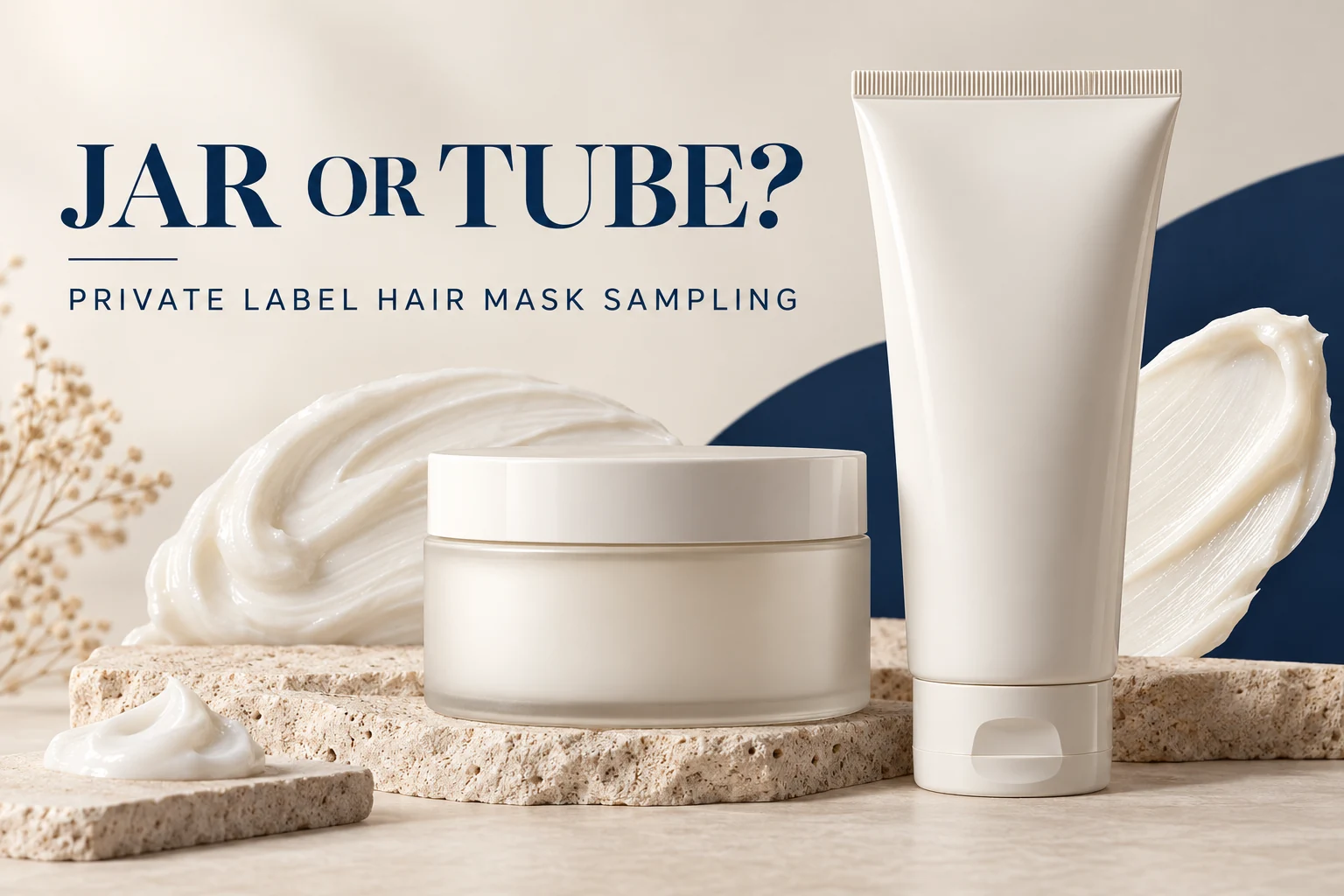
Compare a jar and a tube for a private label keratin collagen cream by reviewing the formula and package as one sample system. A jar can support direct access to a cream, while a tube creates a different dispensing and closure experience. Neither format is automatically better. Choose the route that fits the intended application, channel, label information and review conditions, then confirm the exact package with the supplier before artwork.
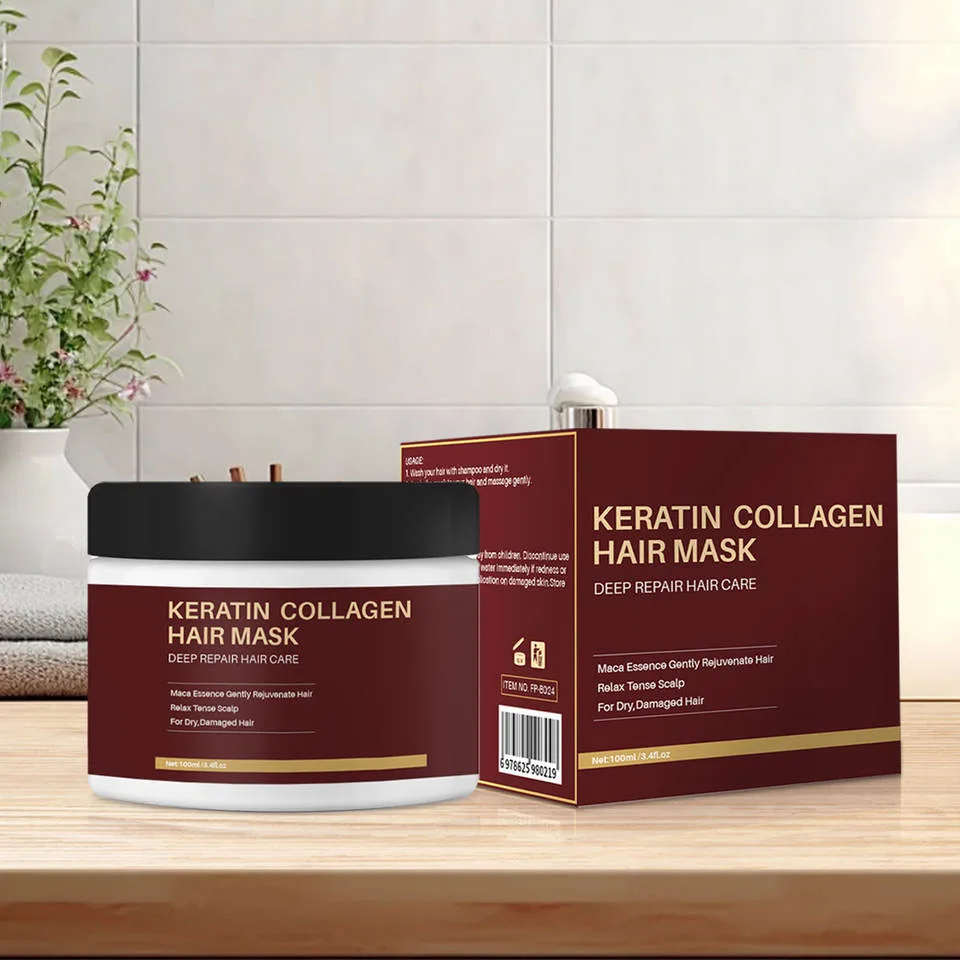
LANTHOME lists Keratin Collagen Cream, reference 1601459956275, model FP-B024, as a cream-format product in the Hair Mask collection. The page asks buyers to compare application time, rinse behavior, texture, and jar or tube dispensing during sample review. It also directs buyers to confirm the current specification, ingredient list, packaging, quantities and timing. The page does not confirm a final jar, tube, fill size, formula, ingredient percentage or performance result.
This guide turns that limited but useful product information into a controlled packaging decision. It does not treat the words “keratin” or “collagen” as proof of an ingredient level or effect. It also does not assume that the gallery package is the package available for a current project. The purpose is to help a buyer request two comparable sample configurations and produce feedback that a product-development team can act on.
Product Facts and Confirmation Points
- **Catalog identity:** The live product page names Keratin Collagen Cream and gives reference 1601459956275 and model FP-B024. Put both identifiers in the inquiry and on every internal sample record.
- **Collection and format:** The page places the reference in Hair Mask and identifies the format as Cream. Confirm the intended rinse-out or leave-in use and the current directions for the exact sample.
- **Evaluation topics:** The page specifically asks buyers to compare application time, rinse behavior, texture, and jar or tube dispensing. These are review subjects, not published performance results.
- **Service route:** The page invites Private Label / OEM / ODM enquiries. Confirm which development route applies to the selected formula and packaging request.
- **Formula gap:** The complete INCI list, ingredient amounts and approved claims are not published on the page. Request current documents before preparing consumer-facing copy.
- **Package gap:** The final container, closure, material, dimensions, decoration area and compatibility status are not stated. Confirm them for each proposed package.
- **Commercial gap:** The page does not establish price, MOQ, production capacity or lead time. Ask for current project-specific terms instead of importing values from another item or an old quotation.
The product name is a practical reference label, but it is not a finished claim file. A buyer should keep three records separate: what the catalog states, what the current sample specification confirms, and what the final approved project documents support. That separation makes later artwork and market review much easier.
Which Package Should Enter the Sample Round?
Use the same comparison dimensions for each route. Review application control, hygiene process, closure handling, label space, shipping and channel questions under defined conditions. Avoid deciding from appearance alone.
Option 1: Jar Sample
- **Access and application:** A jar offers direct access to the cream. Ask how the product should be removed, how much should be applied and whether an accessory is part of the proposal.
- **Closure interaction:** Record how the lid opens, closes and remains secure during the review. Confirm any liner, seal or secondary component rather than assuming one is included.
- **Formula exposure:** The opening and repeated-use process can create package-specific questions. Request the supplier’s compatibility and handling guidance for the exact formula and jar combination.
- **Information area:** Confirm the available label or decoration surfaces on the base, lid and any secondary pack. Do not prepare artwork from a generic jar template.
- **Channel fit:** Consider how the target retailer displays jars, how ecommerce images explain size and use, and whether the intended audience can understand the application step without demonstration.
- **Sample record:** Identify the jar, closure and formula batch or sample code together. Feedback such as “the jar is good” is not traceable without that combination.
A jar route may be worth sampling when the brand wants reviewers to examine direct product access, wide-opening handling and the visual presentation of a cream. That is a planning reason, not evidence that a jar protects or dispenses this formula better. The supplier must confirm the current component and test status.
Option 2: Tube Sample
- **Access and application:** A tube creates a squeeze-and-dispense interaction. Confirm the proposed orifice, closure and directions for controlling the amount.
- **Closure interaction:** Record cap opening, closing, product residue around the outlet and the package position during storage. Keep observations tied to the actual component.
- **Formula movement:** A cream’s dispensing behavior depends on both product and package. Do not infer suitability from the word “cream”; request a filled-package sample when possible.
- **Information area:** Confirm the printable panel, seam and closure clearances before the label hierarchy is designed. A mockup is not a technical drawing.
- **Channel fit:** Review shelf orientation, ecommerce imagery, customer expectations and the amount of instruction needed for the intended market.
- **Sample record:** Identify tube, closure, formula and fill configuration as one system. A different outlet or tube construction may produce a different experience.
A tube route may be worth sampling when controlled dispensing, a narrower opening or a familiar squeeze format is central to the intended customer journey. It still requires current packaging data and compatibility evidence. The catalog page does not declare a tube superior, leak-resistant or easier to use.
**Compare the same questions.**
For both routes, ask: Can the user access an appropriate amount under the confirmed directions? Does the closure remain understandable through the intended routine? Is there enough verified information to design the label? Can the package be represented accurately in the sales channel? Which unresolved issue blocks the next decision?
The Hair Mask Collection provides the relevant category context. The existing Protein Hair Mask sample evaluation guide can help a team build a disciplined formula review. This article adds a narrower packaging decision for the FP-B024 cream reference.
How to Prepare a Jar-versus-Tube Sample Review
1. Define the intended use before choosing components
Write down whether the proposed product is intended to be rinsed out or left in, where it sits in the routine, who applies it and which direction must be confirmed. The product page tells buyers to define application time and rinse behavior, but it does not publish those values. Those details must come from the current sample documents.
The package review should follow the intended use. A team cannot judge access, amount control or instruction space consistently if some reviewers treat the product as a quick conditioner and others treat it as a longer hair-mask step. Before samples ship, create one provisional review protocol based on supplier-confirmed directions. Mark it provisional until the project specification is approved.
The output of this step is a one-page routine statement: intended user, haircare step, rinse status, application method, review environment and questions still awaiting confirmation. This is also the place to remove unsupported benefit language from the brief.
2. Request matched formula samples
If the purpose is to compare packaging, ask whether the same current formula sample can be filled into both proposed formats. If that is not feasible, record the difference clearly. Comparing two packages filled with different formulas can mix texture feedback with package feedback and produce a misleading conclusion.
Request sample identifiers and the date or version of the supporting documents. Ask the supplier to identify the jar, lid, tube and closure proposed for the comparison. Do not refer only to “sample A” and “sample B”; use a key that maps each sample to product model FP-B024, its package configuration and its document set.
The next action is a sample matrix with one row per formula-and-package system. Include what is the same, what differs and which decision the system is meant to answer.
3. Build a shared observation form
Create common fields for both samples: sample identity, confirmed directions used, review date, application amount method, texture observation, application-time observation, rinse-stage observation, closure handling, visible residue, package stability during use, instruction clarity and unanswered questions.
Use descriptive language before scores. “Reviewer needed two attempts to close the cap after use under the stated method” is more actionable than “closure score: 3.” If numeric ratings are useful later, define every level and keep conditions consistent. Internal observations are development records; they are not consumer claims.
Add a space for contradictions. If the label mockup, sample instruction sheet and verbal guidance do not match, stop the comparison and request clarification. A polished scorecard cannot repair inconsistent directions.
4. Review package and formula together
Run the review with the actual filled sample when available. Empty-package handling can reveal basic ergonomics, but it cannot show how the cream dispenses, leaves residue or interacts with the closure. Keep empty-pack observations separate from filled-pack observations.
For the jar, record lid handling, access method and how the confirmed application amount is taken. For the tube, record the pressure needed to dispense, amount control and closure condition after use. Avoid making microbial, barrier, leakage or shelf-life claims from a small internal handling review. Those questions require applicable technical evidence from the supplier and package partners.
Photograph each sample under the same internal review setup if your process allows it. Label the images with sample identifiers and dates. Do not reuse internal review images as public performance evidence without separate approval.
5. Test the information hierarchy
List every piece of information that the final package may need for the target market: product identity, net contents, directions, warnings, ingredient declaration, responsible-party information, traceability and any approved claims. Market-specific requirements need review by qualified parties; this checklist is a planning tool.
Place the information on preliminary jar and tube dielines only after the supplier confirms dimensions and decoration areas. Check readability at actual size. Review whether essential directions are split awkwardly between components or pushed into an insert that the proposed channel may not display clearly.
The decision is not which mockup looks more premium. It is whether the package can carry accurate, legible and complete information while supporting the intended use. Record missing inputs before artwork approval.
6. Decide proceed, revise or hold
Use three decision states. **Proceed** means the package route answers the current question and the required inputs are available for the next stage. **Revise** means a specific component, direction or information issue needs another sample. **Hold** means evidence or project terms are too incomplete to make a responsible choice.
Document the reason, owner and next action. “Proceed with tube” should be followed by the exact component identifier, sample record and outstanding confirmations. “Revise jar” should name the closure, access or label-space question. “Hold” should identify the missing specification, ingredient information, package drawing or commercial term.
This discipline prevents an attractive render from being mistaken for an approved pack. It also makes supplier follow-up shorter because the team can ask for a defined change.
A Worked Buyer Scenario
Consider a hypothetical online haircare brand planning one cream-format mask. The buyer selects FP-B024 as a product reference because the live catalog identifies it as Keratin Collagen Cream in the Hair Mask collection. The team has not approved a formula, ingredients, claims, pack size or commercial terms.
Its target question is narrow: should the first detailed development round use a jar or a tube? The team defines an ecommerce customer who will read the product page and use the item at home. It asks the supplier for current directions, ingredient information, the formula sample specification and two package proposals that can be meaningfully compared.
The jar review focuses on lid handling, direct access, how the confirmed amount is taken, where directions appear and how the package is represented in images. The tube review focuses on amount control, outlet and cap handling, residue around the closure, printable panel and product-page explanation. Both reviews use the same formula where possible and the same common observation form.
During review, the team refuses to convert texture or rinse observations into public claims. It records what happened under the stated internal conditions and asks follow-up questions. If the samples use different formula versions, the buyer labels that limitation and does not declare a package winner from those observations alone.
The team then maps the confirmed content to preliminary information layouts. If the jar offers attractive presentation but lacks confirmed component drawings, it remains under review. If the tube dispenses acceptably but the proposed label area cannot hold required text legibly, it requires revision. If both packages lack compatibility evidence, both remain on hold despite favorable handling feedback.
This example is not a customer case or an outcome for FP-B024. It shows how a buyer can reduce an open-ended packaging discussion to one controlled decision. The result is a traceable brief, not a claim that one package is universally better.
Questions to Resolve Before Artwork
What does the product name actually support?
The page supports the catalog identity “Keratin Collagen Cream” and model FP-B024. It does not publish a complete INCI list, ingredient levels or substantiated performance. Ask for the current formula documents and claim support before using ingredient-led promises. A catalog name is not a substitute for market-ready evidence.
Which component data should the buyer request?
Ask for the proposed container and closure identifiers, dimensions, material information available for the project, decoration area, fill configuration and applicable compatibility or transport documentation. The exact set depends on project stage. Record missing fields rather than filling them from a generic package listing.
Should the team choose package size first?
Size belongs in the system decision with formula, application amount, routine frequency, channel, label information and current commercial options. The live product page does not state a size for FP-B024. Request current options and evaluate them against the project brief instead of assuming a standard hair-mask fill.
Can gallery images be used for final artwork?
Use gallery images to identify the catalog reference, not as proof of the final package. Final artwork needs current component drawings, confirmed dimensions and the approved decoration method. Ask whether the pictured pack is included in the proposal and whether any visible details have changed.
Frequently Asked Questions
Is FP-B024 confirmed as a rinse-out hair mask?
The page places the product in the Hair Mask collection and tells buyers to define application time and rinse behavior, but it does not publish final directions. Confirm rinse-out or leave-in use and the complete directions for the exact sample before preparing instructions or conducting a comparison.
Does “keratin collagen” prove a formula benefit?
No. The catalog name does not disclose the full ingredient list, ingredient amounts or performance evidence. Request current documentation and support for any proposed statement. Keep the public copy limited to approved facts for the final formula and target market.
Is a jar more suitable for a thick cream?
That cannot be concluded from the page or from the word “cream.” Evaluate the actual formula in the proposed jar and tube systems. Dispensing behavior, residue, closure interaction and compatibility depend on the specific combination, not a generic format rule.
Can an empty package decide the sample route?
An empty package can support an early handling and label-space review, but it cannot show filled-product dispensing or formula-package interaction. Label the evidence correctly and request a filled sample before making decisions that depend on product movement or residue.
What should be identical in the comparison?
Keep the formula version, directions, review conditions and core observation fields the same where possible. Record any unavoidable difference. The goal is to identify packaging effects without confusing them with formula, instruction or reviewer changes.
What to Send in Your Inquiry
Use the LANTHOME project inquiry or sample request form with a concise, traceable brief:
- **Product reference:** Keratin Collagen Cream, reference 1601459956275, model FP-B024.
- **Target market and channel:** Country or region, intended sales channel and audience context.
- **Intended routine:** Proposed haircare step and the rinse-out or leave-in direction that needs confirmation.
- **Sample request:** Jar, tube or both; state whether a matched-formula comparison is required.
- **Package questions:** Current component options, closures, dimensions, decoration area and available technical information.
- **Formula documents:** Current specification, ingredient list, directions, warnings and support for proposed claims.
- **Project terms to confirm:** Customization route, artwork responsibilities, quantity options, pricing and timing for the current proposal.
A good inquiry distinguishes requirements from questions. “Tube is mandatory” is a requirement. “Please confirm available tube and closure options” is a question. “Keratin repairs damage” should not appear unless the exact wording is supported and approved for the final project.
Related Links
- Keratin Collagen Cream · FP-B024- Review the exact cream-format hair mask reference used in this packaging brief.
- Hair Mask Collection- Browse the current same-site treatment and mask references.
- Scalp Mask · FAI-ATYX5128- Compare another mask-category reference without assuming formula equivalence.
- Private Label Protein Hair Mask: A Sample Evaluation Guide- Build a structured formula and sample-review record.
- How It Works- Review private label, semi-custom and custom project pathways.
- Request Haircare Samples- Organize a sample request around the selected product and package question.
- Contact LANTHOME- Send the product reference, target market and confirmation list to the project team.