
In this guide
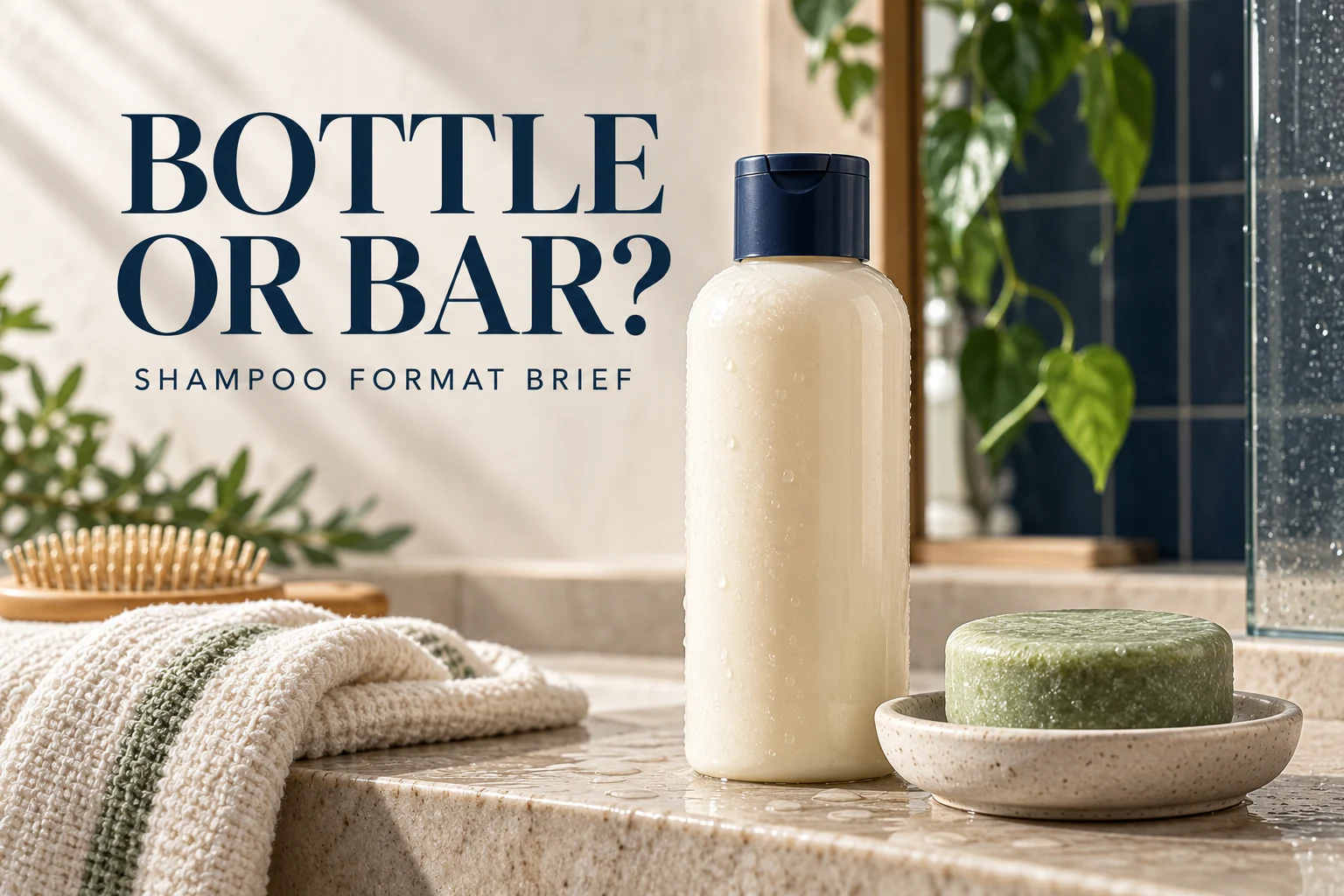
Choose a shampoo bar or liquid shampoo by the routine, package handling, instruction burden and sample evidence your brand can support. A bar is a distinct format, not a concentrated-looking substitute for any liquid formula. First confirm the exact liquid specification and directions, then compare it with a separately identified bar reference under consistent, format-appropriate review conditions.
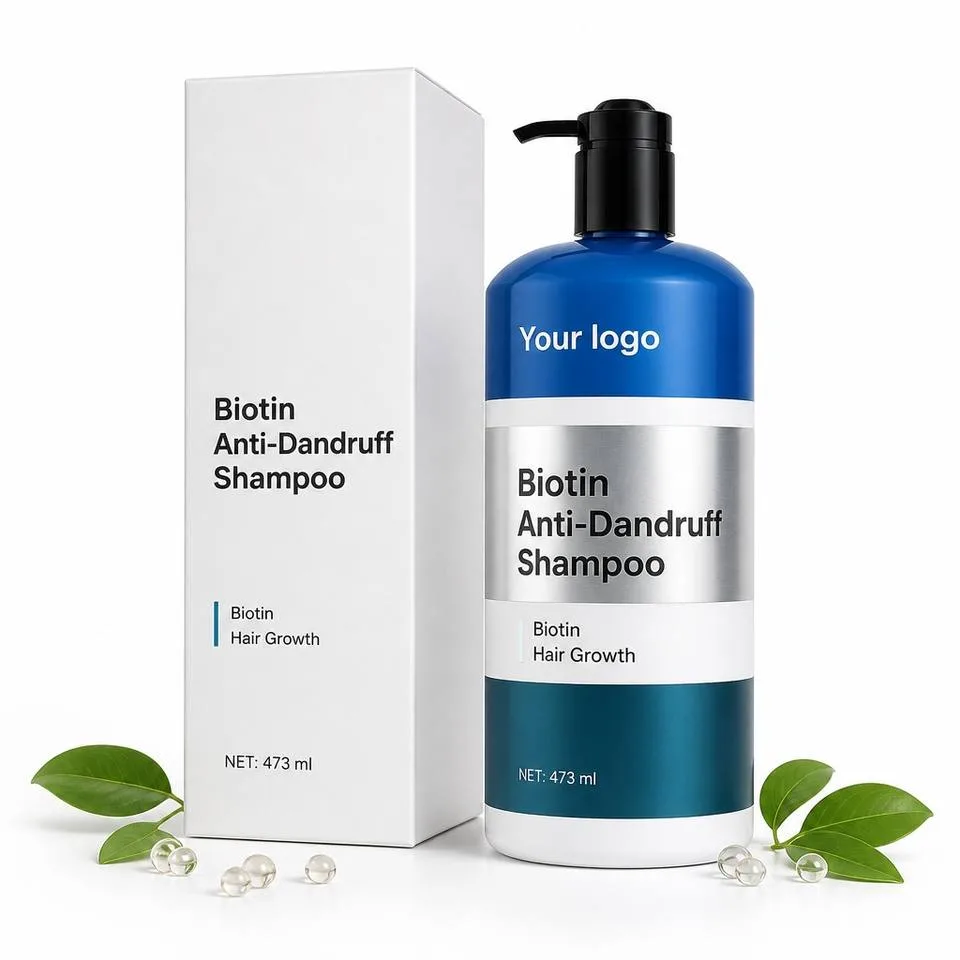
LANTHOME lists Biotin Shampoo, reference 1601928053568, model FAI-ATYX0040, as a Shampoo reference available for Private Label / OEM / ODM enquiries. The live page asks buyers to review the selected sample, current ingredient information, application instructions and packaging, and also prompts comparison of washing routine, rinse experience, fragrance, format and bottle or bar presentation. It also directs buyers to confirm the current specification, ingredient list, packaging, quantities and timing. The page does not publish a full INCI list, net weight, final directions, measured results or commercial terms.
This guide treats format selection as a project decision. It does not assume that the bar and a liquid reference share a formula, ingredients, use amount or performance. It gives procurement and brand teams a practical way to request comparable information, observe each sample fairly and prepare an inquiry that can lead to a clear go, revise or hold decision.
Product Facts and Confirmation Points
- **Catalog identity:** The page identifies Biotin Shampoo, reference 1601928053568, model FAI-ATYX0040. Put both identifiers on the request, sample label and feedback sheet.
- **Format:** The catalog states Shampoo. It does not publish the final fill size, package component or whether a matched bar version is available.
- **Project scope:** The page accepts Private Label / OEM / ODM enquiries and asks buyers to discuss formula, packaging and branding requirements. Confirm which development pathway applies to the proposed project.
- **Routine inputs:** The page asks buyers to compare the washing routine, rinse experience, fragrance, format and presentation. These are briefing prompts, not confirmed directions or results.
- **Packaging input:** Packaging format is a stated discussion point. The displayed product image is a catalog reference and does not establish the final primary or secondary pack.
- **Formula gap:** “Biotin” is part of the product name. The page does not publish the complete ingredient list, ingredient identity, origin, percentage or substantiation for an ingredient-related claim.
- **Commercial gap:** MOQ, price, capacity and lead time are not published. Request current terms for the chosen formula, pack, artwork and quantity rather than copying assumptions from another project.
Keep three records separate. The catalog record identifies what you found. The project specification defines the sample actually supplied. The approval record states what the brand accepted for production. If the model, formula version, package or directions change, the feedback and approval must point to the new revision.
Which Shampoo Format Fits the Project?
Compare the formats on matching business questions while allowing different use methods. A fair comparison does not force the same amount or handling steps onto unlike formats.
Option 1: Shampoo Bar Route
- **Routine position:** Confirm the confirmed wash sequence, application area, rinse step and what happens after cleansing. Do not infer use from its solid appearance.
- **Handling and amount:** Ask for supplier-confirmed directions that explain wetting, contact method, application area and amount guidance. A test team should record the method used rather than inventing a universal number of passes.
- **Package interaction:** Review how the proposed pack protects and identifies the product before first use, then ask how the bar should be stored between uses. Wet-use storage instructions must come from the approved project information.
- **Information burden:** The label and support content may need to explain a format that some shoppers have not used before. Clear directions, storage wording and product identification become part of the buying decision.
- **Evidence needed:** Request the current specification, complete ingredient list, confirmed directions, package proposal and support for every intended claim. Sample preference alone cannot prove performance or shelf life.
A bar route can be considered when the brand is ready to explain bar use and manage the selected package system. The decision should follow the exact sample and documents, not a general belief that every solid format has the same environmental, travel or longevity characteristics.
Option 2: Liquid Shampoo Route
- **Routine position:** Select a separately identified liquid reference and confirm the confirmed wash and rinse sequence. The liquid route must have its own directions and formula record.
- **Handling and amount:** Review dispensing from the proposed component and record the amount method used in testing. Do not translate bar passes into an assumed liquid volume.
- **Package interaction:** Evaluate closure operation, amount control, wet-hand handling, label area and storage for the actual bottle, tube, pump or other confirmed component.
- **Information burden:** Shoppers may recognize the format, but the brand still needs explicit directions, warnings and product-specific support. Familiarity does not replace approved information.
- **Evidence needed:** Request the liquid sample identifier, specification, ingredient list, directions, package details and claim support. Do not treat a visual or sensory comparison as formula equivalence.
The liquid route may suit an assortment or usage pattern already built around a dispensed product. That is a portfolio decision, not proof that the formula will be easier to approve. Packaging compatibility, directions and evidence still require project review.
Build a Format Decision Before Sampling
1. Define the customer task
Write one sentence describing the routine problem the product should address without promising an outcome. Include the intended user context, application stage and what the shopper needs to understand at first use. “Add a shampoo format after the confirmed wash step” is more useful for briefing than “launch an innovative biotin solution.” The first statement can be checked against directions and packaging; the second mixes positioning with an unsupported claim.
Also decide whether the brand is replacing an existing SKU, adding a second format or testing a new category. A replacement requires continuity questions. A range extension requires a distinct role. A new category requires more instruction and support planning. This context prevents the sample team from selecting a favorite texture without answering the commercial purpose.
2. Request two traceable proposals
Ask the supplier whether FAI-ATYX0040 is available for the intended routine and request its current information. If a liquid comparison is required, name a real liquid reference separately. The Private Label Shampoo Bar: Plan First-Purchase Information explains first-use information and storage questions for a bar offer; it does not establish equivalence with this bar.
For each proposal, record model, sample or formula revision, package component, directions version and document date. A comparison labelled only “bar versus bottle” is too weak for approval because the contents, routine and pack can change independently. Traceability lets procurement return to the exact proposal when feedback or artwork questions arise.
3. Separate non-negotiables from preferences
Non-negotiables are conditions the project must meet before subjective review: target market, confirmed routine, required documentation, package constraints, artwork language and the brand's evidence rules. Preferences include fragrance direction, visual style, hand feel and presentation choices that remain open for discussion. Do not promote a preference into a technical claim.
This separation also improves supplier communication. If an available sample conflicts with a mandatory routine or target-market information requirement, place it on hold before running a large internal review. If it meets the mandatory brief but differs from a preference, record the difference and ask whether revision is possible.
4. Design format-appropriate use records
Give reviewers the approved directions for each exact sample. Record starting hair condition in practical, non-medical terms, application area, amount method, sequence, water context where relevant, package handling and observations. Use the same feedback categories when they make sense, but do not force identical application steps.
For a bar, the record might note how the reviewer followed the confirmed wetting and contact directions and handled the storage component afterward. For a liquid, it might note how the proposed closure dispensed the product. These are observations about a sample system. They are not validated consumer claims, compatibility results or proof of production consistency.
5. Review product and package as one proposal
The formula cannot be approved in isolation if the intended package changes use. Confirm the actual primary pack, secondary pack if any, labeling area and any component that contacts or stores the product. Ask which elements are samples, stock references or final proposals. Images help discussion, but only the documented proposal should enter the approval record.
For the bar route, include first-use protection, identification and between-use handling in the review. For the liquid route, include dispensing control, closure and label readability. Do not state that one format uses less packaging or travels better unless the actual pack configuration and support are available for that claim.
6. Build the information architecture
Draft a hierarchy before final artwork: product identity, what the format is, confirmed directions, storage wording, warnings, ingredient declaration and required market information. Then add supported brand positioning. The bar may need more visible education because customers cannot rely on a familiar bottle interaction. The liquid still needs clear directions and must not hide important information behind assumed familiarity.
Use consistent wording across the primary pack, carton or wrap, product page, FAQ and customer support script. If directions or storage instructions change during development, update all affected surfaces and record the revision. A strong launch brief reduces contradictions between packaging and digital content.
7. Audit claims against available evidence
List every phrase proposed for the name, front panel, product page and sales material. Mark whether it is catalog identity, an approved specification fact, a supported claim or an open marketing idea. “Shampoo” is supported as the catalog format. Statements about composition, waste reduction, longevity, travel suitability, cleansing performance or ingredient benefits need current applicable support before use.
If the evidence package is not ready, remove or hold the claim rather than converting a sample observation into proof. Ask what documentation can be supplied for the exact formula and package. Target-market review may also be required before artwork approval; this guide does not establish regulatory compliance.
8. Make a go, revise or hold decision
Use a short decision record. “Go” means the selected format and revision meet the defined brief and required information is available for the next stage. “Revise” names a specific change, such as directions clarity, package component or artwork hierarchy, and identifies the new evidence needed. “Hold” records the unresolved dependency without implying rejection of the whole category.
Avoid selecting a format through a vote with no rationale. Summarize the customer task, approved sample identifier, package proposal, information requirements, claim boundaries and remaining commercial questions. That record gives sourcing, design and sales teams one reference when requesting quotation or preparing the next sample round.
Worked Briefing Example
Consider a hypothetical brand deciding whether to add a shampoo bar beside its liquid wash products. The team first states the task: test a clearly instructed shampoo format for a defined wash and rinse routine. It asks whether FAI-ATYX0040 is available for that route and requests the current specification, ingredient list, directions and package proposal. It also selects a separately identified liquid shampoo only as a format comparison.
The reviewers receive different use sheets because the application mechanics differ. They record clarity of directions, package handling, application method and observations without assigning unsupported scores. The design team drafts information hierarchies for both routes. Procurement requests current quantity, price and timing options only after the proposal is defined. The team chooses “revise” for any proposal with unclear storage wording and “hold” for any intended claim without applicable support.
This example is a planning method, not an actual customer case or test result. Its value is the sequence: define the task, identify the exact proposals, collect documents, observe consistently, resolve information gaps and then discuss commercial terms.
Frequently Asked Questions
Is a shampoo bar automatically more concentrated than liquid shampoo?
No conclusion about concentration can be made from the format name. The live page identifies FAI-ATYX0040 as a Shampoo Bar but does not publish formula composition or comparative concentration. Request the current specification and full ingredient information for each exact proposal. Compare approved use directions and evidence rather than converting physical form into an efficacy or concentration claim.
Does “Biotin” confirm the ingredient list or percentage?
No. It is part of the catalog product name, but the page does not publish the complete INCI list, ingredient identity, origin or percentage. Ask for current project documentation and review proposed ingredient wording against that evidence. Do not infer composition or benefits from the title or product imagery.
Should the bar and liquid be tested with the same amount?
Use the supplier-confirmed directions for each sample. Identical amounts may be inappropriate because the forms and application methods differ. Record the amount method and any deviation for each reviewer. The goal is traceable, format-appropriate feedback, not an artificial one-to-one conversion between passes, grams, pumps or volume.
What packaging details should be confirmed for a shampoo bar?
Confirm the actual primary and secondary package proposal, product identification, label area, first-use protection and approved between-use storage information. Ask which displayed items are references and which are included in the quotation. Do not assume the catalog image is the final pack or make sustainability and travel claims without evidence for the selected configuration.
Can the buyer approve claims after a favorable sample review?
A favorable internal observation can guide development, but it is not automatically claim substantiation. List the intended claims and request applicable support for the exact formula, directions and package. Keep reviewer notes separate from approved artwork and public copy. Resolve target-market and documentation requirements before final approval.
What to Send in Your Inquiry
- **Product reference:** Biotin Shampoo, reference 1601928053568, model FAI-ATYX0040.
- **Project role:** Replacement, range extension or new category, with the customer task stated in one sentence.
- **Routine request:** Intended wash and rinse routine, subject to confirmation for the exact proposed sample.
- **Comparison request:** A separately identified liquid shampoo only if a format comparison is needed.
- **Market and channel:** Target country or region, intended audience context and sales channel.
- **Package brief:** Desired primary and secondary format, label area needs and questions about use or storage.
- **Documents and claims:** Current specification, complete ingredient list, confirmed directions, warnings and support requested for intended claims.
- **Commercial questions:** Customization pathway, artwork inputs, quantity options, current pricing and timing for the defined proposal.
Send the traceable brief through the LANTHOME contact form or organize a controlled request through the sample form. Ask for current answers tied to the selected model, formula revision and package rather than general assurances about the category.
Related Links
- Biotin Shampoo · FAI-ATYX0040- Review the exact shampoo reference used in this format brief.
- Rice Water Shampoo Bar · SWX-186- Review a separately listed bar-format reference without assuming formula equivalence.
- Shampoo Collection- Browse current shampoo references and formats.
- Private Label Shampoo Bar: Plan First-Purchase Information- Plan first-use information and storage questions for a shampoo-bar offer.
- How It Works- Review private label, semi-custom and custom project pathways.
- Request Haircare Samples- Organize a traceable sample request around one decision.
- Contact LANTHOME- Send model, market, package and documentation questions.