

In this guide
A private label scalp mask should be sampled against a written use protocol before a buyer chooses jar or tube packaging. First define where the product is applied, whether hair length is included, the supplier-confirmed contact time, how rinsing is evaluated and which texture observations matter. Then test the exact formula in the proposed container. Without that sequence, reviewers may judge different amounts, zones and rinse conditions while believing they reviewed the same product.
LANTHOME presents Scalp Mask, reference 1601928014795, model FAI-ATYX5128, as a scalp-mask reference available for Private Label / OEM / ODM discussions. The page asks buyers to review the selected sample, current ingredient information, application instructions and packaging. It specifically suggests comparing application time, rinse behavior, texture and jar-or-tube dispensing. It does not publish a complete ingredient list, directions, contact time, amount, net content, claims, final package or commercial terms.
That limited catalog identity is enough to organize a useful buyer review, but not enough to write the directions or promise an outcome. This guide treats the formula, protocol and dispenser as three controlled parts of one use system. The generated cover and source photographs are references, not proof that either a jar or tube is the final package.
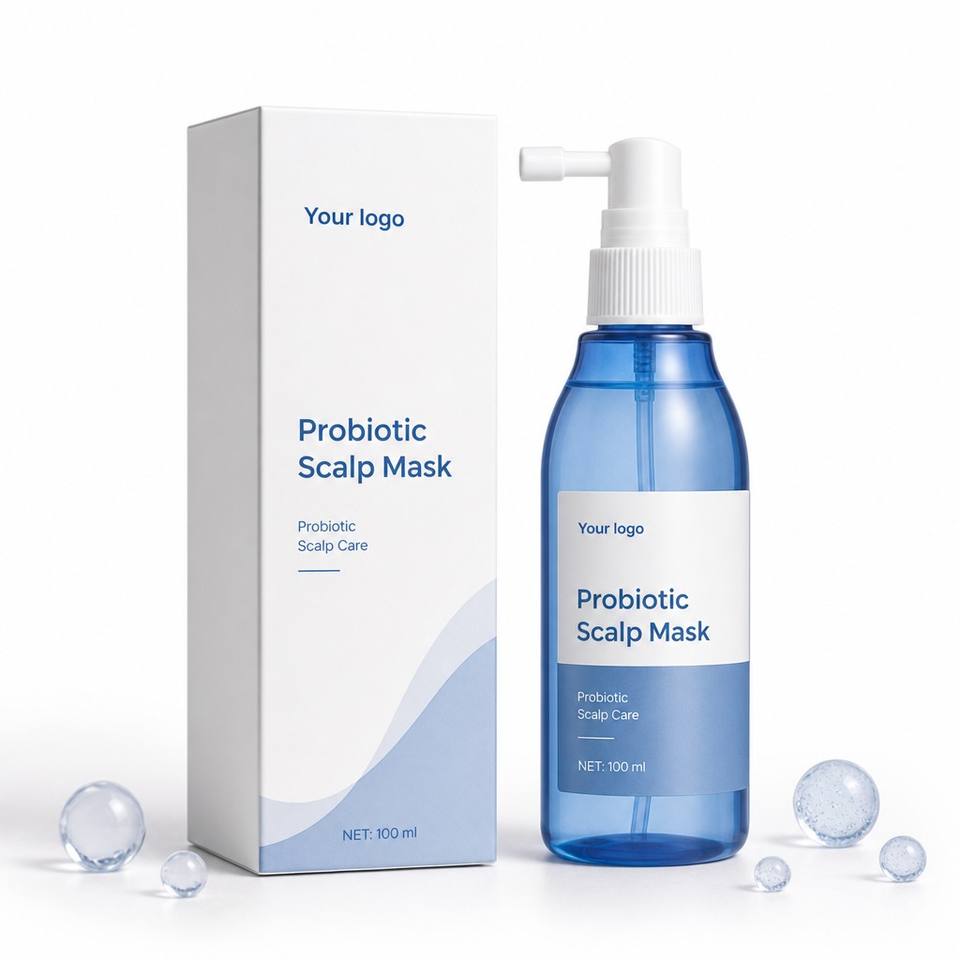
Product Facts and Confirmation Points
- Catalog identity: The page identifies Scalp Mask, reference 1601928014795, model FAI-ATYX5128. Use both identifiers on the inquiry, sample label and review record.
- Format: The stated format is a scalp mask. The page does not define whether application is scalp-only, scalp-and-root or another confirmed zone.
- Review cues: Application time, rinse behavior, texture and jar-or-tube dispensing are named as sample-review questions, not established performance results.
- Ingredient status: Buyers are asked to review current ingredient information. A complete INCI list, ingredient levels and formula specification are not published.
- Directions gap: Amount, sectioning method, wet-or-dry starting condition, contact time, rinse method, frequency, warnings and storage are not published.
- Package gap: Jar and tube are comparison options, but the final container, fill, closure, decoration, compatibility and label area are not specified.
- Service scope: Private Label / OEM / ODM is stated. Quantity, price, capacity and timing must still be confirmed for the exact formula-package proposal.
Build the review around identifiers rather than appearance. A complete record should name the catalog reference, formula or sample revision, direction version, container and closure codes, artwork revision, review date and conditions. “White scalp mask in a jar” is not a traceable approval because another sample may look similar while using a different formula, fill or instruction.
Which Container Route Fits the Protocol?
Jar and tube can both be considered, but neither is automatically better. The right comparison begins with the confirmed use method, formula behavior and channel requirements. Compare the same dimensions and record unresolved questions instead of assigning a winner based on a mockup.
Option 1: Jar Route
- Product access: The user opens a wide container and removes product by the confirmed method; determine whether a tool, hand contact or another approach is intended.
- Protocol fit: Review whether the proposed amount can be accessed and distributed across the defined scalp zones under the confirmed directions.
- Formula interaction: Request compatibility information for the exact jar, liner or seal, closure and formula rather than assuming a wide opening is suitable.
- Information space: Confirm whether the jar and secondary pack provide enough readable area for identity, directions, warnings and required information.
- Review risk: Different reviewers may remove very different amounts if the protocol lacks an amount method.
- Best fit question: Does the intended routine benefit from wide access enough to justify the package-control and hygiene questions that need resolution?
A jar can make texture visible and product access straightforward, but those are not automatic benefits for every formula or audience. Do not claim convenience, hygiene, premium quality, recyclability or compatibility from the format alone. If a spatula or applicator is proposed, treat it as another defined component rather than an assumed inclusion.
Option 2: Tube Route
- Product access: The user dispenses through an orifice; define the closure, opening, amount method and whether the formula exits consistently under expected conditions.
- Protocol fit: Review whether one or more measured dispensing actions can support the confirmed scalp-zone method without inventing an amount.
- Formula interaction: Request compatibility and dispensing information for the exact tube, shoulder, closure and formula.
- Information space: Confirm the printable area, orientation, crimp or seal area and any secondary-pack information plan.
- Review risk: A temporary sample tube may not represent the proposed retail component, opening or fill behavior.
- Best fit question: Does the intended routine require controlled dispensing strongly enough to make tube-component validation the priority?
A tube may help a team define a repeatable dispensing action, but “controlled dose,” “clean,” “easy,” “travel-friendly” or “leak-proof” are not established without a specific component and applicable review. The formula and package must be assessed together; changing the orifice or material can reopen dispensing and compatibility decisions.
Build a Repeatable Scalp-Mask Review
1. Define the exact buyer decision
Write one question before samples arrive: “Can FAI-ATYX5128, under the supplier-confirmed protocol and proposed package, fit our intended scalp-care routine?” Add the target country or region, channel, audience context and range position. State whether the review is about a scalp-only step, a root-area step or another supplier-confirmed application zone.
The first gate should cover identity, protocol clarity, texture handling, rinse review and package access. It should not approve final claims, ingredient communication, production quantity or timing unless the relevant documents and commercial proposal are also available.
2. Request the formula and direction version together
Ask for reference 1601928014795 and model FAI-ATYX5128, plus the sample code, formula revision, complete ingredient information and current specification. Request the exact directions that apply to that sample. The direction version should address starting condition, application zone, amount method, distribution step, contact time, rinse process, frequency, storage and warnings where applicable.
Do not write missing instructions from category convention. A typical mask routine cannot establish the directions for this formula. If the supplier has not confirmed a field, mark it as an open question and keep reviewers from improvising different versions.
3. Create a scalp-zone map
Translate the confirmed application area into a simple review map. It may use sections, part lines or another practical method, but it should follow the supplier's directions. Record whether reviewers apply to the scalp, roots, hair length or a defined combination. A map helps separate missed zones from formula or package observations.
Keep the map neutral. It does not prove targeting, coverage or performance. If the planned product-page wording includes “targeted” or “even application,” define the statement and determine what evidence is appropriate rather than deriving it from the diagram.
4. Lock contact-time and timing language
Use only the supplier-confirmed contact time for the identified sample. Record when timing starts, what happens during the interval and when rinsing begins. If the product is intended for another use pattern, request that direction explicitly. Do not infer a short, intensive, overnight or leave-on routine from the word “mask.”
Timing is also an artwork field. The direction version reviewed in the sample session should match the version intended for the package and product page. If the formula or intended use changes, reopen the timing and warning review.
5. Define rinse behavior without turning it into a claim
Create a consistent rinse observation method: water conditions where relevant, rinse action, endpoint definition and what reviewers record. Useful internal fields may include how the product leaves the application zones under the confirmed method, whether visible residue remains and whether additional rinse steps were needed. These are controlled observations, not automatically market-ready claims.
Avoid vague judgments such as “rinses perfectly.” Record what happened under the stated conditions. Do not convert a small internal review into “easy-rinse,” “no residue,” “lightweight” or other public wording without an exact claim and appropriate support.
6. Review texture as a use variable
Texture should be considered in relation to access, distribution and rinsing, not as a free-standing preference score. Give all reviewers the same identified sample and direction version. Record neutral handling observations and distinguish them from desired sensory language or performance claims.
If the formula changes, repeat the affected review. If only the package changes, repeat access and dispensing fields with the same formula where possible. This makes it easier to identify whether a result is linked to formula, package, direction or review conditions.
7. Test the exact jar or tube proposal
Request component codes, materials, dimensions, closure, orifice or opening, fill, seal, decoration area and secondary pack. Review product access, closure action, label readability and compatibility with the identified formula. Do not treat a temporary laboratory container as final package evidence.
For the jar route, confirm the intended amount-access method and any included tool. For the tube route, define the dispensing action without inventing a dose. If the project changes between routes, reopen relevant direction and artwork fields rather than transferring the approval.
8. Issue separate, dated decisions
At the review meeting, issue a formula decision, direction decision, package decision and copy decision. Then issue a parent decision for the exact combination. “Proceed” means ready for the next named stage, not final production approval. “Revise” names the formula, protocol, component or wording change. “Hold” identifies missing information.
Preserve sample identifiers, reviewers and dates. A decision history prevents later teams from combining a jar-approved formula, tube-approved direction and unrelated artwork into a configuration that was never reviewed together.
Distinguish a Scalp Mask from a Hair-Length Mask
The catalog classifies this reference under Hair Mask while describing it as a scalp mask. That makes application-area clarity especially important. A buyer should not assume that every hair-mask instruction, claim or package is transferable. Define the role of this product within the routine and confirm whether hair length is included.
The Private Label Protein Hair Mask sample-evaluation guide provides a useful contrast for reviewing a hair-treatment format. Use it to compare review questions, not to import ingredient, timing, rinse or performance facts into this scalp-mask project.
Navigation can place the product in a broader mask collection while the product page states the precise application role. That structure is a merchandising decision. It does not establish formula similarity or allow claims to move between products.
Hypothetical Buyer Example
Consider a hypothetical brand planning a weekly wash-day scalp step. The team requests FAI-ATYX5128, the exact formula revision, complete ingredient information and supplier-confirmed directions. It creates a section map from the confirmed application zone and asks for both a jar and tube component proposal.
Reviewers use one protocol for starting condition, amount method, distribution, contact time and rinse observations. The team finds that both packages can be evaluated, but it does not label either one convenient or hygienic. It records access and dispensing observations separately, then checks label area and compatibility documents.
If the formula and rinse protocol are clear but the tube orifice is not defined, the direction decision may proceed while the tube-package and parent decisions remain on hold. This is a planning example, not an actual customer case, test result or endorsement.
Frequently Asked Questions
Does “scalp mask” confirm that the product is applied only to the scalp?
No. It identifies the catalog format, but the page does not publish the exact application zone or directions. Request the current instructions for FAI-ATYX5128 and define whether the scalp, roots, hair length or a specific combination is included before running the sample review or writing copy.
Is a jar automatically better for a mask texture?
No. Jar suitability depends on the exact formula, intended amount-access method, component compatibility, closure, hygiene plan, label needs and channel context. Compare the jar and tube under the same confirmed protocol rather than deciding from category convention or appearance.
Can the buyer choose a contact time during testing?
The buyer should use the supplier-confirmed direction for the identified sample. If a different timing route is desired, request a documented proposal and assess it as a separate version. Do not publish or test an improvised duration as if it were the approved product direction.
Do internal rinse observations support an “easy-rinse” claim?
Not automatically. Internal observations help the team refine the brief when the method and conditions are recorded. A public easy-rinse or no-residue claim should be defined precisely and reviewed against appropriate evidence for the exact formula, directions and target market.
What must be confirmed before packaging artwork?
Confirm product and sample identity, complete ingredient information, directions, application zone, contact time, warnings, net content, exact jar or tube specification, decoration area and the evidence status of proposed claims. Also confirm current commercial terms for the defined configuration.
What to Send in Your Inquiry
- Product identity: Reference 1601928014795 and model FAI-ATYX5128.
- Routine role: State the intended scalp-care step, target channel and application-zone question.
- Formula request: Ask for the current sample code, formula revision, specification and complete ingredient information.
- Direction request: Ask for starting condition, zone, amount method, distribution, contact time, rinse, frequency, storage and warnings.
- Package comparison: Request exact jar and/or tube component proposals, closure, opening, fill, decoration area and compatibility information.
- Review protocol: Describe the section map, timing and rinse observations you intend to record.
- Copy questions: List every intended texture, rinse, convenience and performance statement for evidence review.
- Commercial questions: Request current quantities, pricing and timing for the chosen formula-package combination.
Send the identified brief through the LANTHOME contact form or organize one controlled sample through the sample request form. Review How It Works before selecting a private-label, semi-custom or custom route.
Related Links
- Scalp Mask · FAI-ATYX5128- Review the exact catalog reference used for this application-and-rinse protocol.
- Hair Mask Collection- Compare current mask references without transferring formula or direction assumptions.
- Private Label Protein Hair Mask: A Sample Evaluation Guide- Contrast a hair-mask review with this scalp-specific protocol.
- Private Label Keratin Collagen Cream: Jar or Tube?- Review another container comparison while keeping product facts separate.
- How It Works- Review the private-label, semi-custom and custom development pathways.
- Request Haircare Samples- Request an identified scalp-mask formula and package combination.
- Contact LANTHOME- Send the protocol, formula, package, market and commercial questions.