
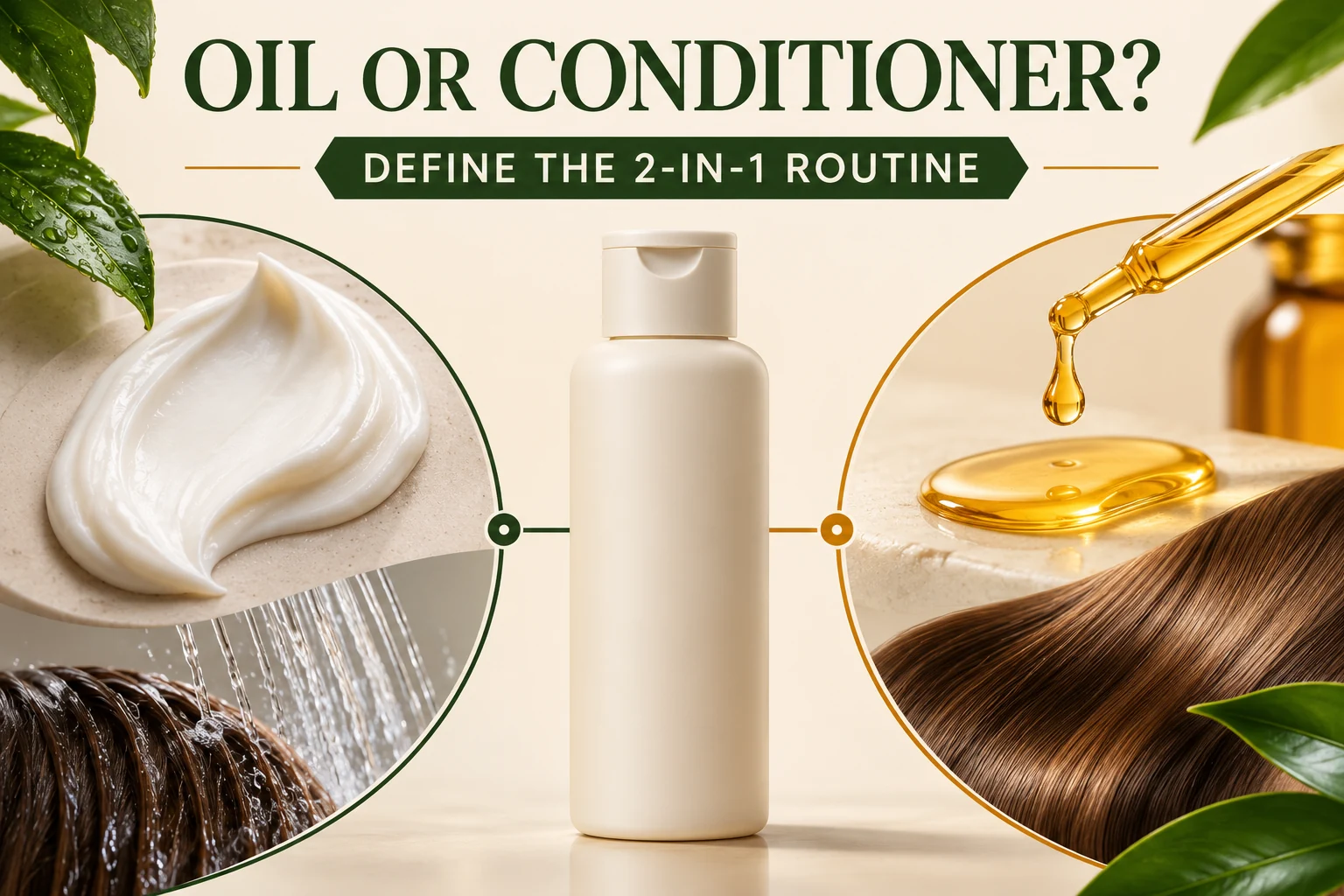
In this guide
A private-label buyer should define the intended routine before treating “2-in-1 hair oil conditioner” as customer-ready positioning. Decide whether the project is a rinse-out conditioner, a leave-in oil or finishing product, or another supplier-confirmed hybrid. Then align formula, directions, package and copy to that role. The catalog page identifies a 120ml Batana oil conditioner, but it does not publish rinse status or a complete use sequence, so those details must be confirmed rather than inferred.
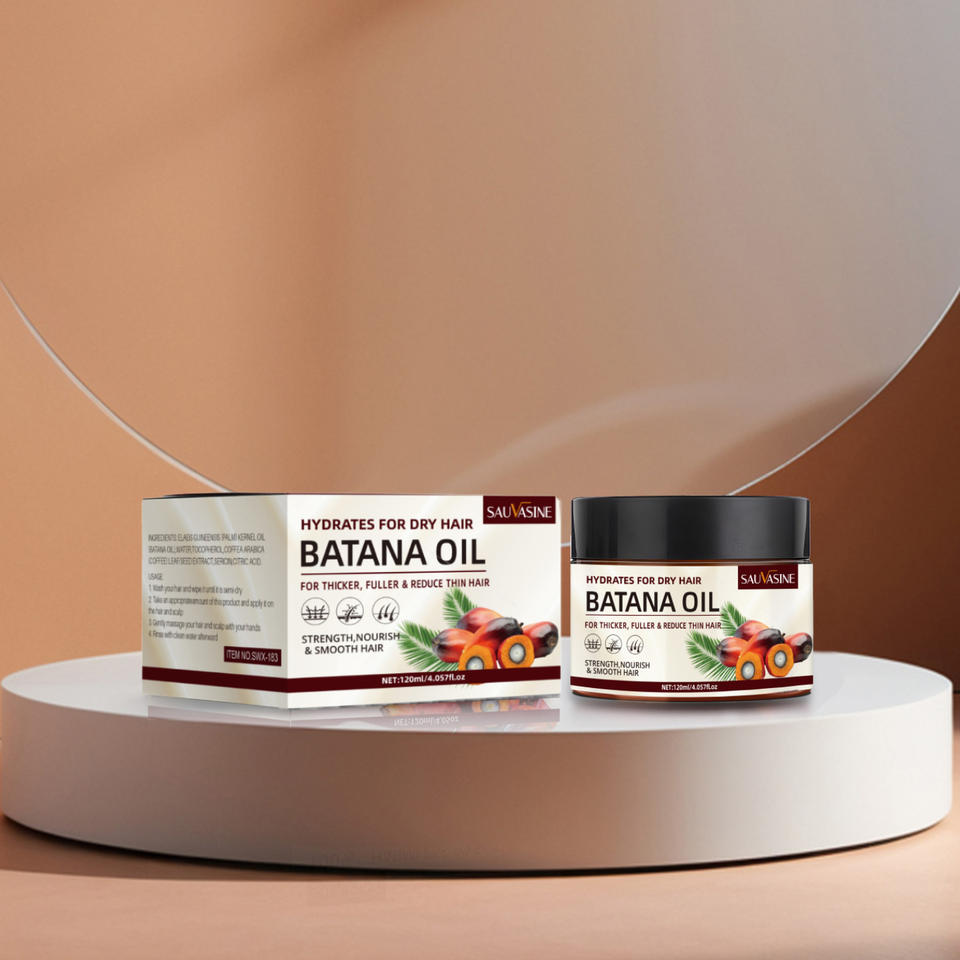
LANTHOME lists Batana Nourishing Hair Oil Conditioner, reference 1601387906322, model SWX-183, in a 120ml format. The page calls it a 2-in-1 hair-care format and describes nourishing, moisturizing and smoothing hair care. It also lists Private Label / OEM / ODM customization, with formula and packaging options discussed with the team. The page does not publish a complete INCI, ingredient percentages, viscosity, directions, rinse status, package specification, finished-product evidence or commercial terms.
That gap matters because “oil” and “conditioner” can create different expectations about texture, application, sequence and dispensing. The product title alone does not establish that the formula is an oil, an emulsion, a rinse-out conditioner, a leave-in product, or two products combined. This guide therefore treats the page as catalog evidence for identity, model, volume and listed care direction only. The final routine must be defined for the exact sample and configuration.
Product Facts and Confirmation Points
- Catalog identity: Batana Nourishing Hair Oil Conditioner, reference 1601387906322, model SWX-183.
- Listed format: 2-in-1 hair oil conditioner in a 120ml format. The page does not define what the two roles are.
- Listed care direction: Nourishing, moisturizing and smoothing hair care. These are catalog directions, not automatically approved finished-product claims.
- Routine gap: Rinse status, application area, hair condition, sequence, amount, frequency and contact time are not published.
- Formula gap: Complete INCI, ingredient order, percentages, texture and current formula specification are not published.
- Package gap: Final container, closure, dispensing system, materials, dimensions and decoration area are not published.
- Customization: Private Label / OEM / ODM options are listed, with formula and packaging discussed with the team.
- Commercial gap: MOQ, price, capacity and lead time are not published for a selected formula and package.
Create a routine-definition record before sample evaluation. Include the catalog reference, sample code, formula revision, intended user step, application method, rinse status, package component codes, target market and artwork revision. Use statuses such as catalog-stated, proposed, awaiting confirmation, supported, rejected and approved. A catalog phrase is not the same as an approved consumer instruction.
Which 2-in-1 Route Fits the Project?
Two planning routes can help a buyer expose missing decisions: a rinse-out conditioning route and a leave-in oil or finishing route. They are not claims supplied by the product page. They are controlled alternatives for discussion with the supplier. Do not combine both routes on artwork unless the exact finished formula and confirmed directions genuinely support both.
Route A: Rinse-Out Conditioning Route
- Primary role: A conditioning step used within a wash routine.
- Application question: Is it applied to lengths, ends or another supplier-defined area, and to what hair condition?
- Rinse question: Confirm whether rinsing is required, along with any supplier-defined contact time.
- Package question: Does the proposed 120ml closure suit the formula texture and the amount method?
- Evidence question: Which exact conditioning, nourishing, moisturizing or smoothing wording is supported for the finished formula?
- Main risk: Customers may interpret “hair oil” as a leave-in product even if the approved directions require rinsing.
This route needs particularly clear identity and directions. If the formula is confirmed as rinse-out, the front panel and instruction hierarchy should not invite indefinite leave-in use. Confirm how the oil-related story fits the product without changing its practical role. Ingredient expectations should not replace formula-specific directions or evidence.
Route B: Leave-In Oil or Finishing Route
- Primary role: A leave-in or finishing step after a supplier-confirmed point in the routine.
- Application question: Confirm application area, hair condition and the method for controlling amount.
- Rinse question: Confirm explicitly that the formula is intended to remain on hair under the stated use.
- Package question: Can the selected dispenser support a clear, repeatable instruction without unsupported precision claims?
- Evidence question: Which proposed finish or care statements are supported for the exact sample and directions?
- Main risk: The word “conditioner” may suggest a rinse-out step unless leave-in identity and instructions are unmistakable.
This route does not authorize drop counts, overnight use, scalp application, heat protection or styling claims. Those details are absent from the page. If the supplier confirms a leave-in role, evaluate the sample under the confirmed method and record observations neutrally. Do not convert a single internal observation into a broad performance promise.
How to Define the Routine Before Sampling
1. Freeze the catalog reference
Record reference 1601387906322, model SWX-183 and the 120ml listed format. Preserve “2-in-1 hair oil conditioner” as catalog wording while marking both intended roles undefined. This prevents a mood board, quote or draft label from becoming the accidental source of directions.
The decision is not whether the phrase sounds marketable. The decision is whether product, regulatory, design, sales and customer-service teams can explain the same two roles and the same use sequence. If they cannot, hold the phrase outside approved artwork.
2. Request the exact formula and sample identity
Ask for the current sample code, formula revision, specification, complete ingredient information and intended texture. Do not infer formula type from the title, product image or category. A named Batana direction does not establish INCI identity, percentage, origin or performance.
Link every observation and document to the exact sample. If the formula changes, reopen the routine decision, directions, package review and claims. Do not allow feedback from an earlier sample to travel silently into a later revision.
3. Ask the supplier to define both roles
Request one sentence for role one and one sentence for role two. Each sentence should identify the customer task rather than repeat similar benefits. “Nourishing” and “moisturizing,” for example, do not by themselves prove that the product performs two separate routine roles.
Ask whether “2-in-1” describes two format roles, two use moments, two care directions or another structure. If the answer depends on market copy rather than formula and directions, keep the phrase under review. A number should summarize a defined product architecture, not create it.
4. Confirm the complete use sequence
Request application area, hair condition, amount method, sequence, frequency, contact time if applicable, rinse status, storage and warnings. Avoid inventing pump counts, drop counts, overnight use or scalp directions. Product photography cannot supply an instruction.
Write the sequence as a user can follow it: what happens before application, what is applied where, what happens after application, and whether removal is required. If two roles have different sequences, show both without contradiction. If only one sequence is supported, question whether two roles are necessary.
5. Match package mechanics to the confirmed role
Request the proposed 120ml container, closure or dispenser, component materials, dimensions, decoration area and supplier codes. The catalog volume does not confirm a bottle, pump, cap, orifice or dispensing performance for the final private-label configuration.
Review the identified sample in the selected component. Record opening, closing, dispensing, product access, cleanup, label readability and component condition under the confirmed method. Do not turn observations into “leak-proof,” “mess-free,” “precise dose” or “travel-safe” claims without appropriate support.
6. Separate care direction from approved claims
The page lists nourishing, moisturizing and smoothing hair care. Put each proposed phrase into a claim matrix with exact wording, intended meaning, formula revision, directions, supporting record, limitations and approval owner. A catalog description is a prompt for review, not final substantiation.
Avoid adding repair, growth, treatment, anti-hair-loss, heat-protection or therapeutic wording. None of those claims is established by the page. If the project wants another statement, request the relevant finished-product evidence and applicable market review before artwork.
7. Evaluate the sample against the intended routine
Create a neutral observation sheet for the confirmed use method. Record sample identity, environment, amount method, application area, hair condition, handling, perceived texture during use, rinsing or leave-in behavior as applicable, and observations after the stated step. Distinguish observations from interpretations.
Internal sample review is not automatically consumer evidence. “One reviewer found the sample easy to spread under the stated method” is different from “spreads effortlessly on all hair types.” Keep the first as a scoped observation; do not promote it into the second without support.
8. Make the label resolve the ambiguity
At realistic label size, check whether product identity, role, directions, net content, ingredient declaration, warnings and traceability information as applicable remain readable. The phrase “2-in-1” should not occupy space that the customer needs to understand rinse status or sequence.
Run a comprehension check with reviewers who were not in the project meetings. Ask what the product is, when it is used, where it is applied, whether it is rinsed and what the two roles mean. Record disagreements. Revise the routine or hierarchy until the answers align with the approved brief.
9. Request commercial terms for one locked configuration
Only after defining formula, role, package, decoration, secondary packaging, directions and evidence requests should the buyer request current quantity, pricing and timing. A generic quote cannot resolve an undefined configuration, and changes to formula or components may alter the answer.
Ask for terms tied to SWX-183, the identified formula revision, 120ml fill, selected component codes, decoration and document scope. This article does not provide MOQ, price, capacity or lead time because the product page does not publish them.
10. Issue a routine decision and change rules
Use a clear decision: proceed, revise or hold. “Proceed” names the approved role and next controlled stage. “Revise” identifies the conflicting instruction or missing definition. “Hold” lists the documents or sample questions that remain open.
Define triggers for reopening review. A formula revision can change texture, directions and claim support. A closure change can change dispensing and instruction clarity. A target-market change can reopen wording and label requirements. An artwork edit must preserve the approved routine and must not create a new use implication.
Hypothetical Buyer Review
Consider a hypothetical brand that likes the “oil conditioner” name but has not selected rinse status. The team records SWX-183 and asks for the current formula, directions and package proposal. It prepares two briefs using the same comparison fields: intended role, application, rinse status, package, evidence and risk.
The rinse-out brief makes the wash-step role clear, but the draft artwork still emphasizes “oil” without explaining removal. The leave-in brief has a clear finishing role, but the team has no supplier-confirmed leave-in direction for the current sample. Neither route is approved. The team holds artwork, requests clarification and keeps the same identified sample rather than blending assumptions from both routes.
That is a useful outcome. It prevents ambiguous routine copy from reaching customers and gives the supplier a precise list of questions. This example is a planning scenario, not an actual customer case, test result, formula or commercial offer.
Buyer FAQ
Is SWX-183 a rinse-out conditioner?
The public page does not say. It identifies a 2-in-1 hair oil conditioner but does not publish rinse status or a complete use sequence. Confirm the intended routine for the exact formula and sample before writing directions or artwork.
Does “2-in-1” mean oil plus conditioner?
The title suggests those concepts, but the page does not define two roles. Ask the supplier to state both roles in operational terms and connect them to formula, directions and support. Do not assume that two nouns equal two approved functions.
Can nourishing, moisturizing and smoothing go on the label?
They are listed care directions, not automatic final claims. Review exact wording and finished-product support for the selected formula, directions, package and target market. Keep unsupported extensions out of artwork.
Can one formula have both rinse-out and leave-in directions?
Only if the supplier confirms both for the exact formula and the resulting instructions are coherent and supported. Do not add a second use path simply to justify “2-in-1.” Conflicting amount or rinse instructions create customer risk.
What should be settled before asking for a quote?
Define the sample and formula revision, intended routine, 120ml component, closure or dispenser, decoration, secondary pack, directions, evidence requests and target market. Then request current quantities, pricing and timing for that configuration.
What to Send in Your Inquiry
- Product identity: Reference 1601387906322 and model SWX-183.
- Routine question: Ask the supplier to define both roles behind “2-in-1.”
- Formula request: Ask for sample code, revision, specification and complete ingredient information.
- Directions: Request application area, hair condition, amount method, sequence, frequency, rinse status, storage and warnings.
- Package brief: Define the 120ml container, closure or dispenser, decoration and secondary pack.
- Claim review: List exact nourishing, moisturizing, smoothing and other proposed wording for support review.
- Market scope: State target market, language and sales channel so label review can be scoped.
- Commercial request: Ask for current quantities, price and timing for the locked configuration.
Send the identified brief through the LANTHOME contact form or organize a controlled sample through the sample request form. Review How It Works before selecting a private-label, semi-custom or custom pathway.
Related Links
- Batana Nourishing Hair Oil Conditioner — 120ml- Review the exact SWX-183 catalog reference used for this routine decision.
- Hair Oil Collection- Compare current references without assuming the same formula, directions or routine.
- Private Label Rice Water Conditioner: Build a Routine Brief- Use a conditioner-focused framework while keeping product evidence separate.
- Private Label Rice Water Leave-In Conditioner 30ml: Define the Role- Compare a leave-in role decision without transferring its directions to SWX-183.
- How It Works- Review private-label, semi-custom and custom pathways.
- Request Haircare Samples- Request the identified formula and package proposal for controlled review.
- Contact LANTHOME- Send the routine, formula, directions, package and commercial questions.