
In this guide
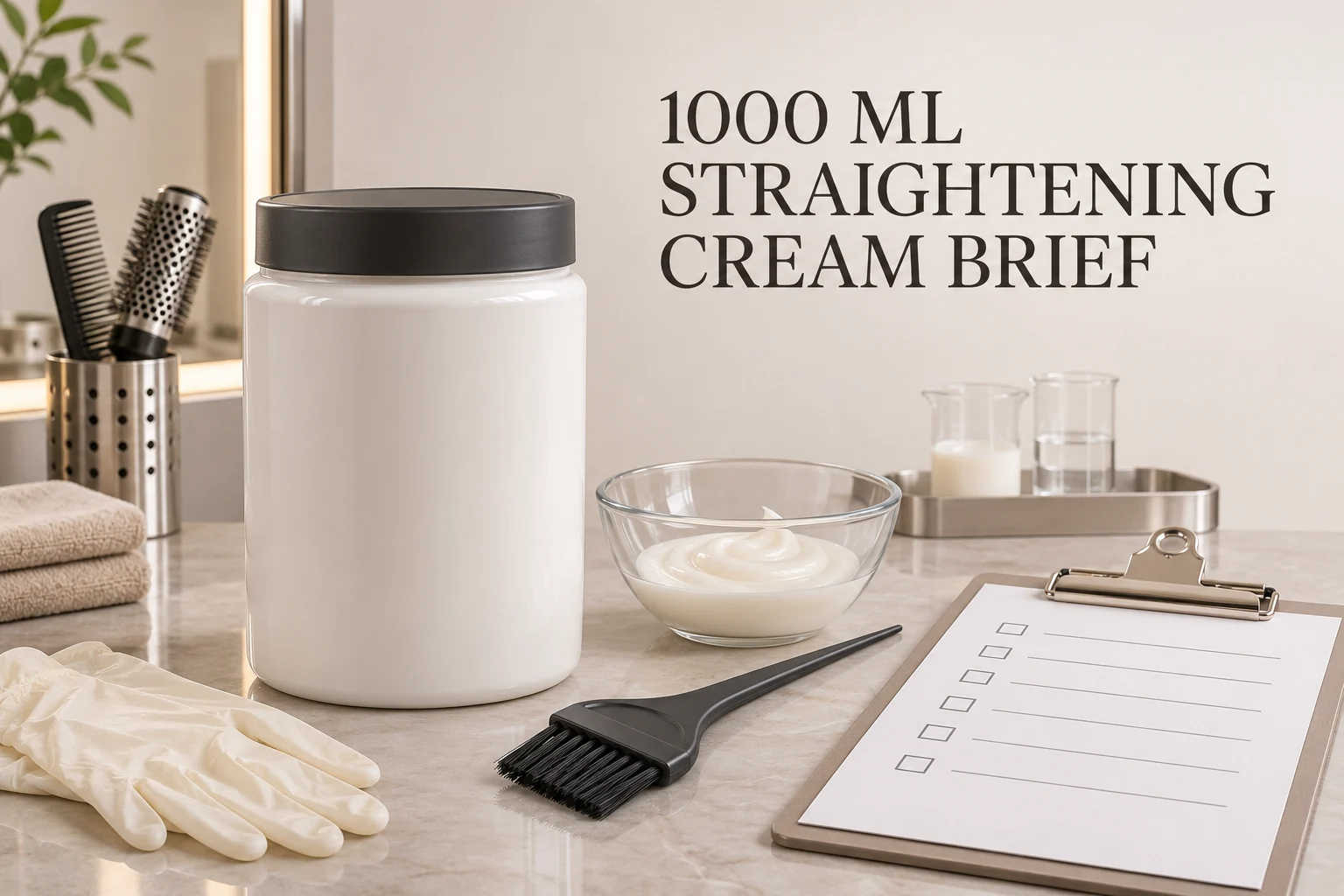
Before requesting a 1000ml hair straightening cream sample, a private-label buyer should define who will apply it, the exact service sequence to be evaluated, how the bulk container will be handled, and which observations will determine approval. The 1000ml size is a catalog fact, but it does not establish the formula, keratin identity, directions, processing conditions, safety information, professional-use suitability or performance. Those details must be connected to one identified sample and reviewed before artwork or use instructions are approved.
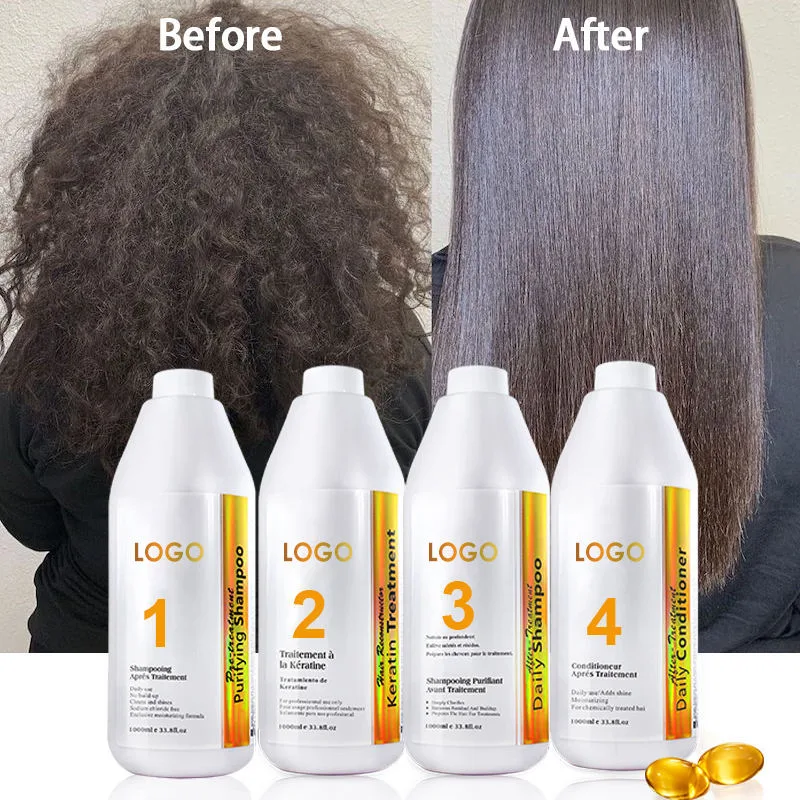
LANTHOME lists Keratin Hair Straightening Cream — 1000ml, reference 1600849210818 as a hair straightening cream format with Private Label / OEM / ODM customization. The current page does not specify a model. It asks buyers to review the selected sample, current ingredient information, application instructions and packaging before confirming a project specification. It does not publish a complete INCI, identify a keratin material, provide use directions, state processing time or temperature, define warnings, confirm professional-only positioning, or publish finished-product evidence, MOQ, price, capacity or lead time.
The buyer’s task is therefore workflow definition rather than result prediction. A useful brief links the formula revision, sample code, bulk package, controlled evaluation method and approved communication. This article shows how to build that record without converting the product name or pack size into unsupported claims.
Product Facts and Confirmation Points
- Catalog identity: LANTHOME Keratin Hair Straightening Cream — 1000ml, reference 1600849210818.
- Model: The current page states that a model is not specified.
- Format: Hair straightening cream.
- Listed size: 1000ml appears in the catalog name; confirm the actual proposed fill and package specification.
- Customization: Private Label / OEM / ODM is listed.
- Formula gap: Complete INCI, formula revision and the identity or presence of any keratin material are not published.
- Direction gap: Application amount, sectioning, sequence, processing conditions, rinse steps, finishing steps and removal instructions are not published.
- Safety gap: Warnings, protective measures, suitability limits and target-user classification require current applicable documentation and review.
- Package gap: Container, closure, liner, dispensing method, dimensions, materials and compatibility status require confirmation.
- Commercial gap: MOQ, price, capacity and lead time require a current quotation for the confirmed configuration.
Keep the first five rows as catalog facts and the remaining rows as open questions. The distinction matters because a 1000ml name describes a sourcing reference; it does not prove how the product should be used or what a finished service will achieve.
Which Sample Route Fits the Project?
The following routes organize the first evaluation. They do not assert that multiple sample sizes are available. Compare them using the same dimensions: purpose, identity control, package learning, evaluator requirements and release limit.
Route A: Evaluate the Proposed 1000ml Configuration
- Purpose: Review the same nominal fill and bulk-package concept named on the page.
- Identity control: Require the formula revision, sample code, fill and component codes to appear on one record.
- Package learning: Observe opening, closing, product access, contamination controls, residue around the closure and handling during repeated use.
- Evaluator requirements: Use a qualified evaluator following supplier-provided directions and applicable project safety controls.
- Release limit: Do not infer consumer directions, service yield or performance from container size.
This route provides the closest package-handling context if the supplier confirms that the 1000ml configuration is current and sampleable. It can require more product and more controlled handling, so the team should agree on evaluation purpose before requesting it. The route remains a sample review, not permission to publish results or directions.
Route B: Request an Identified Evaluation Quantity
- Purpose: Review formula handling and the proposed sequence before committing to the full bulk configuration.
- Identity control: Require written confirmation that the evaluation quantity uses the same formula revision as the proposed 1000ml configuration.
- Package learning: Treat the temporary sample container as nonrepresentative unless it matches the proposed production components.
- Evaluator requirements: Use the same qualified evaluator, directions and observation form planned for the bulk review.
- Release limit: Do not approve final packaging, dispensing or artwork from a temporary sample container.
This route is valid only if the supplier confirms an evaluation quantity and its identity. A smaller jar or pouch can help the team review formula handling, but it cannot demonstrate how the 1000ml package will behave. Record both the formula relationship and the package limitation.
How to Define the 1000ml Use Workflow
1. Identify the intended operating environment
State whether the project is being evaluated for a controlled professional service, another supervised setting or a different intended use proposed by the supplier. Do not infer “professional use” only from the 1000ml size. Ask the supplier to confirm the intended user classification and the directions associated with the exact formula.
Record the target country, service channel, language and responsible evaluator. These fields shape label review, training needs and the questions that must be answered. If the intended environment is unresolved, keep the project on hold rather than writing a generic application sequence.
2. Lock the sample identity
Create a configuration ID containing reference 1600849210818, formula revision, sample code, nominal fill, container code, closure code and check date. Because the page does not specify a model, do not invent one. Use the product reference and supplier-confirmed revision to distinguish samples.
Photograph received labels and record discrepancies. A sample without a traceable revision should not be used to approve directions or artwork. If the supplier replaces a formula, create a new revision rather than overwriting the previous result.
3. Obtain current ingredient and safety information
Request the complete INCI, product specification and applicable safety documentation for the exact sample. “Keratin” in the catalog name does not identify an ingredient, concentration, origin or finished-product effect. The brand should not build a keratin claim until the formula and evidence have been reviewed.
Ask the responsible technical and regulatory reviewers what additional information is needed for the target market and use setting. Keep ingredient identity, hazard communication, finished-product evidence and marketing copy as separate review fields.
4. Map the supplier-provided sequence
Request current written directions covering preparation, hair assessment, sectioning, application area, amount method, sequence, processing conditions, rinse or removal, finishing steps, aftercare, storage and disposal. Do not supply missing time, temperature, distance or quantity values from general experience.
Convert the confirmed directions into a controlled observation sheet. Each step should identify the input, permitted range if provided, responsible person and completion record. The sheet supports repeatability; it does not replace the supplier’s official directions.
5. Define stop conditions before evaluation
Ask for current warnings, contraindications or suitability limits and have the responsible reviewer translate them into project stop conditions. Evaluators should know when not to proceed and how to document an interrupted review. Do not improvise medical advice or suitability decisions.
Record whether protective equipment, ventilation, patch or strand assessment, or other controls are specified in the applicable documents. If those documents are absent or unclear, pause and request clarification. Safety cannot be reverse-engineered from the product name.
6. Plan bulk-container handling
For a 1000ml configuration, define how product will be accessed without contaminating the remaining contents, how the closure will be cleaned, where the container will be stored and how use will be logged. Ask for component materials, liner, opening dimensions and dispensing proposal.
These are workflow questions, not claims about the current package. If a temporary sample container is supplied, mark package observations as not applicable to the proposed 1000ml component. Final component approval requires the actual configuration and applicable compatibility evidence.
7. Use a controlled evaluation record
Record sample identity, evaluator, date, environmental conditions, hair or test substrate description as appropriate, amount method, step completion and deviations. Useful observations may include product pickup, spread, section control, odor perception, drip or transfer, rinse or removal experience, finish impression and cleanup effort.
Keep observations descriptive. Do not transform one internal impression into a numerical performance claim or customer promise. If the team compares revisions, use the same method and identify every deviation that could affect interpretation.
8. Separate service design from retail communication
An internal service sheet can contain operational detail for trained evaluators. A public label, website or sales sheet has different purposes and requirements. Do not paste an internal sequence into consumer-facing copy without review.
Create a communication matrix with exact wording, audience, placement, evidence, formula revision and status. Mark every result statement, keratin reference, duration statement and suitability phrase as pending until the responsible reviewer approves it for the target market.
9. Reconcile package, directions and artwork
Before release, compare the formula record, sample label, 1000ml component drawing, directions, warnings, artwork and product page. Reference, revision, fill and component identity should agree. Check whether the chosen container makes the confirmed use method practical and controlled.
Any mismatch returns the configuration to clarification. For example, a direction that assumes dispensing equipment cannot be approved with a wide-mouth package unless the project defines a compatible access method. Document the resolution rather than relying on verbal memory.
10. Issue a proceed, revise or hold decision
“Proceed” identifies the exact formula, package, directions, evidence and next stage. “Revise” identifies the field that must change. “Hold” lists missing documents or unresolved safety, workflow or package questions. Include approver and date.
Set reopening triggers: formula change, raw-material change, component change, fill change, direction change, new target market, new user classification or new public claim. A workflow remains approved only while its linked configuration stays unchanged.
What the 1000ml Size Does and Does Not Decide
The listed size can guide package-handling questions, storage planning and sample-request specificity. It does not state how many services the container provides because application amount and service design are not published. It does not establish a salon channel, professional-only restriction, formula strength or processing method.
For range planning, compare the 1000ml reference with verified alternatives only after each configuration is documented. The Private Label Protein Hair Mask sample evaluation guide illustrates how to keep sample observations tied to one formula and pack, but its directions and findings cannot be transferred to this straightening cream.
Hypothetical Buyer Review
Consider a hypothetical buyer who requests “one keratin cream sample” and receives an unmarked jar. The team evaluates spread and finish but has no formula revision, directions or package identity. The designer then uses “1000ml professional keratin treatment” on artwork, although neither professional positioning nor the ingredient wording has been confirmed.
The correct response is to pause. The buyer asks the supplier to identify the sample, provide current documents and connect the proposed 1000ml component to the formula. The team repeats the review with a controlled sequence and keeps all public wording pending. This scenario is a planning example, not an actual customer case, formula, test result, service outcome or commercial offer.
Buyer FAQ
Does 1000ml prove that the product is for professional salon use?
No. The catalog name states 1000ml, but the page does not define the intended user classification or channel. Ask the supplier to confirm the intended use and current directions for the exact formula, then have the responsible reviewer assess labeling and training needs for each target market.
Does “keratin” confirm the ingredient list or a straightening result?
No. The name does not publish a complete INCI, identify a keratin material, state its level or provide finished-product evidence. Request current formula documents and evaluate any ingredient or performance wording separately before it appears on artwork, a product page or a sales sheet.
Can a smaller sample approve the final 1000ml package?
Not unless the smaller sample uses the final components, which would need explicit confirmation. It may support formula-handling observations when its revision is linked to the proposed bulk formula, but package access, closure behavior, storage and compatibility must be reviewed with the actual 1000ml configuration.
How many services should a buyer expect from 1000ml?
The page does not provide an application amount or service yield, so a reliable number cannot be calculated. Obtain the confirmed use method, then record actual controlled usage during evaluation. Do not publish a yield until the method, evidence and wording have been reviewed for the intended context.
What must match before artwork approval?
The product reference, formula revision, fill, component codes, complete ingredient declaration, directions, warnings and approved communication matrix should describe the same configuration. If the user classification, package or formula changes, reopen the relevant reviews before releasing revised artwork.
What to Send in Your Inquiry
- Product reference 1600849210818 and the 1000ml catalog identity.
- Target country, channel, label language and intended operating environment.
- Request for complete INCI, formula revision, specification and applicable safety documentation.
- Request for current directions, warnings and intended-user classification.
- Desired evaluation quantity, with confirmation of its relationship to the proposed 1000ml formula.
- Proposed 1000ml container, closure, materials, access method and secondary pack.
- Evaluator role, controlled observation criteria and documentation needs.
- Proposed public wording for evidence and market review.
- Request for current quantities, pricing and timing for the confirmed configuration.
Send the workflow brief through the LANTHOME contact form or use the sample request form to request an identified configuration. Review How It Works before choosing a development pathway.
Related Links
- Keratin Hair Straightening Cream — 1000ml - Review the exact product reference and its published confirmation points.
- Hair Styling Collection - Compare styling formats without transferring formula or direction facts.
- Private Label Protein Hair Mask: A Sample Evaluation Guide - Review a structured sample-record approach for another product format.
- Private Label Keratin Collagen Cream: Jar or Tube? - Consider package evaluation questions without assuming the same formula or use method.
- How It Works - Review private-label, semi-custom and custom pathways.
- Request Haircare Samples - Request an identified sample and package configuration.
- Contact LANTHOME - Send formula, workflow, package and commercial questions.